
Last updated November 25, 2026
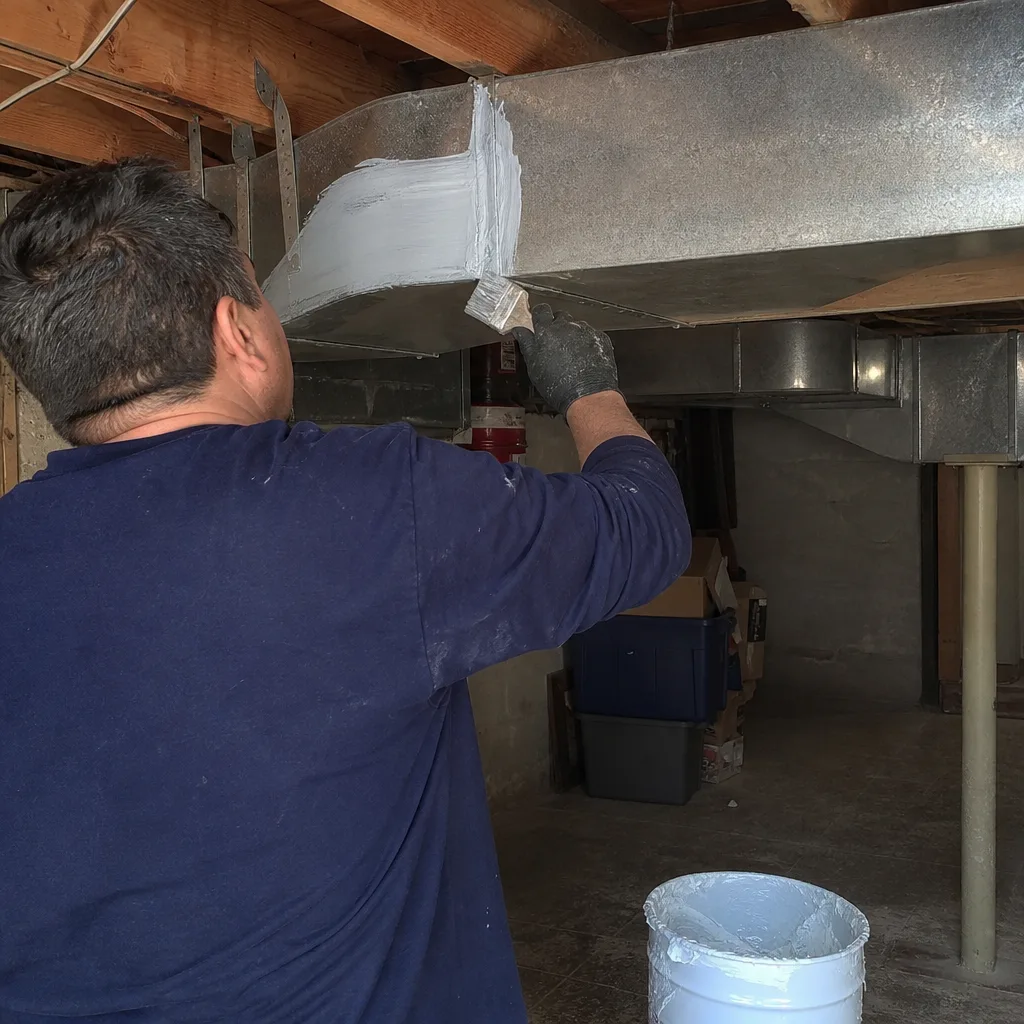
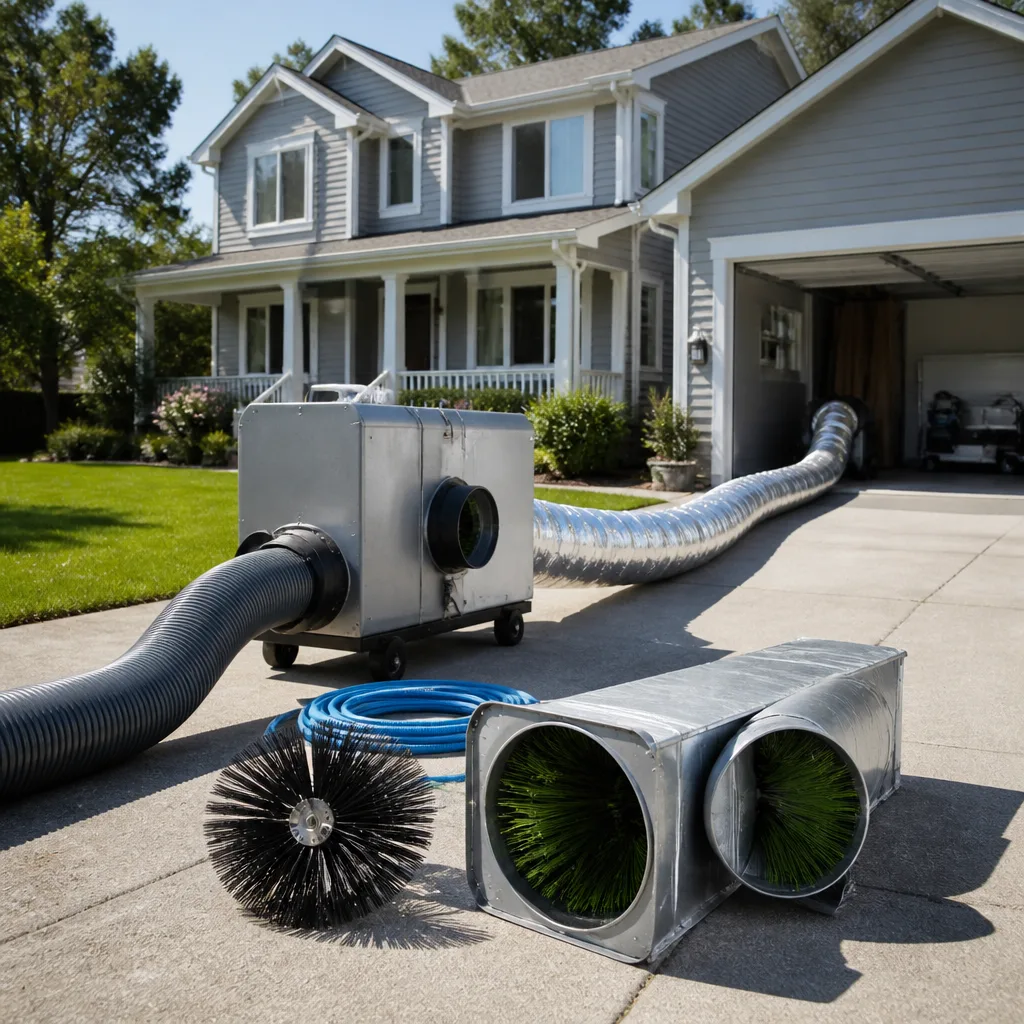 Whole-home duct cleaning
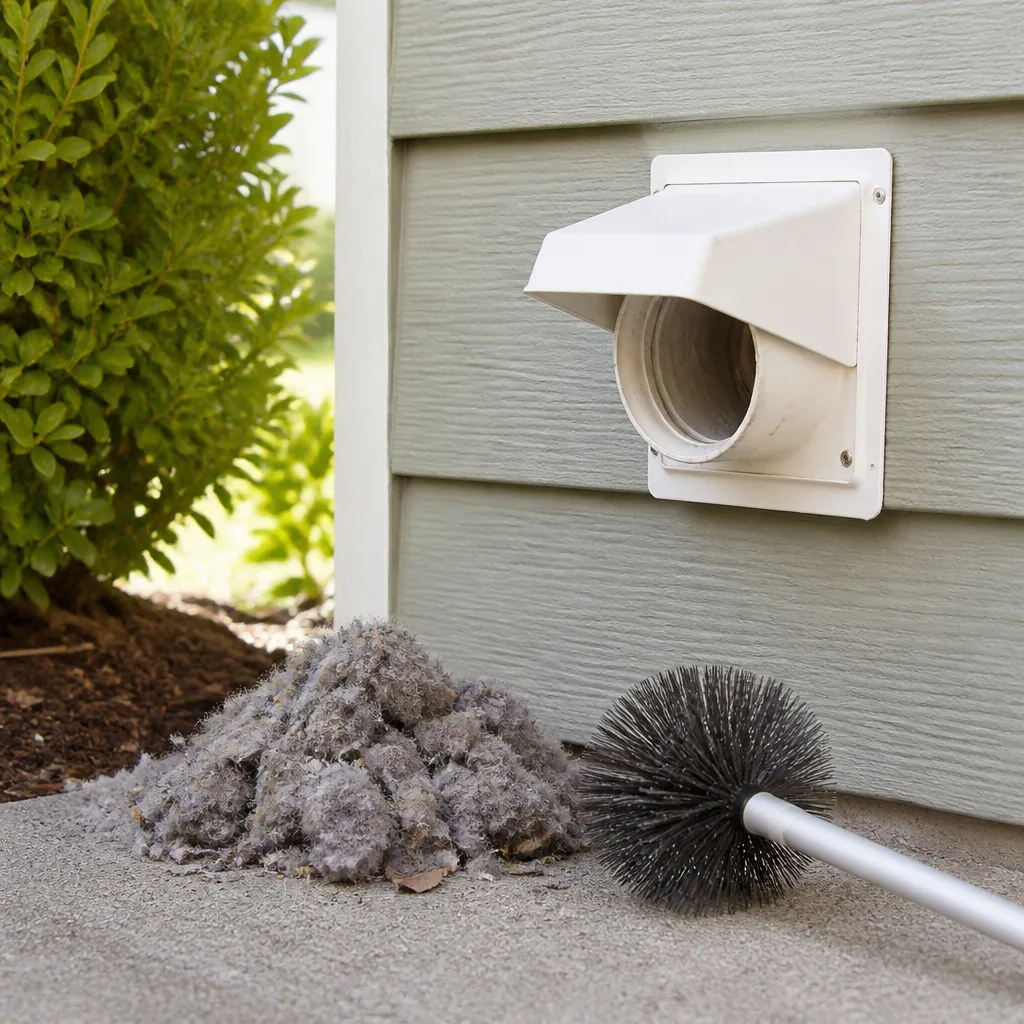 Dryer vent cleaning
 Camera inspection
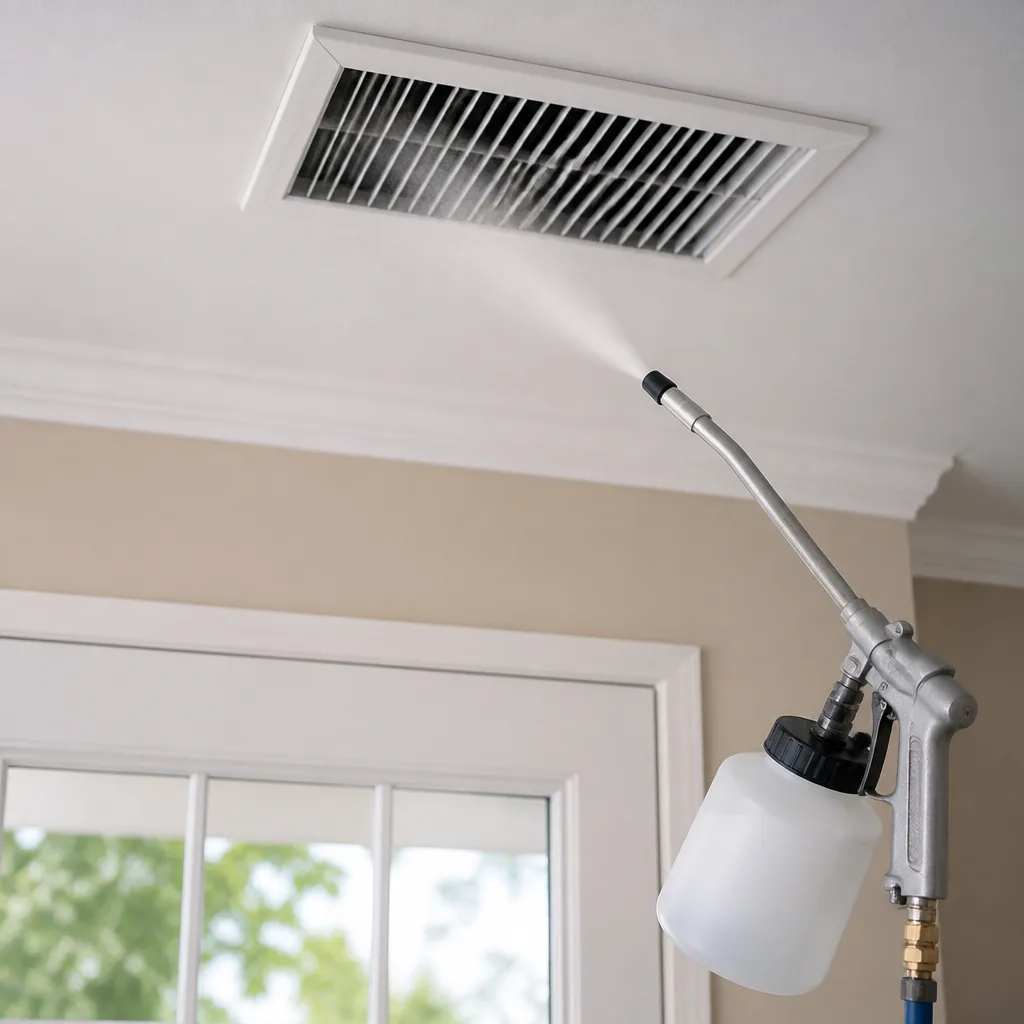 Sanitizing & deodorizing
Whole-system duct and dryer vent check with before-and-after photos - you see exactly what came out of your vents
That "$99 whole-house special" is a bait ad - the real number appears once they are in your hallway, or the "clean" is a shop-vac at the register. We photograph the inside of your ducts before and after instead.
Air Duct Cleaning Permits, Codes & Inspections in Floral Park, CA: What You Need to Know
No permit is needed to clean your ducts. Cleaning is maintenance, and California treats it that way. But the moment a technician says he’s going to cut an access panel into a trunk line or reseal a disconnected section, the legal picture changes. You’ve gone from maintenance to a mechanical alteration, and a mechanical alteration can require a permit from your local building department. A lot of Floral Park homeowners don’t know where that line sits, so they authorize work without asking a single question about permits. This guide walks through where the line is, what Title 24 and the mechanical code actually say, how duct sealing interacts with energy-code testing, and what to ask before anyone touches your ductwork.
Quick Answer
Routine air duct cleaning in Floral Park, CA does not require a building permit. Cutting into, adding to, or reconfiguring ductwork is a mechanical alteration, and in most California jurisdictions that work requires a mechanical permit from the local building department before it begins. Sealing and repair that stays within the existing duct layout usually doesn’t trigger a permit, but it can fall under Title 24 energy-code verification, including HERS testing on altered duct systems. Written confirmation from your contractor about which permit path applies is the single most useful thing you can get before work starts.
Styles & brands we work with
- Whole-home duct cleaning
- Dryer vent cleaning
- Camera inspection
- Sanitizing & deodorizing
Table of Contents
- Cleaning vs. modification: where the permit line sits
- What California Title 24 and the mechanical code say about ductwork
- Scope of work that triggers a mechanical permit
- Duct sealing, mastic, and HERS testing under the energy code
- What “inspection” means for ducts
- Questions to ask before you authorize duct repair
- Why this matters at resale
- Common mistakes to avoid
Cleaning vs. modification: where the permit line sits
Cleaning removes debris from the inside of ductwork that already exists. The duct stays where it is, connected the way it was, and its shape doesn’t change. In the eyes of a building department, nothing in the mechanical system has been altered. That’s why a standard duct cleaning in Floral Park, from a registered dryer vent sweep to a full supply-and-return cleaning, has no permit requirement attached to it.
Modification is different. A mechanical alteration is any change to the duct system’s configuration, capacity, or connectivity. The clearest examples:
- Cutting a new access panel opening into a trunk line or plenum box
- Replacing a span of flex duct with rigid duct, or the reverse
- Adding a branch run to serve a new room or a converted space
- Reconnecting a run that has come apart at a fitting
- Rerouting or resizing a section of the duct system
- Removing a section entirely and closing the system over that point
Notice what’s not on that list: cleaning, sanitizing, and repairing a joint that has separated with tape or mastic in place. Those are considered maintenance and repair within the existing system. Where things get ambiguous is the access panel. A technician who wants to reach a stubborn section of duct behind drywall or inside a soffit may need to cut a hole to get a rotary brush in. That hole is a physical change to the mechanical system. Whether it requires a permit depends on your jurisdiction’s thresholds, which is why we recommend that any Floral Park homeowner ask the question before the blade touches anything.
For reference on the cleaning side, our air duct cleaning work is built around reaching debris from the register openings and existing access points, using rotary brush systems that work through the ducts as they sit.
What California Title 24 and the mechanical code say about ductwork
California’s Title 24 energy code is the state’s building energy standard, and it has a great deal to say about ductwork. The mechanical code, which is adopted locally, governs how duct systems are assembled and altered. Together they set the rules for anyone touching ductwork in Floral Park, whether that’s a contractor in Burbank or a technician working in Burbank.
Title 24 requires that duct systems in new and altered construction meet certain insulation, leakage, and sealing standards. It also requires that in many cases, the work be verified by a third-party inspector from a HERS (Home Energy Rating System) provider. Duct systems in unconditioned attic spaces are the typical target, because they lose energy fastest there. That’s a factor in many Floral Park homes, where the attic sits directly above living space and duct runs often cross through it.
The mechanical code is where the permit requirement for alterations lives. Most California jurisdictions adopt the California Mechanical Code, which is based on the Uniform Mechanical Code, and each city then sets its own permitting thresholds and fee schedules. There is no single statewide rule that says “duct repair requires a permit.” What there is, is a framework: the code defines what constitutes an alteration, and the local building department decides how it enforces those definitions.
What that means practically for a Floral Park homeowner:
- Cleaning: no permit, no HERS test, no code interaction
- Sealing within the existing layout: typically no permit, but may trigger code review if the duct is in conditioned vs. unconditioned space and the work is part of a larger project
- Cutting, adding, rerouting, or reconnecting ductwork as part of a mechanical system change: permit likely, HERS verification possible
- Duct changes done as part of an HVAC replacement or remodel: the permit covers the whole mechanical project, and duct work is included
The point isn’t to frighten you away from duct repair. Duct repair is worth doing, and a lot of it is done legitimately without a permit. The point is that the scope of the work determines the legal path, and you should know which path you’re on.
Scope of work that triggers a mechanical permit
Every local jurisdiction in California writes its own permit rules, so the exact trigger points differ from city to city and county to county. But the categories are consistent enough to be useful. Here’s how we’d describe the scope tiers a Floral Park homeowner will typically encounter:
- Maintenance (no permit): Cleaning, sanitizing, replacing a filter, or re-taping a joint that has separated.
- Repair within the existing system (usually no permit): Sealing leaks with mastic or approved metal tape, replacing a flexible connector at the air handler, or fixing a section of duct that is loose but staying in its location.
- Alteration (permit likely): Anything that changes the system’s configuration, including new branch runs, duct resizing, removal of a run, or rerouting a duct path. This is the tier that triggers both the building department and, in some cases, HERS.
- Replacement or new installation (permit required): A duct system that is being installed as part of a new furnace, air handler, or major remodel. The permit is part of the mechanical package.
There’s a wrinkle a lot of people miss: cutting a service access panel for maintenance intended to inspect or clean the duct isn’t the same as cutting a duct to reroute it. Many jurisdictions treat maintenance access as within the repair tier, provided the panel is properly finished and sealed. Some are stricter. This is where a single phone call to your local building department can save you a headache later. Ask the permit counter, “If a contractor cuts an access panel into a supply trunk to clean or repair, does that need a mechanical permit?” You’ll get a straight answer, and you’ll know exactly what you’re authorizing.
For broader HVAC cleaning considerations that touch on duct access, our HVAC cleaning work gives us a lot of practice at the access question. We talk through the access route with the homeowner every time.
Duct sealing, mastic, and HERS testing under the energy code
Sealing is the work most likely to sit on the permit line without clearly crossing it. That’s because sealing is a repair, not a modification, unless it’s part of a larger mechanical project. But sealing is also the practice the energy code cares most about, since duct leakage in unconditioned space is one of the biggest energy losses in a California home.
Title 24’s duct sealing requirements are triggered when ductwork is “altered” in defined ways. A straight reseal of a leaking joint isn’t altered ductwork in most jurisdictions’ reading. But if you’re having ductwork replaced, extended, or moved, the sealing is part of the alteration and may require verification. The HERS rater verifies leakage and insulation on the affected portion of the system, and the final building inspector checks the mechanical work and often wants to see the HERS certificate before signing off.
Where homeowners get confused is the difference between mastic and duct tape:
- Mastic: A thick sealant applied to the joint, allowed to cure. This is the standard the energy code expects on duct joints in most applications.
- Approved metal tape (foil-backed): Acceptable on many joints, but how it is applied matters, and some local inspectors are picky about which joints it’s allowed on.
- Cloth or “duct” tape: Not rated for ductwork under the energy code and not accepted by most inspectors on any joint.
If a contractor is proposing to seal a disconnected section with cloth tape and call it good, that’s a red flag. Ask what product he’s using and whether the work will need inspection. For the record, our dryer vent cleaning work also touches on sealing at the exterior termination, and the same standard applies: proper materials, sealed gaps, clean penetrations.
The code-compliant approach to sealing, in general terms, is:
- Identify the leak location visually and, when the system is being altered or upgraded, with a leakage test.
- Seal with approved products (typically mastic at joints and plenums, foil-backed tape at approved locations).
- Finish the seal so it holds under the pressure and temperature swings of the system.
- For alterations, document the work and have it verified as required by the local jurisdiction.
What “inspection” means for ducts
Two very different things get called a “duct inspection,” and confusing them causes trouble.
Code-compliance inspection
This is the building department inspector. If a permit has been issued, the inspector reviews the mechanical work at defined stages and signs off when it meets the code. The inspector does not clean your ducts, and she doesn’t test your air quality. She checks that the alteration was done correctly and that any required HERS verification has happened.
Third-party air-quality inspection
This is an assessment of what’s in and around your ductwork: dust loading, mold or moisture presence, contamination at the air handler, and visible conditions at the registers. It is not a code-compliance function, and there is no permit involved. A lot of homeowners who ask us for an “inspection” are actually asking for this: “Should I have my ducts cleaned?” or “Is what I’m seeing at the vents normal?” Answering that question honestly, even when the answer is “you don’t need a cleaning yet,” is part of our job.
The two functions don’t overlap. A permit inspection will not tell you whether your ducts are dirty, and an air-quality assessment will not satisfy a building permit. If a contractor tells you he’ll “pass the inspection” as part of a cleaning, ask what inspection he means. In a straight cleaning, there is no inspection to pass.
Questions to ask before you authorize duct repair
This is the practical part. Before you say yes to any duct work beyond cleaning, get answers to these. A good contractor will have the answers ready.
- “Is this cleaning or is this a duct modification?” If he says it’s a repair, ask him to describe exactly what he’s going to cut, cap, or reconnect.
- “Will this work require a mechanical permit from my local building department?” If the contractor says no, ask him to confirm that in writing. If he says yes, ask whether his company will pull it or whether you’re responsible for pulling it (usually the contractor pulls it, but not always).
- “Will the alteration require HERS verification?” If the duct is being modified in unconditioned space, this may be required. A contractor who doesn’t know the answer may not be up to date on the state energy code.
- “What products will you use to seal the joints?” The answer should be mastic and/or approved metal tape, not cloth tape.
- “Can I see before-and-after photos of the duct I’m paying to have repaired or sealed?” This is standard practice for us. It should be standard for anyone.
- “Will the access panel be finished and sealed after you’re done?” An unsealed access opening is a leak, and in a Floral Park home with ducts in the attic it is also a source of attic dust pulled into the living space.
- “Does the estimate include any inspection or permit costs, and is the price per job or per linear foot?” Make sure the written estimate sets the whole price, not an hourly rate that grows as the work goes on.
Our technicians have up to 11 years of experience, and they’ve seen every version of this conversation. None of these questions are ever unwelcome. If anything, they make the job easier to scope correctly.
Why this matters at resale
An unpermitted mechanical alteration is a problem you inherit when you sell. Buyers’ inspectors flag missing permits, especially on duct and HVAC work, and a buyer’s lender may require proof that the mechanical work was permitted and inspected. If the alteration happened years ago and was never permitted, resolving it can mean a trip to the building department for a retroactive permit, an inspection of the work in place, and in some cases an additional sealing or repair to bring it up to current code.
That’s the argument for handling this correctly now, not just to be safe, but because it keeps your home’s records clean. A code-compliant duct repair with a proper permit, HERS verification where required, and final inspection is a documented improvement. Buyers like documented improvements. A duct system that was cut open and sealed back up without any record is just an unknown.
For a homeowner in Floral Park who is considering duct repair, the clean answer is: ask the questions in the previous section, get the scope and the permit path in writing, and keep the paperwork.
Common Mistakes to Avoid
- Assuming all duct work is permit-free because cleaning is. Cleaning isn’t permit work, but cutting a new access panel or rerouting a trunk line may be. One assumption doesn’t carry over to the other.
- Letting a contractor seal an alteration with cloth tape. Cloth tape fails quickly and doesn’t meet the energy code. If you see a contractor show up with a roll of it for duct joints, ask what he’s actually planning to use.
- Not asking how the access panel ends up. A hole cut for access needs to be finished and sealed. An unsealed opening at the plenum or in an attic-facing duct run becomes a leak and a dust pathway.
- Confusing a cleaning “inspection” with a code inspection. A permit inspection is not a duct cleaning, and a duct cleaning is not a permit inspection. Ask a contractor which one he’s offering.
- Hiring on the lowest quote without a written scope. A quote that doesn’t say what will be cleaned, sealed, or cut is a quote for something. The written estimate should name the work.
- Skipping the permit on a scope that clearly requires one. Keep the records. Future-you in Floral Park, sitting at the closing table, will appreciate it.
- Forgetting that duct problems often start outside the duct. A dirty register, a musty smell, or a dusty room can come from an unsealed return, a failing air handler gasket, or a detached flex run. Look at the whole air pathway, not just the cleaning.
See the difference
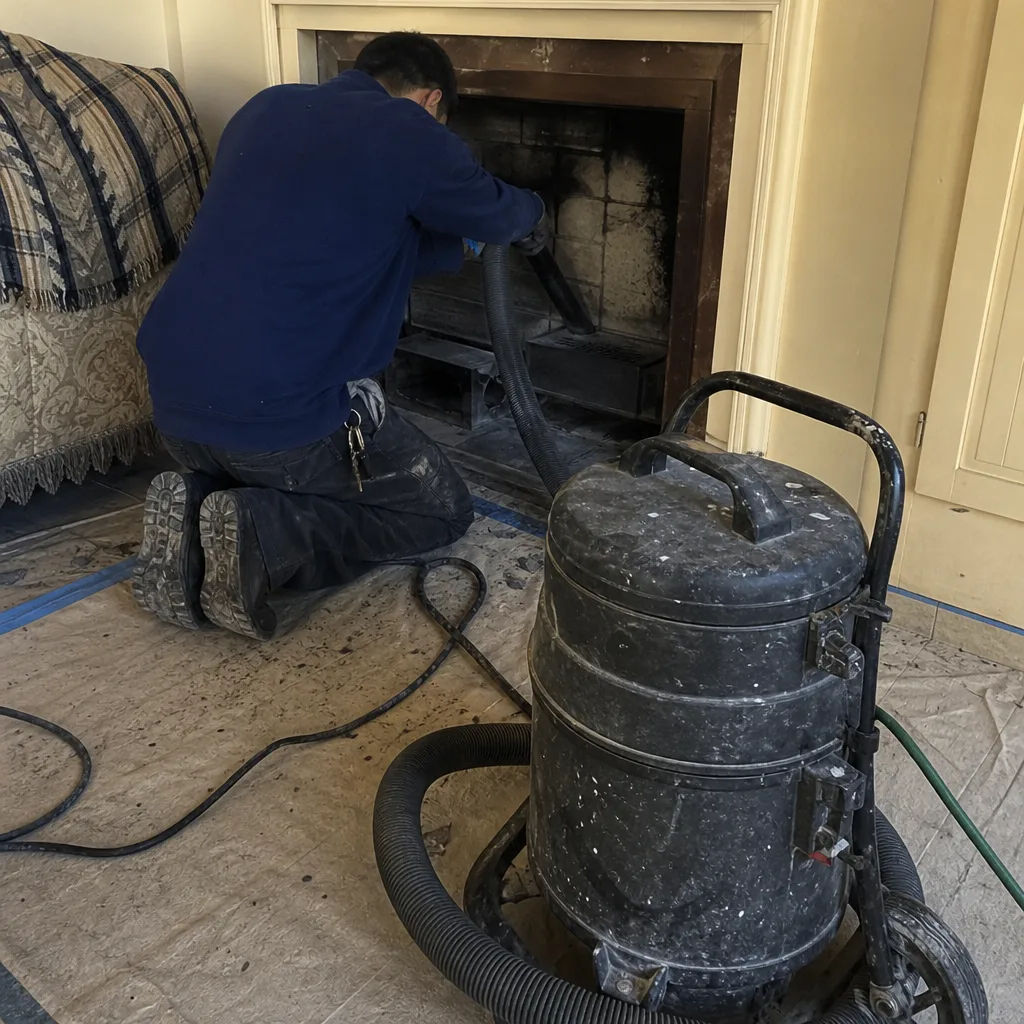 Before
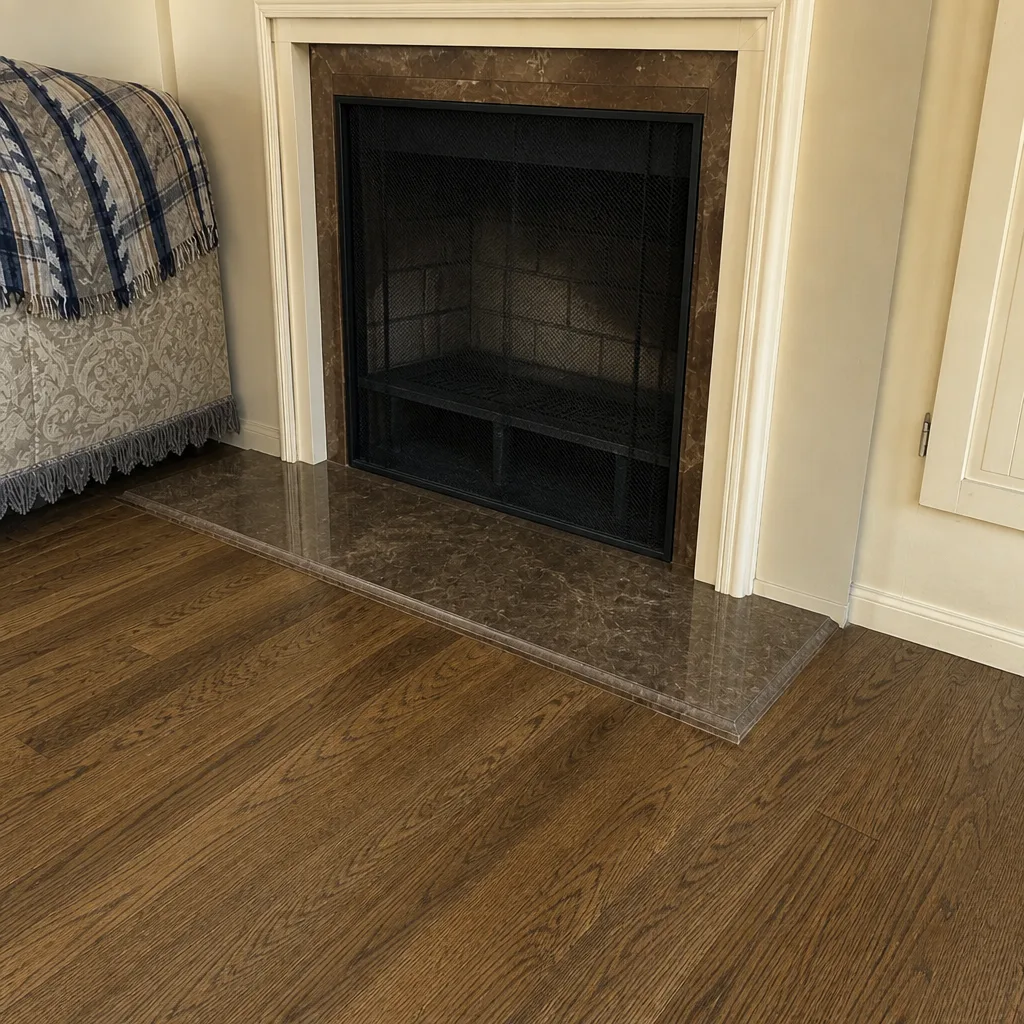 After
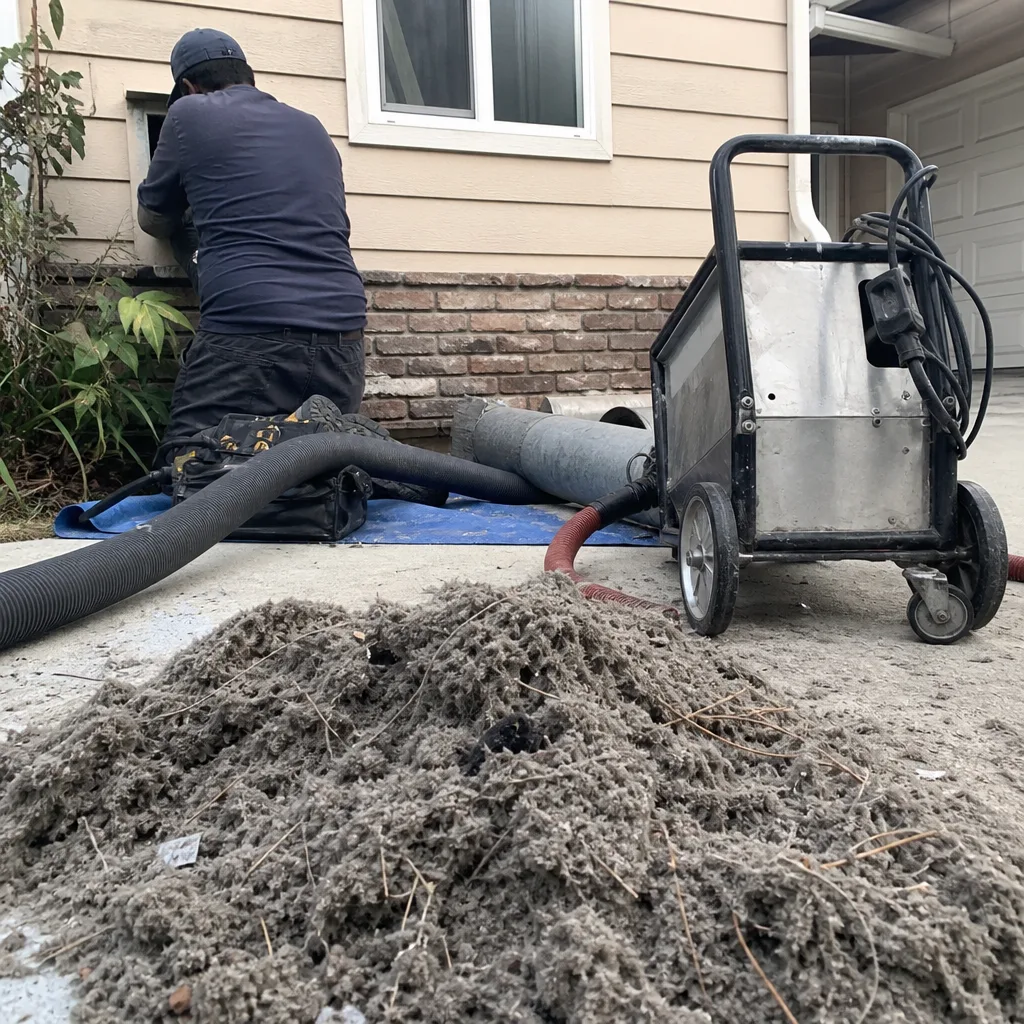 Before
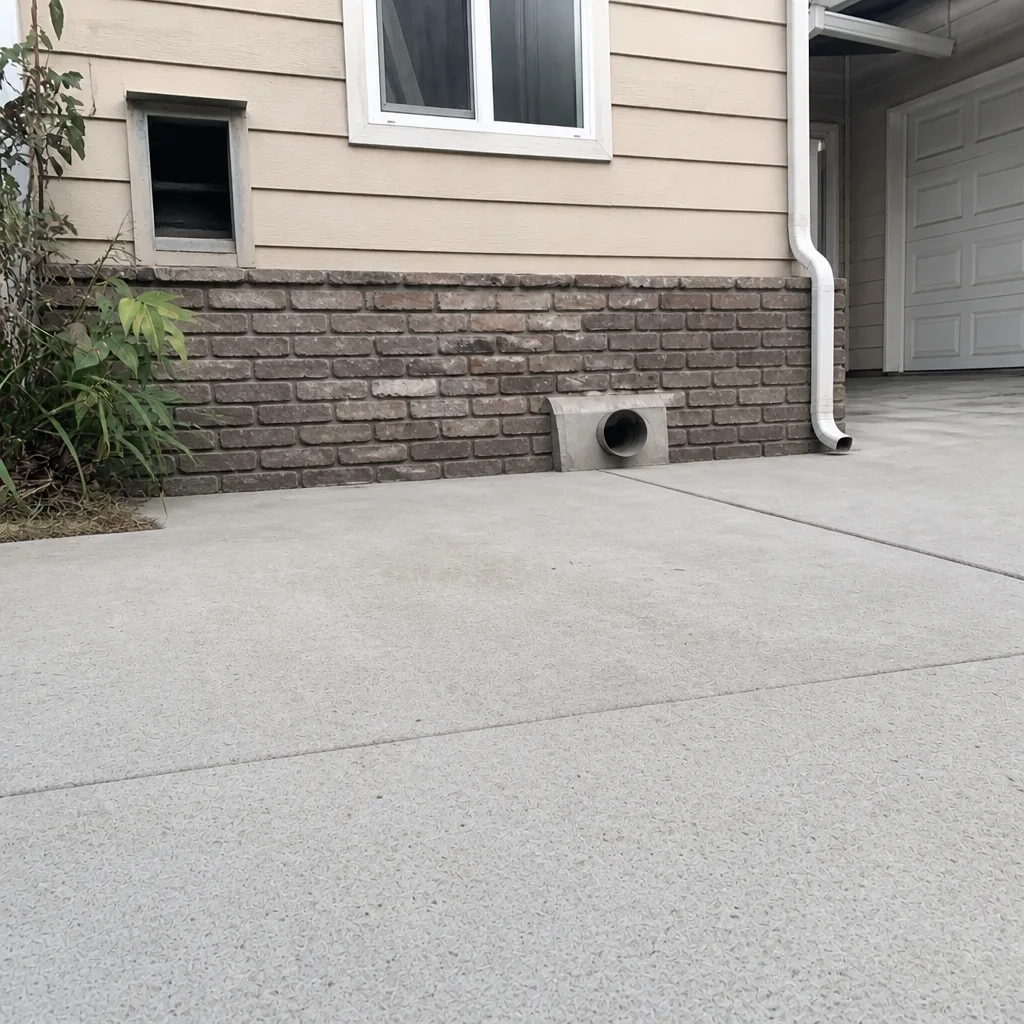 After
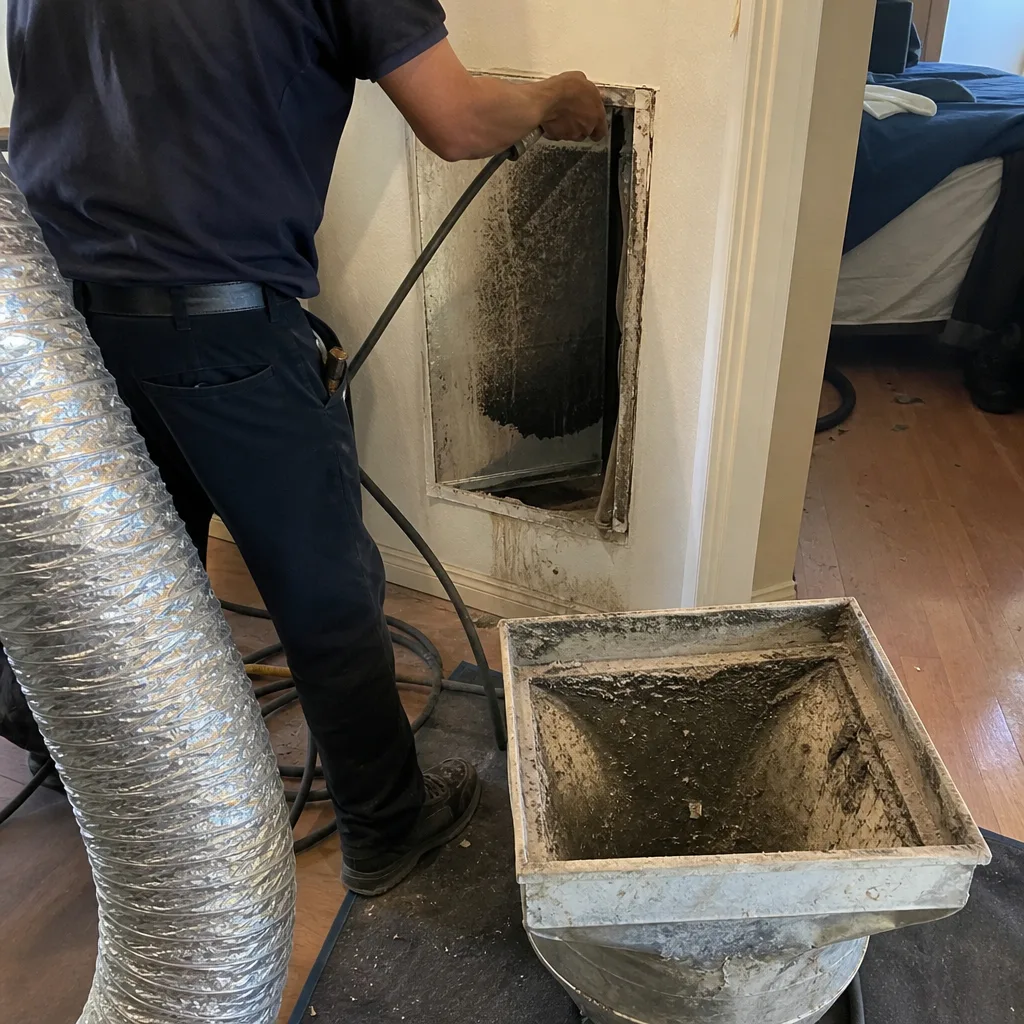 Before
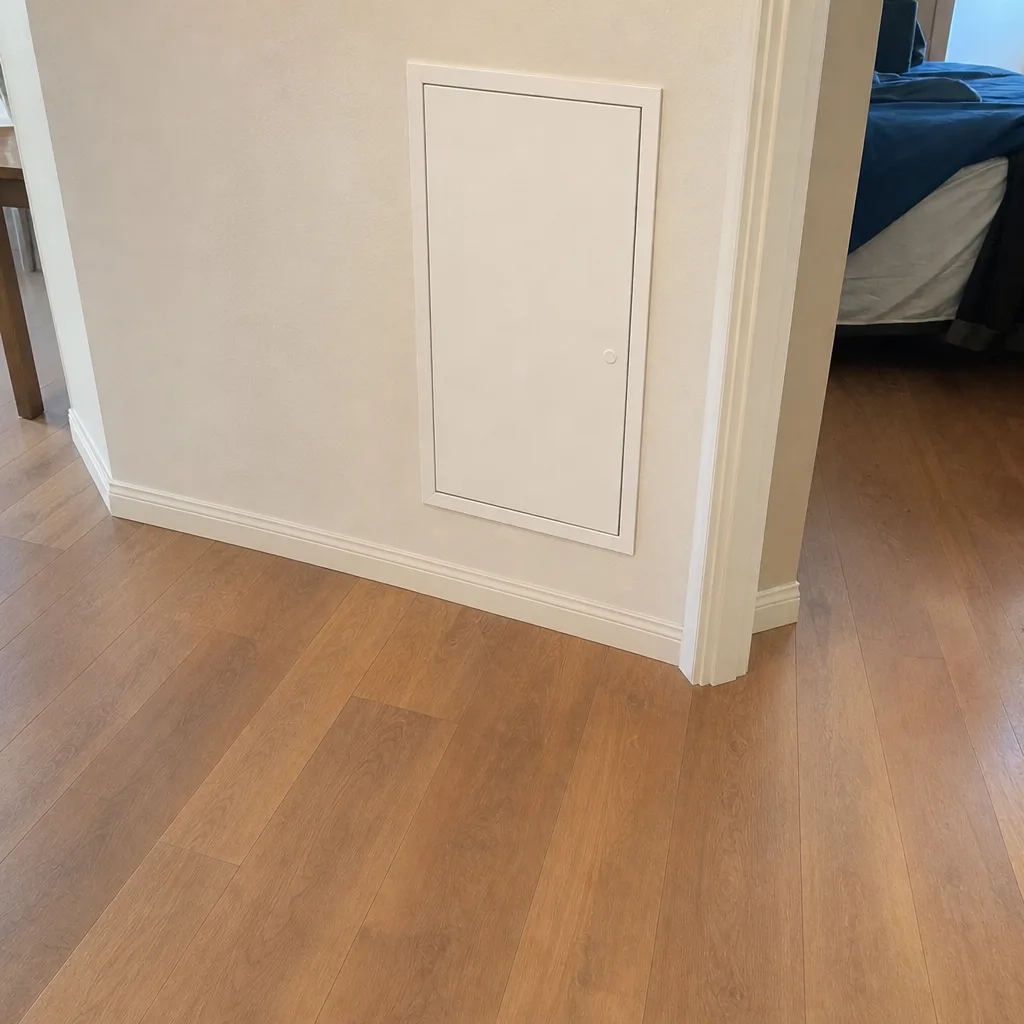 After
When to Call a Professional
Call when you’re not sure whether the duct work you’ve been quoted crosses the permit line. Call when a contractor proposes to cut into ductwork and you want a second set of eyes on the scope. Call when the ducts are visibly detached at a fitting, when you’re smelling attic air at a register, when a home inspector flagged the duct system during a sale, or when a recent HVAC replacement left duct connections that look suspect. Call when the system has never been cleaned and you want an honest assessment of whether it needs it. For a dryer vent that is lint-packed or routed too long, call before the dryer runs again. Floral Park Air Duct Cleaning offers free estimates in Floral Park. Call (833) 966-4423. We answer 24/7. Fast dispatch from 7am to 7pm, Sunday through Friday.
Frequently Asked Questions
No. Cleaning your ducts does not require a permit in Floral Park or in California generally. Cleaning is maintenance of the existing system, and the building department isn’t involved. If a contractor tells you he needs a permit for a standard cleaning, ask him what about the scope requires it. Call (833) 966-4423 for an estimate, and we’ll confirm the scope of your job before any work starts.
Cutting into, adding to, rerouting, resizing, or reconnecting ductwork as part of a mechanical alteration generally requires a mechanical permit from your local building department. The exact trigger points are set by each jurisdiction, so the answer that matters is the one your local building department gives. Ask your permit counter directly, and get the answer in writing from your contractor.
Sometimes. Straight sealing and repair within the existing duct system usually doesn’t require HERS verification because it’s not considered an alteration under the energy code. Duct sealing done as part of a larger mechanical project, such as a new air handler or a duct replacement, can require HERS verification. Your contractor should know which applies to your job. Call (833) 966-4423 and we’ll walk through the scope with you.
Two different things share the name. A code inspection is the building department checking that permitted mechanical work was performed correctly. An air-quality inspection is an assessment of the ducts themselves, looking for dust loading, moisture, mold, or contamination. Cleaning doesn’t require a permit and doesn’t involve a code inspection, so if a contractor tells you a cleaning will “pass inspection,” ask what inspection he means.
You shouldn’t. Cloth tape is not rated for duct joints and doesn’t meet the energy code; it dries out and fails within a few years. Mastic or approved metal-backed foil tape is what code-compliant duct sealing uses. If a contractor shows up with a roll of cloth tape, ask what he plans to do with it before you let him touch a joint.
It changes the energy code angle. Attic duct runs in unconditioned space are where duct leakage matters most, and that’s exactly where HERS verification tends to apply when ductwork is altered. If a contractor proposes duct work in the attic, ask about HERS. Also ask how the access panel will be sealed, because attic air at a register is a common complaint and a real one. Call (833) 966-4423 for a free estimate.
The Bottom Line
Clean your ducts; the law permits it without a permit. Repair or seal within the existing system; usually the same. Cut, add, or reroute; the permit conversation starts and you need to be in it. Title 24 and the mechanical code define what counts as an alteration, and each local jurisdiction enforces those definitions its own way. HERS verification is a real possibility on duct alterations in unconditioned space. A code inspection is not the same as an air-quality assessment, and you should know which one you’re getting. The whole game with duct work, in Floral Park or anywhere, is the scope. Know the scope before you authorize it.
Our Floral Park Air Duct Cleaning team specializes in the whole air pathway, from the register back to the air handler, and we work through the permit and scope questions with every homeowner before a single cut is made. You’ll get before-and-after photos, a written scope, and a flat price per system agreed before the work starts, so there’s no surprise invoice afterward. The local pro we connect you with is licensed and insured as the state requires. Our technicians have up to 11 years of experience and work with Rotobrush and Nikro equipment to reach duct sections other equipment can’t, plus Honeywell filtration integration to keep air quality up between visits. Call (833) 966-4423 for a free estimate. We answer 24/7. Fast dispatch from 7am to 7pm, Sunday through Friday.
Written by the team at Floral Park Air Duct Cleaning.