
Last updated November 25, 2026
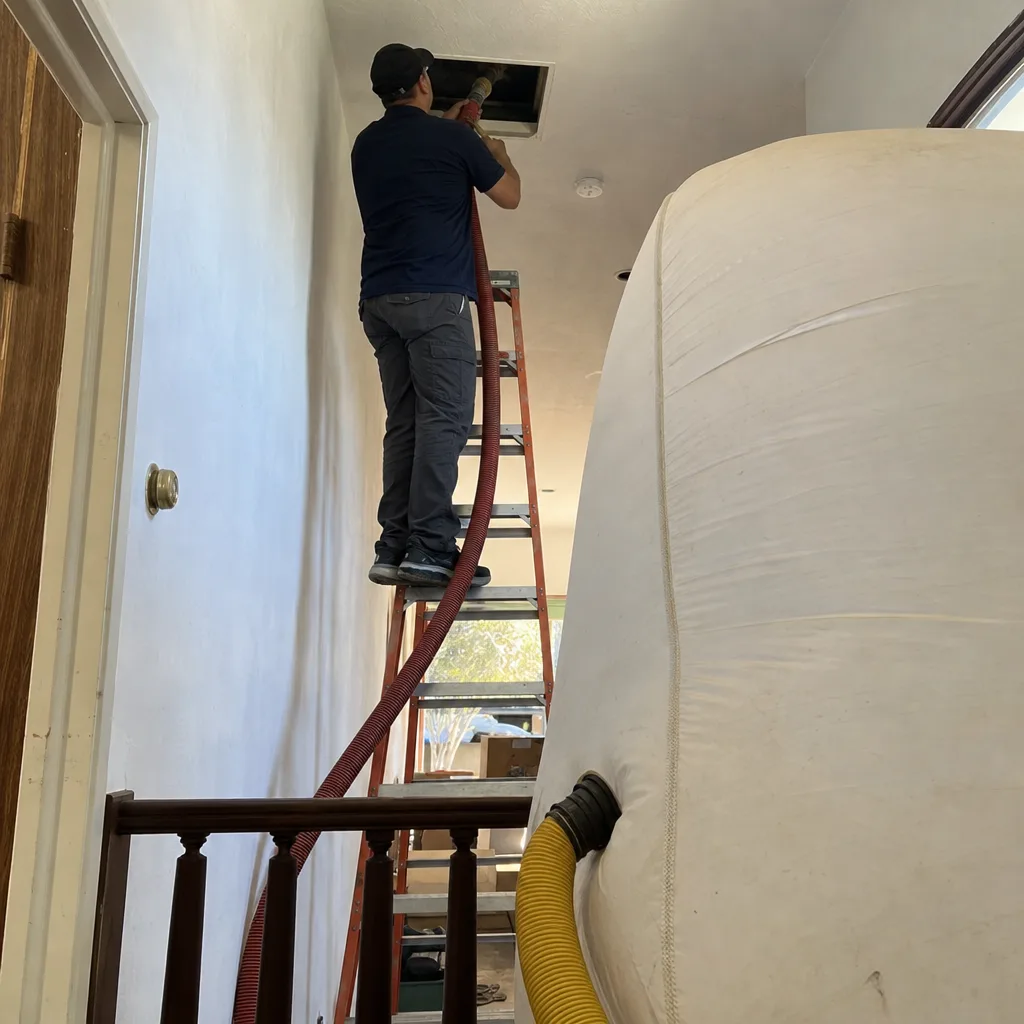
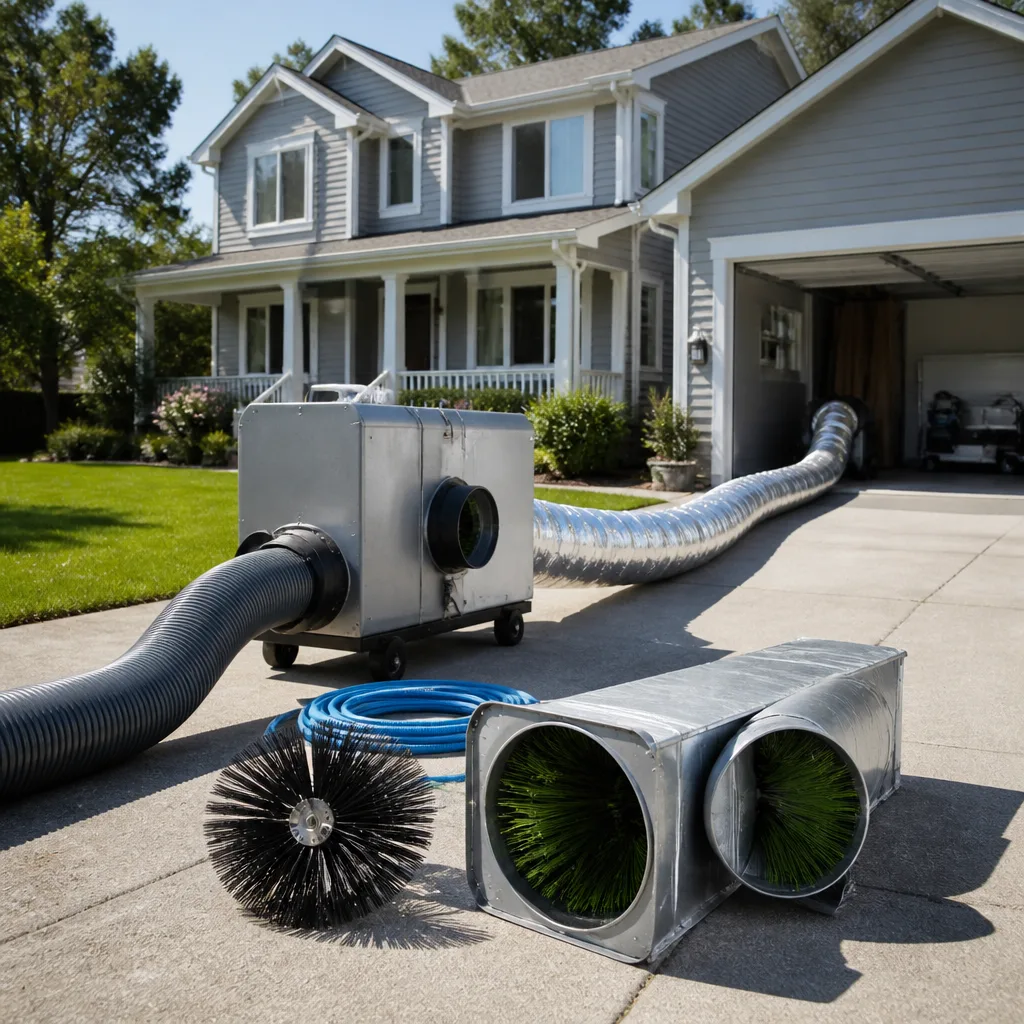 Whole-home duct cleaning
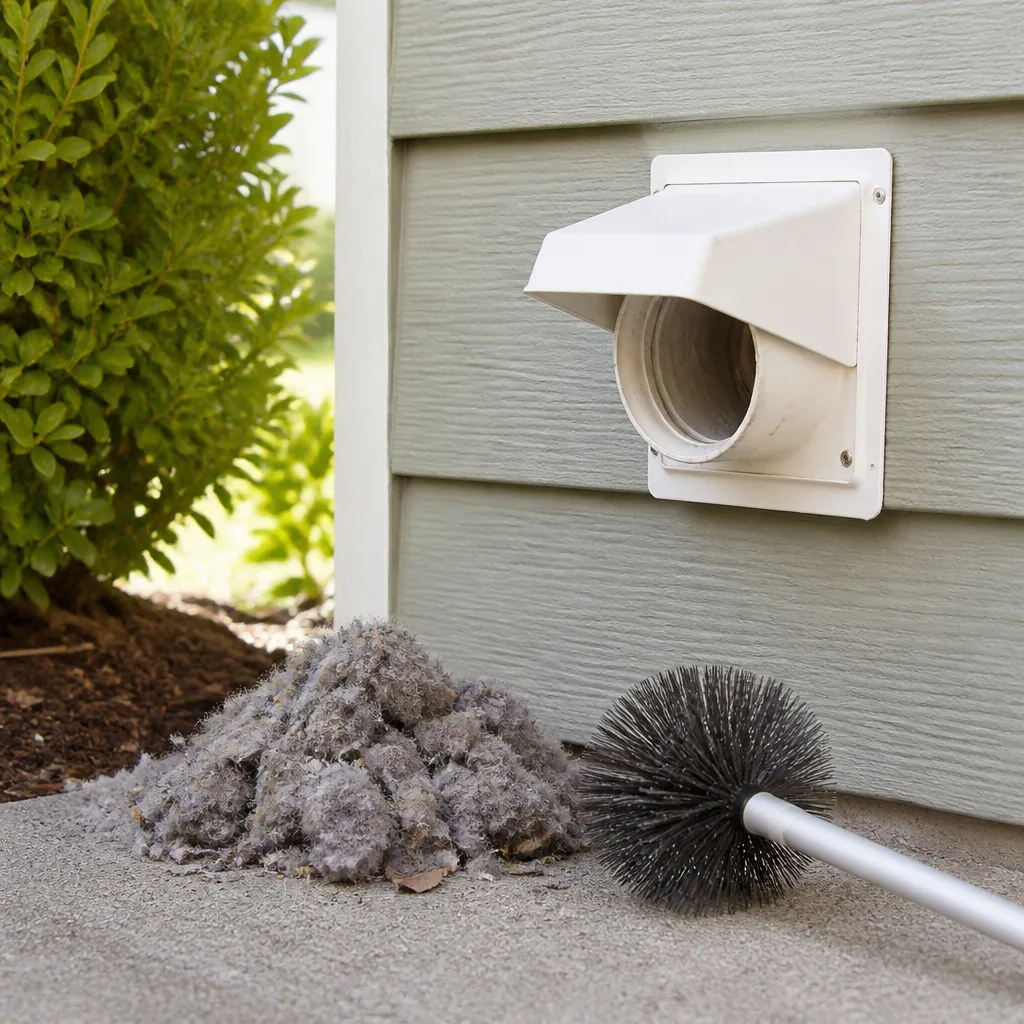 Dryer vent cleaning
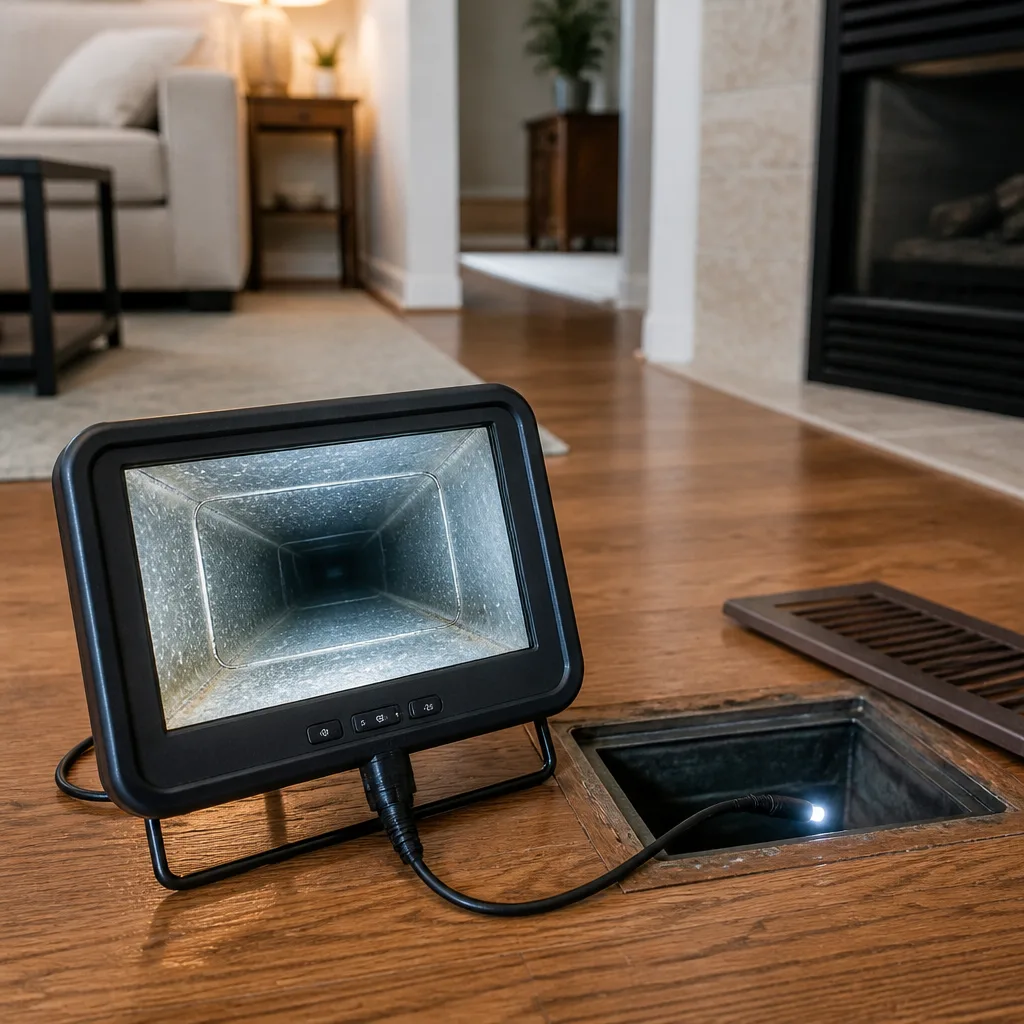 Camera inspection
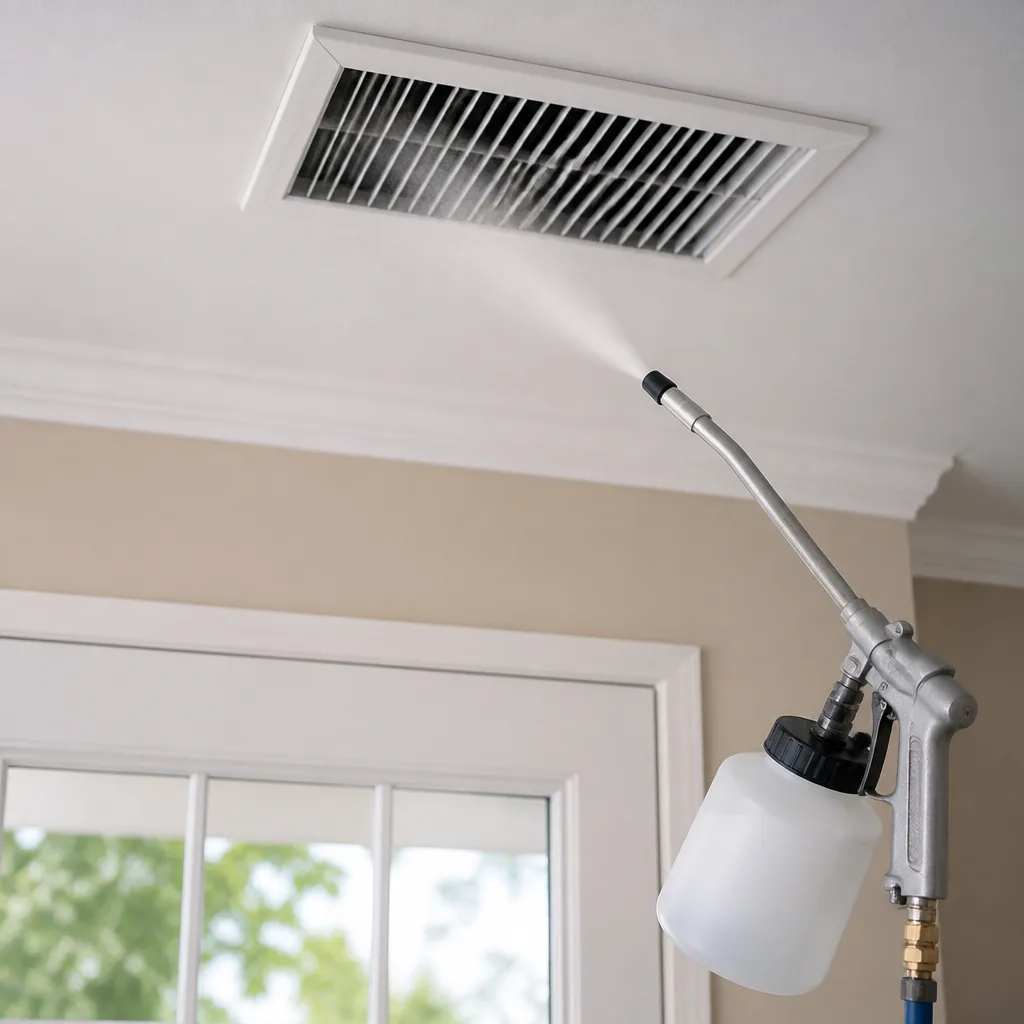 Sanitizing & deodorizing
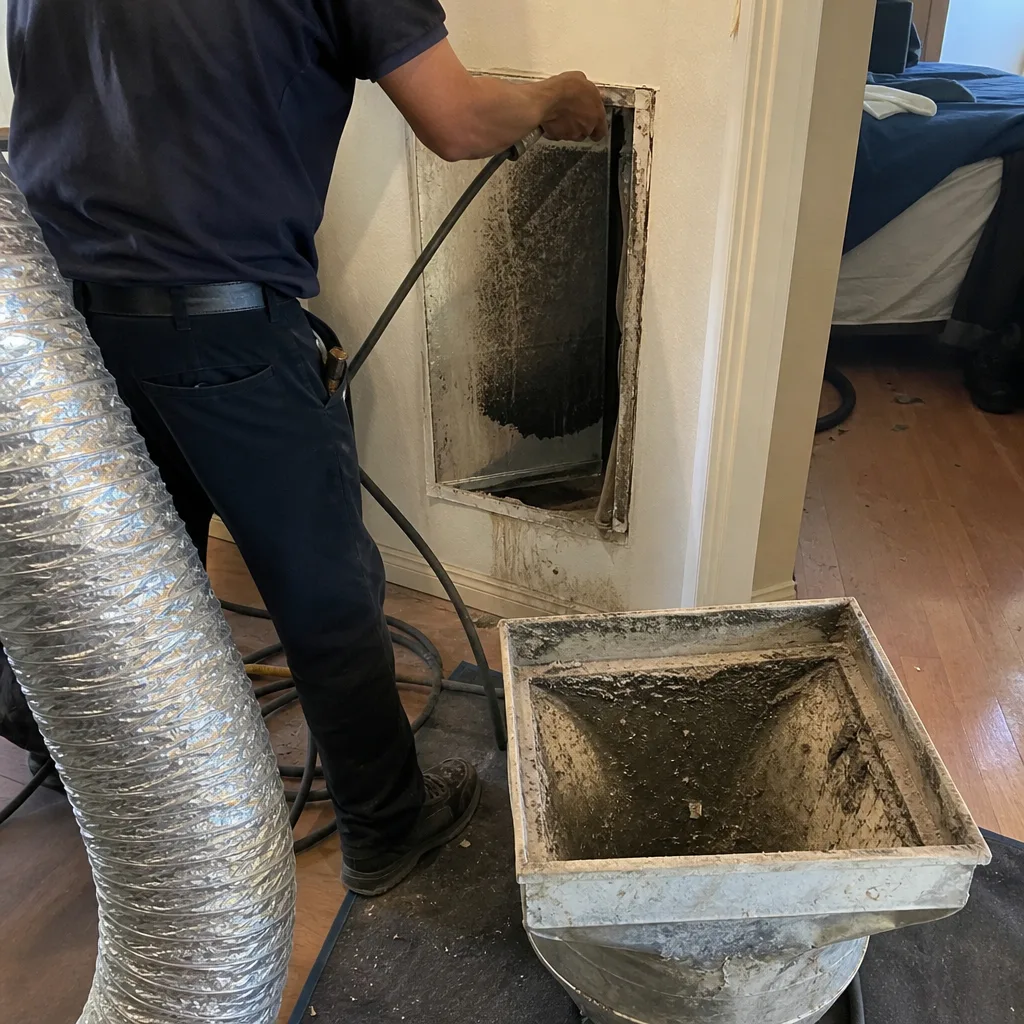
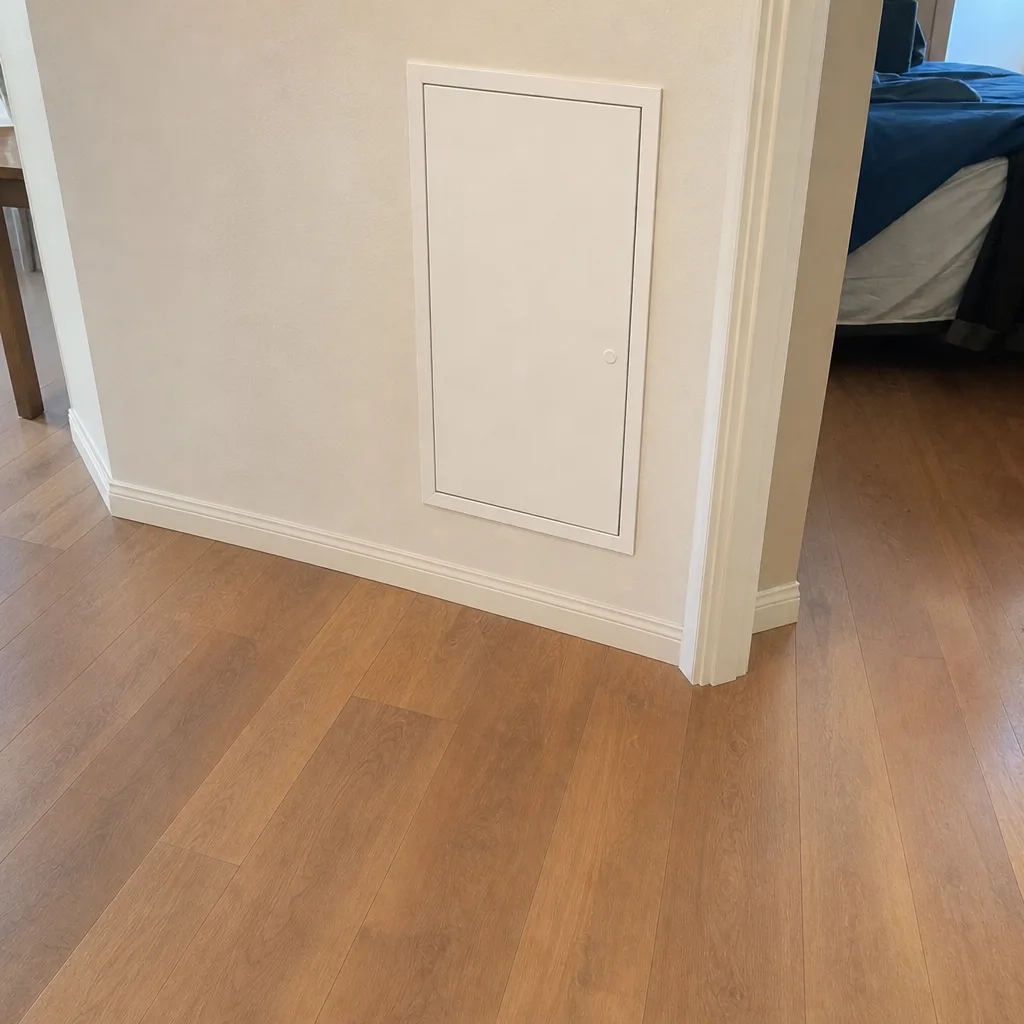
Whole-system duct and dryer vent check with before-and-after photos - you see exactly what came out of your vents
That "$99 whole-house special" is a bait ad - the real number appears once they are in your hallway, or the "clean" is a shop-vac at the register. We photograph the inside of your ducts before and after instead.
Air Duct Cleaning Emergency Preparedness Guide for Floral Park Homes
After a wildfire smoke event, running your HVAC the way you normally would doesn’t clear your air. It pours smoke particles into the duct system and cycles them back into every room, where they settle into the lining and keep re-circulating long after the sky looks clear again. That’s the part most homeowners miss, and it’s the reason “just run the fan and change the filter” can actually make things worse. Wildfire smoke, water intrusion, and rodent intrusions each contaminate a duct system through a different mechanism and each needs a different response. In this guide we’ll walk through the protocol for each one, how to document contamination for an insurance claim, and what you can do in Floral Park now, before anything happens, to make a future cleanup faster and cheaper.
Quick Answer
During and immediately after a wildfire smoke event, shut the HVAC system off rather than running it, and have the duct system inspected and cleaned before re-commissioning it for normal use. For water intrusion, act on the moisture within the first day or two, because biological growth can establish faster than most people expect. For rodent intrusion, cleaning alone is not enough: the contamination has to be sanitized in a specific sequence, and any entry points have to be sealed. In Floral Park, where wildfire smoke is the most common of these three events, preparation before an event is what makes the difference.
Styles & brands we work with
- Whole-home duct cleaning
- Dryer vent cleaning
- Camera inspection
- Sanitizing & deodorizing
Table of Contents
- Wildfire Smoke Protocol: Shut Down, Filter, Re-Commission
- Water Intrusion: The 48-Hour Window
- Rodent Intrusion: Why Cleaning Alone Isn’t Enough
- Documenting Duct Contamination for Insurance
- Pre-Emergency Preparation for Floral Park Homes
- Filtration Upgrades That Hold Up Between Events
- Warning Signs Your Duct System Needs Attention Now
- Common Mistakes to Avoid
- When to Call a Professional
Wildfire Smoke Protocol: Shut Down, Filter, Re-Commission
Wildfire smoke is the contamination event Floral Park homeowners are most likely to actually face, and it’s the one most people handle backwards. The instinct is to close the windows, fire up the HVAC, and let the filter “catch” the smoke. The problem is that a standard filter is not designed for smoke, and running the system pulls smoke into the return ducts and pushes it through the supply side, where it coats the interior of the ductwork.
Here is the sequence that actually protects the system, and it’s worth knowing before the next smoke event rather than during one.
- Shut the system down. When smoke is visibly heavy outdoors, turn off the HVAC at the thermostat rather than letting it run continuously. Closing windows and doors helps, but a running system with ordinary filtration draws smoke into the duct pathway.
- Don’t run the fan to “clear things out.” Fan-only mode moves air through the ducts without conditioning it, and smoke particles riding that air settle into the lining. This is the single most common mistake after a smoke event.
- Note the filter, don’t just swap it blindly. A heavily loaded filter after a smoke event is doing its job. If it’s a disposable filter, replace it once the outdoor air improves. If the system uses a high-MERV filter or a media cabinet, check it and plan to replace it after the ducts have been addressed, not before, so you don’t put a fresh filter in front of contaminated ductwork.
- Inspect before re-commissioning. Once the outdoor air clears, have the duct system inspected. Smoke residue that has already embedded in the lining needs professional extraction; the system won’t clean itself with a longer run time.
- Re-commission in order. Clean the ducts, then replace the filter, then restore normal operation. Reversing that order pushes residue into a new filter and back into the system.
Smoke doesn’t just pass through. It leaves a fine, slightly oily residue on the interior surfaces, and that residue is a magnet for future dust. Getting it out requires the kind of equipment that can physically contact the duct walls, not a shop vacuum at the register.
Water Intrusion: The 48-Hour Window
Water in a duct system is a different kind of problem than smoke, and it moves on a faster clock. In our experience, the window to act on wet ductwork is measured in the first day or two. Once moisture sits in a duct run, the conditions for biological growth are present, and growth in a duct system is a much bigger job than drying it out early.
Water enters ductwork in Floral Park in a few typical ways:
- Roof and attic leaks that drip onto duct runs in the attic, especially around penetrations and seams.
- HVAC condensate problems, where a clogged drain pan or a disconnected condensate line lets water pool near the air handler and wick into the duct connection.
- Plumbing failures in the walls or ceilings that soak insulation around ducts or reach the ducts themselves.
- Flooding or irrigation intrusion reaching ductwork in low crawl spaces or at grade.
The signs to check for after any water event: visible staining or sagging in the duct insulation, a musty or earthy smell when the system first comes on, condensation on duct surfaces, or a drop in airflow. Staining and smell are the two most reliable indicators that moisture has entered the system rather than just the room.
If you find moisture in or around the ductwork, the priority order is to stop the water source, dry the affected area, then have the duct system inspected and, if needed, cleaned and sanitized. Duct cleaning by itself does not fix wet insulation or saturated duct board; in some cases, damaged duct sections have to be repaired or replaced, which is exactly why we pair cleaning with air duct cleaning and repair and sealing as separate services. A wet duct system that is cleaned but not repaired will re-contaminate.
Rodent Intrusion: Why Cleaning Alone Isn’t Enough
Rodents in a duct system are the case where “just clean it” fails. When rodents get into ductwork, they leave behind more than debris: urine, droppings, hair, and nesting material, all of which carry contamination that a mechanical cleaning pass loosens but doesn’t neutralize. The sequence matters, and cleaning before sanitizing, without sealing the entry point, leaves the contamination and the access intact.
Here’s the response sequence that addresses the whole problem:
- Confirm the intrusion. Signs include scratching or movement sounds in the ducts, droppings near registers or in the return, chewed insulation or duct tape, a persistent odor, or an increase in dust around the vents. A professional inspection with a camera can locate the entry points and the extent of contamination.
- Remove the source. Any live rodents have to be dealt with before the ducts are cleaned, otherwise the system is re-contaminated the following week. This typically means a pest control professional handles exclusion first, and we handle the duct side once the entry is closed.
- Clean the full system. This is not a register vacuum. The whole air pathway needs contact cleaning with rotary brush equipment and negative-pressure extraction, so loosened debris is captured rather than redistributed into the home.
- Sanitize after cleaning, not before. Sanitizing a duct system that still has debris in it wastes the treatment. The cleaning has to come first, then the sanitizing pass, so the surfaces that get treated are the surfaces that stay clean.
- Seal the entry points. Any gap, torn flex duct, or disconnected joint that let rodents in is a future entry point. Duct sealing after cleaning closes the pathway and is why we treat repair and sealing as part of the same service, not a separate call months later.
If you’ve had rodents and haven’t addressed the ducts, the odor and the dust will keep returning even after the pest issue is resolved. The contamination is in the lining, and it needs extraction, not just air freshener.
Documenting Duct Contamination for Insurance
Whether an insurance claim pays out on duct contamination depends on documentation, not on what a homeowner describes over the phone. Insurers want evidence that the contamination exists, where it came from, and the scope of what needs cleaning or replacing. If you file a claim, here’s what an adjuster typically wants to see.
- Photographs of the source event. The leak, the smoke intrusion, the fire, the flooding, the rodent activity: document the cause as well as the result.
- Interior photographs of the duct system. Pictures taken through registers or via camera inspection that show visible contamination, debris, staining, or water damage inside the ducts. This is what separates a duct claim from a general cleaning request.
- An inspection report describing the system. A written description of the duct type (flex, rigid, duct board), the extent of contamination, and the components affected. A report that names the contamination and the locations is more persuasive than a general cleaning invoice.
- Before-and-after documentation. Photos showing the same duct sections before and after cleaning support the claim that the work was actually completed and the scope was real.
- Itemized scope and cost. A written estimate breaking down cleaning, sanitizing, repair and any sealing, rather than a single number, makes the claim easier to process.
One practical point: call your insurer before work begins. Most adjusters want to see the untreated condition, and a duct system that’s already been cleaned can’t be documented in its contaminated state. In our experience with Floral Park claims, the homeowners who photograph the source and the registers first, then get a written inspection, have the smoothest path.
Pre-Emergency Preparation for Floral Park Homes
The best time to prepare your duct system for an emergency is when there isn’t one. A few steps now make the difference between a duct system that cleans up well after smoke or water and one that has to be torn out and rebuilt.
- Know your duct type and layout. If you don’t know whether your home has flex duct, rigid metal, or duct board, have it documented before an event. It tells the inspection where to focus and it tells the adjuster what you have.
- Baseline photos. Take a few photos of the accessible ductwork (attic, basement, air handler closet) when the system is clean. After an event, “before” photos only help if you know what normal looked like.
- Keep the access points clear. The air handler closet, attic hatch, and any crawl space access should be reachable without moving furniture or boxes. Contamination checks go faster when the technician can get to the system.
- Record the filter size. Knowing the exact filter size and type your system takes means you can replace it correctly after a smoke event instead of guessing at the hardware store while the air is still bad.
- Seal obvious gaps and disconnected joints as part of routine maintenance. A gap in a return duct pulls smoky or damp air directly out of an attic or crawl space and into the house. Sealing it before an event removes one of the fastest pathways for contamination.
- Get a baseline inspection. If your ducts have never been looked at, an inspection gives you a documented starting point and flags leaks, damage, or buildup that would make a future event worse.
For Floral Park homes, the wildfire smoke scenario is the one to prepare for first, but a healthy duct system is also simply easier to keep clean through ordinary use. If you’ve never had a professional inspection, that’s the single most useful preparation step available, and it’s why Floral Park Air Duct Cleaning offers free estimates in the first place.
Filtration Upgrades That Hold Up Between Events
Filtration is the layer that buys your duct system time between events. It doesn’t replace cleaning, but a system with properly sized, correctly installed filtration picks up more particulate before it reaches the duct interior, which means less to extract after the next smoke event or dust storm.
Two things we consistently see in Floral Park homes that undermine filtration:
- The wrong filter for the system. A filter that’s too restrictive for the blower forces the system to work harder and can actually increase air infiltration into the ducts from gaps. Filter selection has to match the equipment.
- Filtration that’s never serviced. A media cabinet or high-efficiency filter that isn’t replaced on schedule stops filtering and starts restricting. The schedule matters more than the rating.
We work with Honeywell and Aprilaire filtration systems and can recommend and install filtration that’s compatible with your existing equipment, so between-event filtration is actually doing its job. That said, filtration is a support layer, not a substitute. It doesn’t remove contamination that’s already in the ducts, and it can’t sanitize a rodent intrusion. For that you need a full cleaning, which is why we treat filtration and HVAC cleaning as related but separate work. A high-efficiency filter on top of dirty ducts just puts a clean filter on a dirty system.
Warning Signs Your Duct System Needs Attention Now
Duct contamination usually announces itself long before a visible problem. If you notice any of the following in a Floral Park home, it’s worth scheduling an inspection rather than waiting for the next smoke event.
- A musty or earthy smell that shows up when the heat or the fan first comes on, or that gets stronger in certain rooms.
- Visible dust around registers within a short time of cleaning, especially a dark or oily film rather than ordinary dust.
- Increased dust in the house after windows have been closed, which can point to debris in the supply side being reintroduced.
- Uneven airflow between rooms, which can signal disconnected or damaged ducts acting as a contamination pathway.
- Scratching or movement sounds in the ducts, or droppings near registers or in the air handler closet.
- Staining on duct insulation or condensation after any water event, which points to moisture that has entered the system.
- Headaches or irritation that ease when you leave the house and return when the system runs. This is worth an inspection regardless of whether it turns out to be the ducts.
None of these signs prove a duct problem on their own, which is exactly why a camera inspection rather than a guess is the right first step.
Common Mistakes to Avoid
- Running the HVAC during heavy smoke to “filter the air.” Ordinary filters don’t handle smoke, and running the system embeds particles deeper in the duct lining. Shut it down and wait for the outdoor air to improve.
- Cleaning the ducts before sealing the leak or the entry point. A duct system that’s cleaned but still has an open gap or a rodent entry re-contaminates within weeks. Repair and sealing have to be part of the plan, not an afterthought.
- Sanitizing before cleaning. Treatment that goes on top of debris is wasted. The order is clean, then sanitize, then seal any damage.
- Replacing the filter before the ducts are cleaned. A new filter in front of a contaminated system loads up fast and does nothing for the residue already in the lining.
- Hiring on price alone. A very low quote usually means a single vacuum pass at the registers and no addressing of the air handler, the plenum, or the return side. Ask what equipment will be used and whether the full system is included before you agree to anything.
- Waiting on wet ductwork. Moisture in a duct system is a fast-moving problem. If you see staining or smell something musty after a leak, get it inspected within a day or two.
- Skipping the documentation when you plan to file a claim. Photographs and a written inspection before cleaning matter more than any invoice when it comes to getting the claim paid.
When to Call a Professional
Some situations are clearly professional territory. Call us if you’ve had a wildfire smoke event and the system hasn’t been inspected since, if you’ve found moisture or staining in the ductwork, if you suspect rodents have been in the ducts, if you have a persistent musty smell when the system runs, or if you’re filing an insurance claim and need an inspection report before work starts. Those are the cases where a full cleaning, sanitizing, repair or sealing is the only way to actually fix the problem rather than cover it. Our technicians have up to 11 years of experience with the equipment each situation requires, and we use Rotobrush and Nikro systems so the cleaning actually contacts the duct walls. Floral Park Air Duct Cleaning offers free estimates in Floral Park, and the price is set per job by the written estimate, so you know the cost before any work starts. Call (833) 966-4423. We answer 24/7. Fast dispatch from 7am to 7pm, Sunday through Friday.
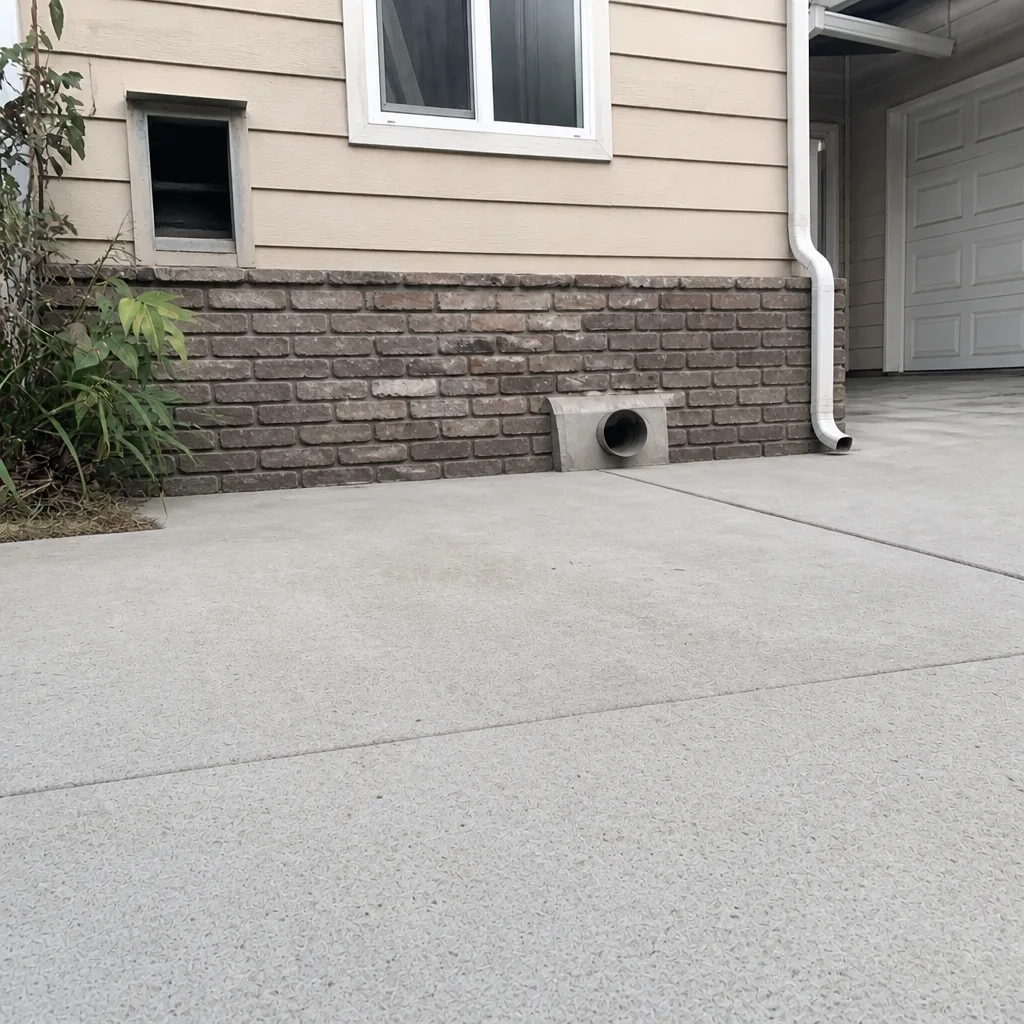
See the difference
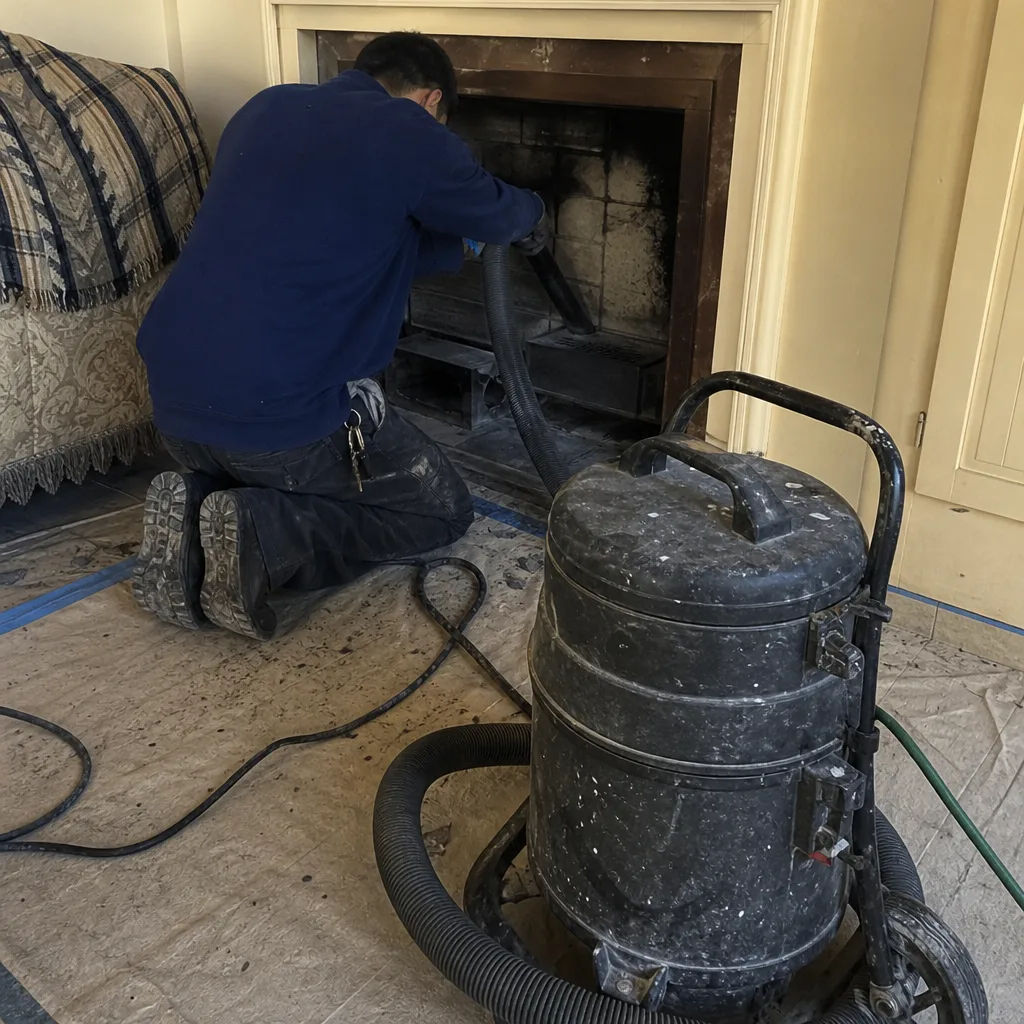 Before
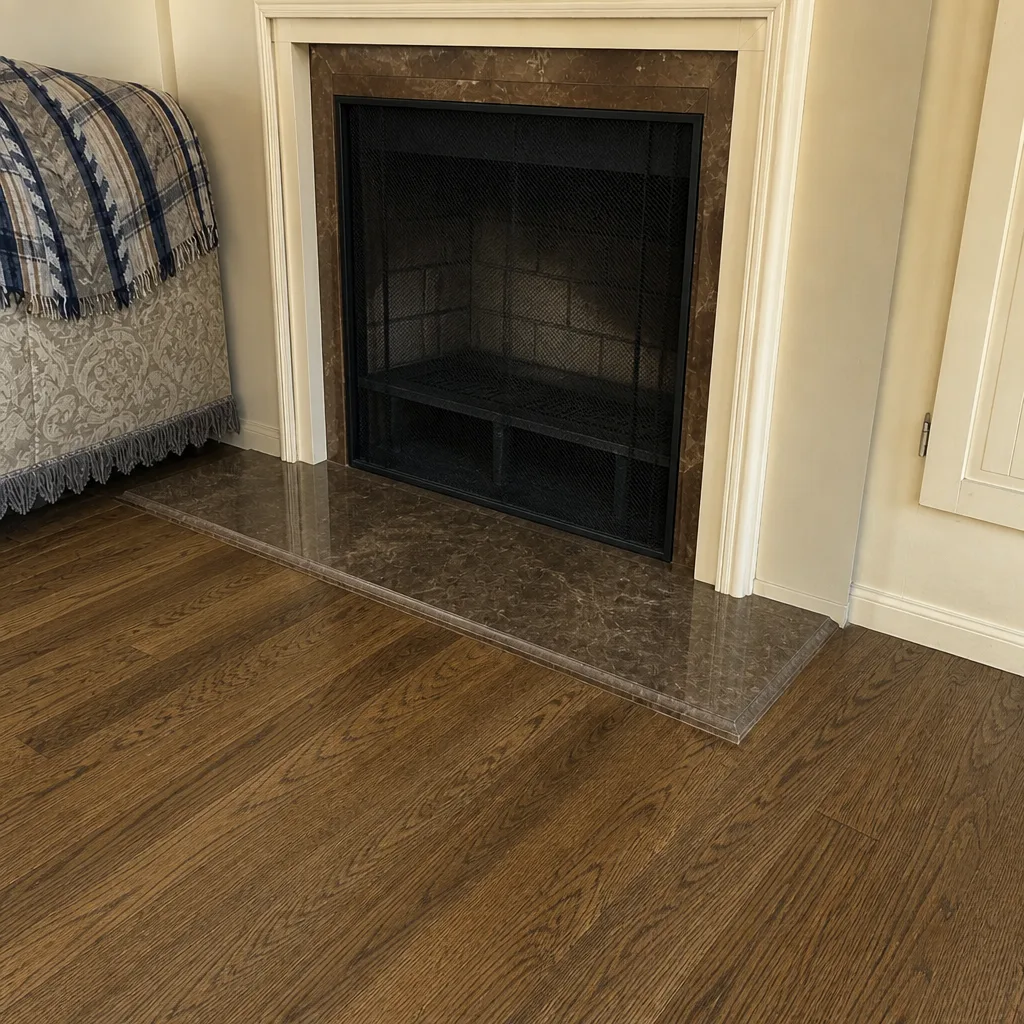 After
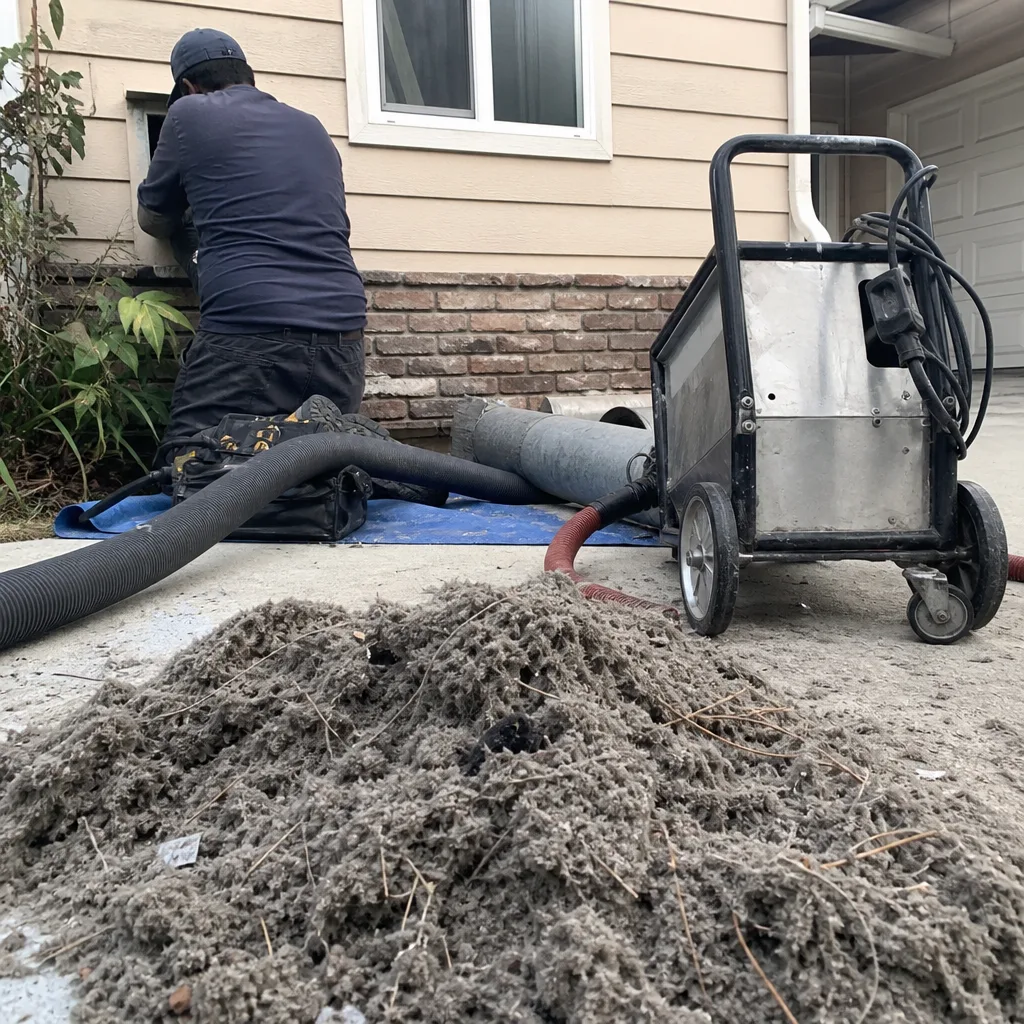 Before
 After
 Before
 After
Frequently Asked Questions
No. Running the HVAC during heavy smoke draws smoke into the return ducts and pushes it through the rest of the system, where it embeds in the duct lining. Shut the system off at the thermostat, keep windows and doors closed, and have the ducts inspected and cleaned before returning to normal operation.
Within the first day or two. Moisture in a duct system is the condition biological growth needs, and the sooner the water source is stopped and the system dried and inspected, the less likely it turns into a cleaning-and-repair job. If you see staining or smell something musty, call (833) 966-4423 for an estimate.
No. Cleaning removes the debris, but the contamination left behind has to be sanitized, and the entry points have to be sealed, or the rodents come back and the ducts are re-contaminated. The correct sequence is cleaning, then sanitizing, then sealing the entry.
The source of the damage (the leak, the smoke intrusion, the fire or flooding), the interior of the ducts through registers or camera inspection, and the same sections before and after cleaning. Pair those with a written inspection report that names the contamination and the scope of work, and itemize the estimate rather than giving a single number.
Leave the system off and let the filter do its job on the air already in the system, then replace it after the ducts have been cleaned, not before. Putting a fresh filter in front of contaminated ductwork just loads the new filter and does nothing for the residue in the lining.
A camera inspection answers that. If the ducts are intact but contaminated, it’s a cleaning and sanitizing job. If there’s a disconnected joint, torn flex duct, or water-damaged section, repair and sealing are part of the same visit so the cleaned system stays clean. Call (833) 966-4423 for a free estimate and we’ll walk you through what the inspection shows.
The Bottom Line
Wildfire smoke, water intrusion, and rodents each hit a duct system differently, and the response for each has a sequence that matters. For smoke: shut the system down, don’t run the fan, replace the filter after cleaning. For water: stop the source and act within the first day or two. For rodents: cleaning, then sanitizing, then sealing, in that order. Documentation before and after any event is what makes an insurance claim work. And the most useful thing a Floral Park homeowner can do right now is get a baseline inspection so the next event starts from a known place. If you’ve had an event or you’ve never had the ducts looked at, dryer vent cleaning and a full duct inspection are both worth scheduling together, since the dryer vent carries a fire risk worth addressing alongside the duct system. Call (833) 966-4423 for a free estimate; we’ll inspect the whole air pathway, not just the registers.
Written by the team at Floral Park Air Duct Cleaning.