
Last updated November 25, 2026
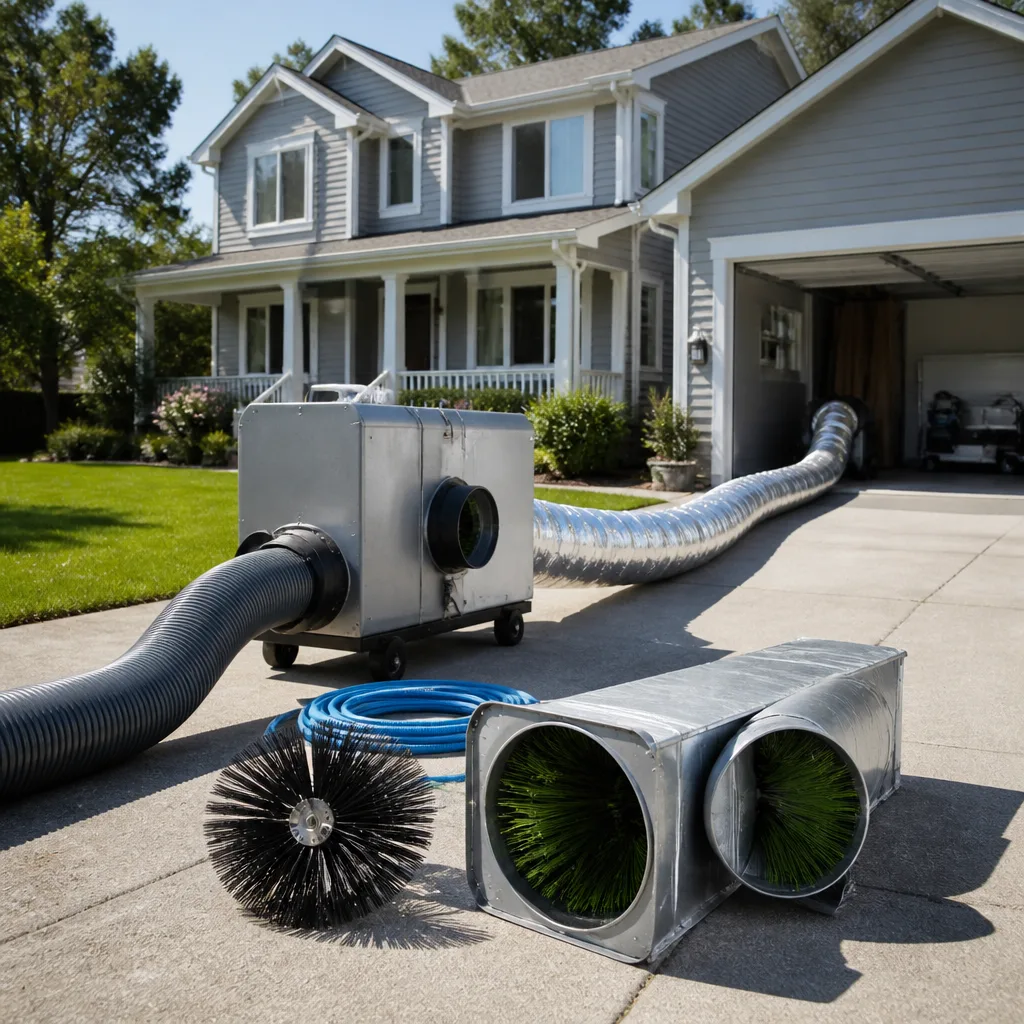 Whole-home duct cleaning
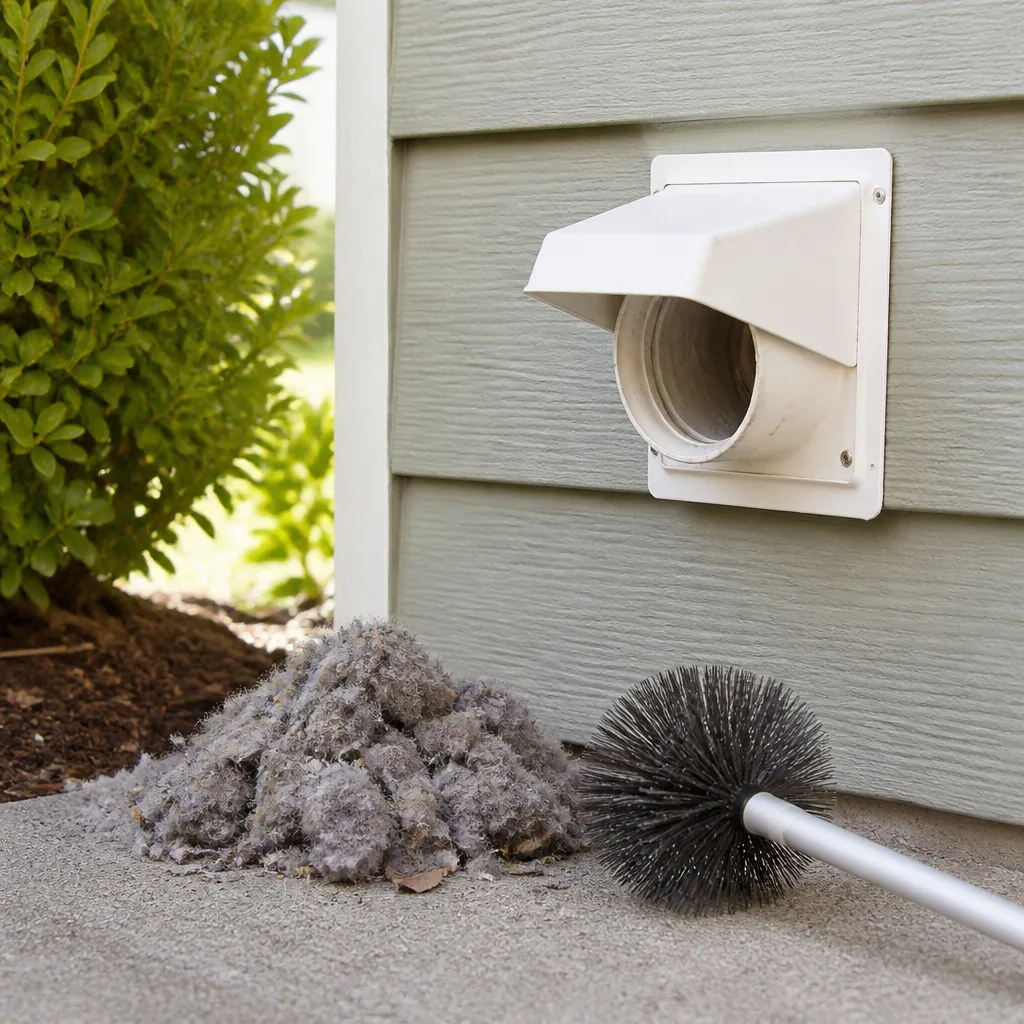 Dryer vent cleaning
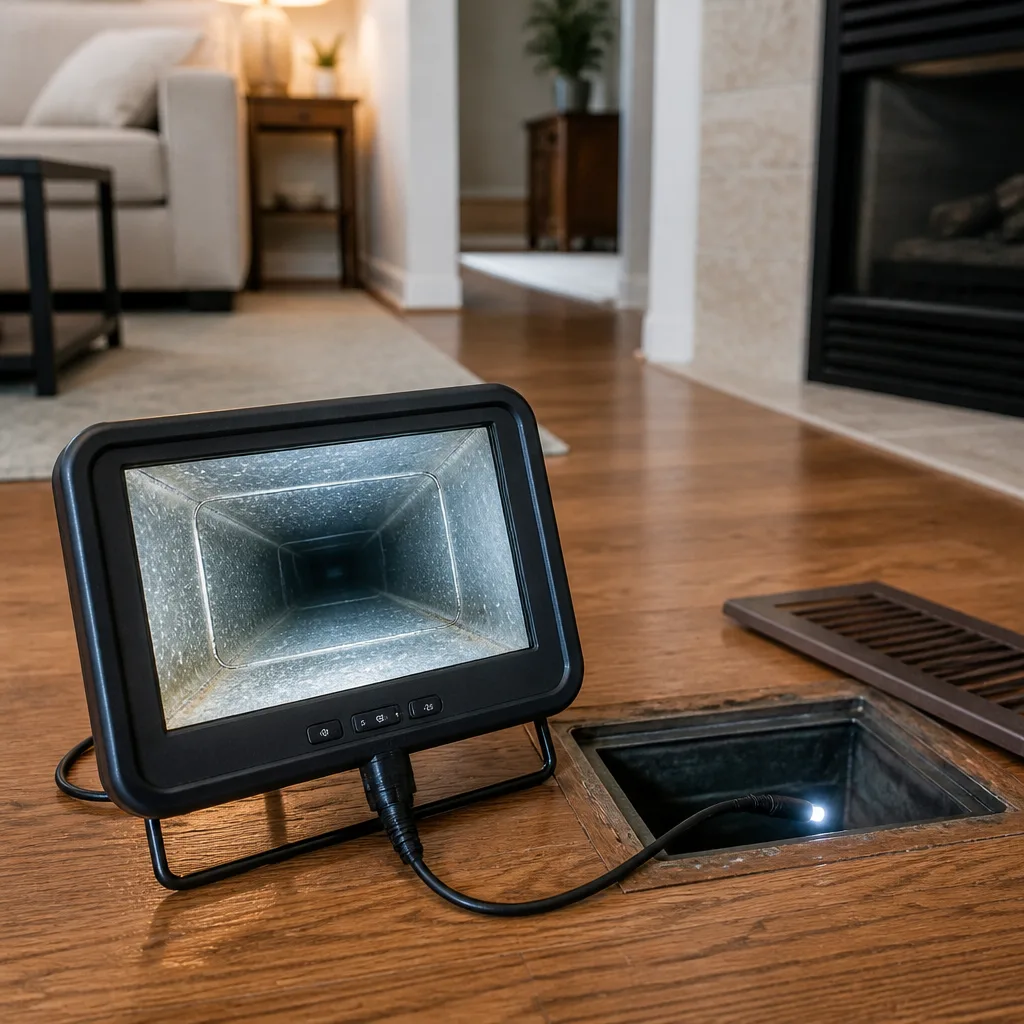 Camera inspection
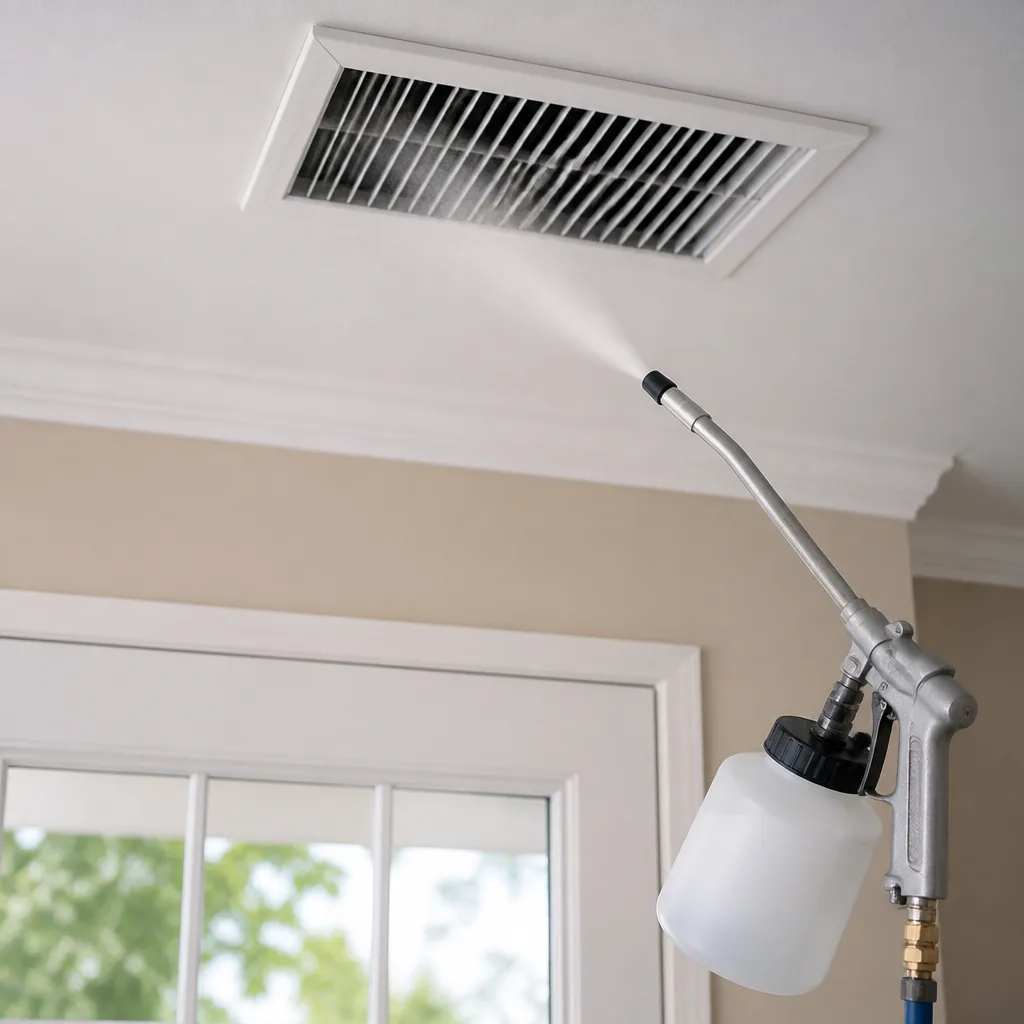 Sanitizing & deodorizing
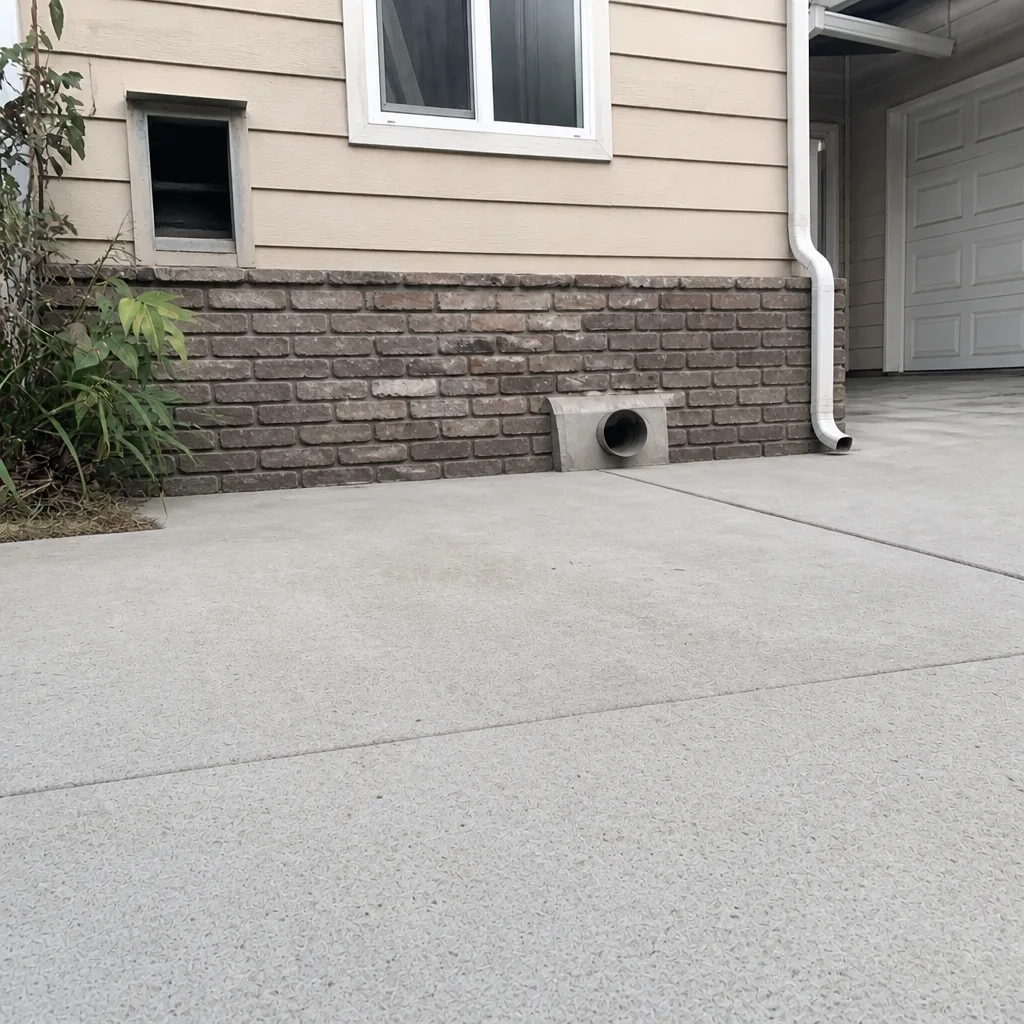
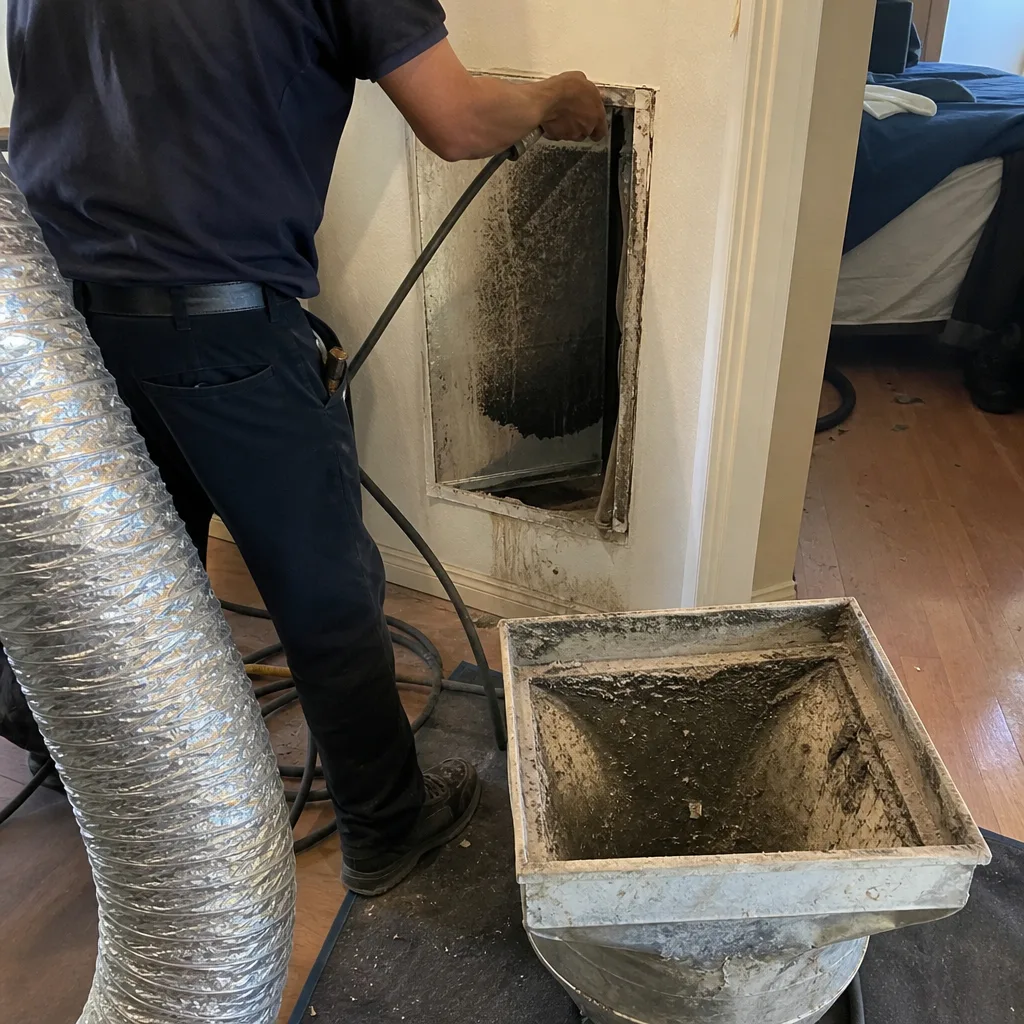
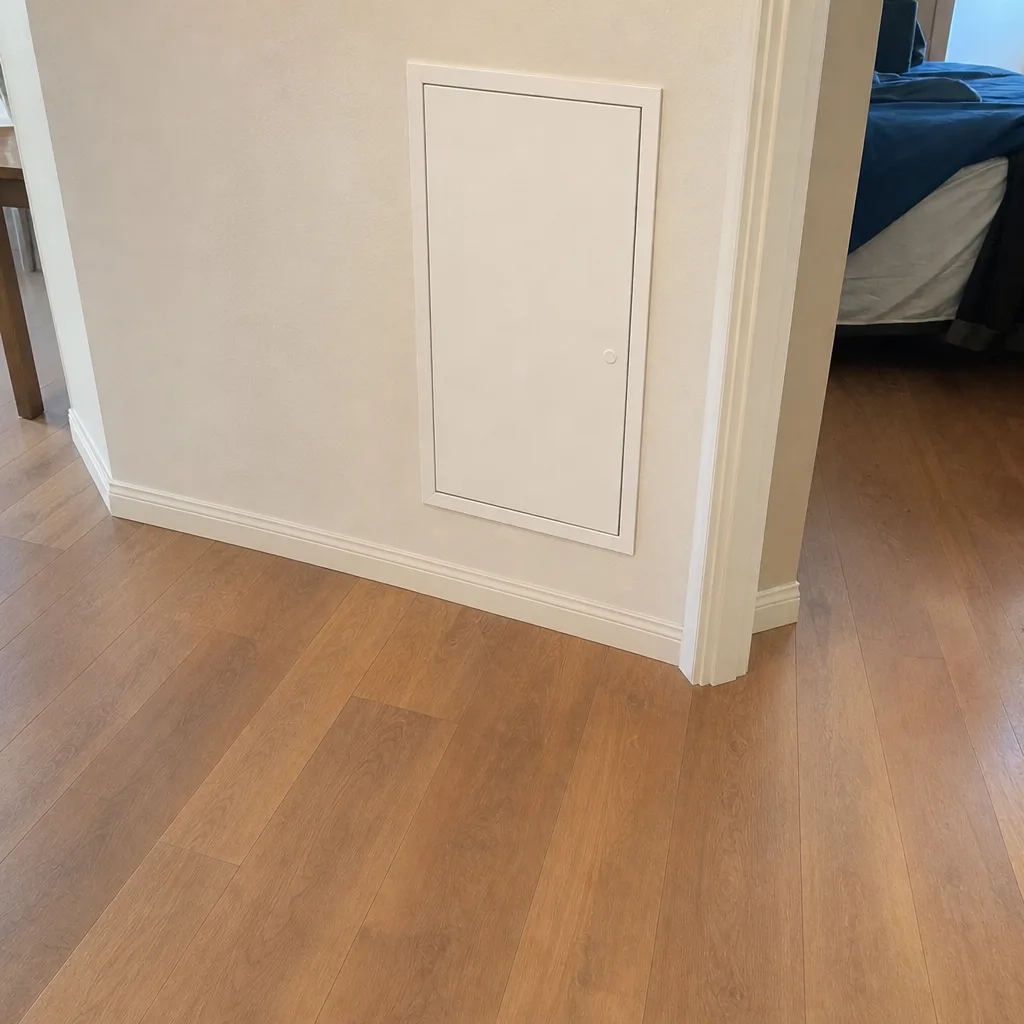
Whole-system duct and dryer vent check with before-and-after photos - you see exactly what came out of your vents
That "$99 whole-house special" is a bait ad - the real number appears once they are in your hallway, or the "clean" is a shop-vac at the register. We photograph the inside of your ducts before and after instead.
Choosing the Right Air Duct Cleaning Brand: A Buyer’s Guide for Floral Park
Here’s the uncomfortable truth about duct cleaning: the brand on the van tells you almost nothing about what will happen in your house. Several nationally advertised duct cleaning companies operate on a franchise or subcontractor model, which means the reputation they spent millions building and the technician standing at your door may have almost no connection to each other. You called one company and a different crew showed up. That gap is where the bait-and-switch stories come from, and it’s why a homeowner in Floral Park can do everything right and still end up with a shop vac and a sales pitch. This guide gives you a framework to judge a duct cleaning company on what actually matters: the equipment, the process, and who’s doing the work.
Quick Answer
The right air duct cleaning brand in Floral Park is the one that discloses its equipment by name, sends its own trained employees rather than subcontracted crews, and shows you before-and-after photos of the ducts it cleaned instead of glowing testimonials. Brand recognition, coupon prices, and franchise logos are weak signals. Equipment disclosure, employee staffing, and documented results are strong ones. Judge a company on those three things and you’ll avoid the low-price bait-and-switch that gives this trade its bad name.
Styles & brands we work with
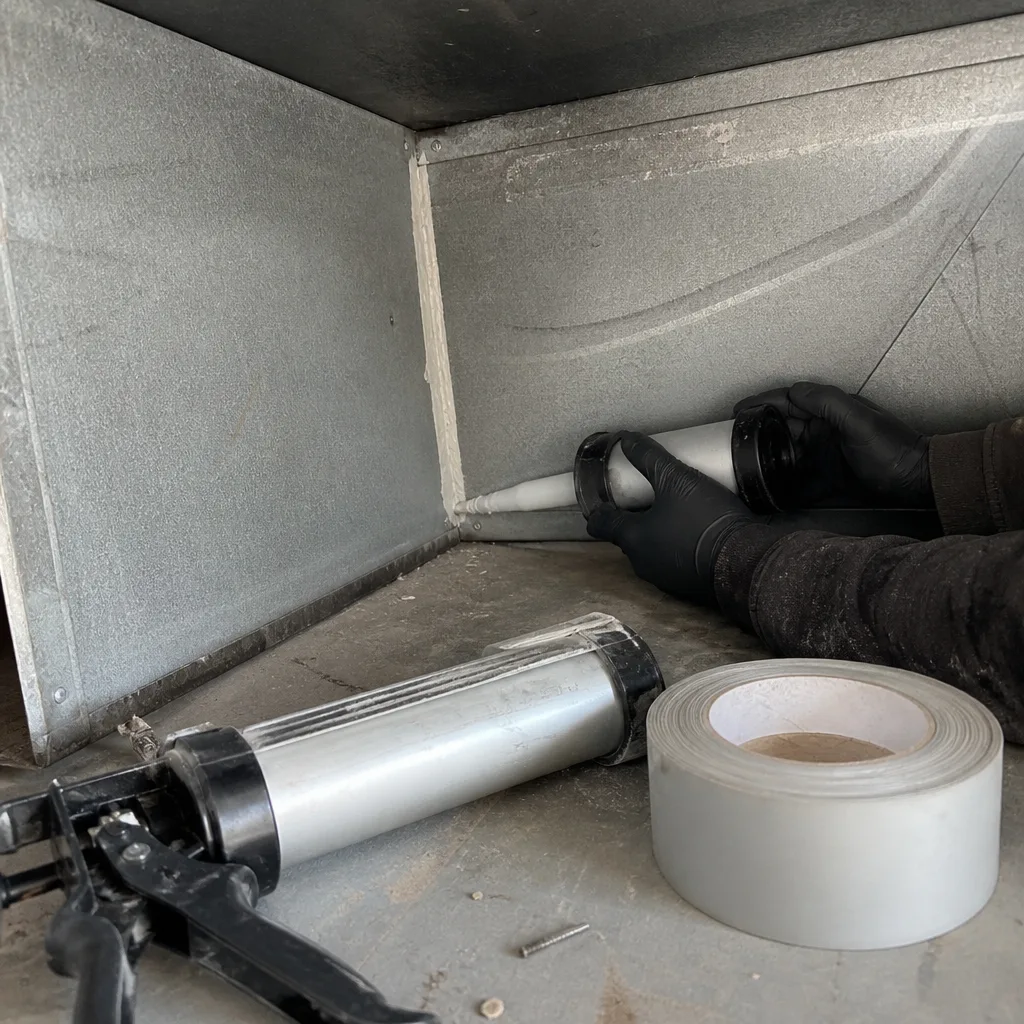
- Whole-home duct cleaning
- Dryer vent cleaning
- Camera inspection
- Sanitizing & deodorizing
Table of Contents
- Why “Brand” Is the Least Useful Thing to Compare
- Equipment Disclosure: What to Ask and Why It Matters
- The Subcontractor Question
- Why Local Specialists Beat Generalists on Duct Work
- How to Evaluate Before-and-After Photos
- What “Fully Insured” and “Bonded” Actually Mean in California
- What a Proper Duct Cleaning Job Involves
- The Questions to Ask Before You Book
Why “Brand” Is the Least Useful Thing to Compare
Duct cleaning isn’t like buying a car, where the badge on the hood correlates with engineering, warranty, and resale. In this trade the brand is a marketing operation, and the work is done by whoever shows up. A franchise can have an excellent training program and a franchisee who ignores it. A company can have the most polished website in Floral Park and still run a two-person crew with consumer equipment and a scripted upsell.
The reason brand signals fail is structural. Duct cleaning is a service delivered at your address by a technician, and the quality of that visit depends on three variables the brand can’t guarantee:
- The equipment on the truck. A truck-mounted vacuum with a rotary brush is a fundamentally different machine than a portable shop vac with an air whip. The brand name doesn’t change what rolled into your driveway.
- The training of the person using it. Duct systems have supply and return sides, flex versus rigid runs, and delicate components near the air handler. A trained technician knows where not to force a brush. An untrained one doesn’t.
- Whether the company stands behind the work after the invoice. A national brand’s satisfaction policy is only as good as the local operator’s willingness to honor it.
So the useful comparison isn’t brand against brand. It’s disclosure against non-disclosure. Companies that tell you their equipment by name, describe their process, and answer the subcontractor question directly are telling you something about how they operate. Companies that lead with a coupon price and a toll-free number are telling you something too, and it isn’t good. Floral Park homeowners who understand this research the process, not the logo.
Equipment Disclosure: What to Ask and Why It Matters
Ask any duct cleaning company you’re considering what equipment they’ll bring into your home. If the answer is vague (“professional equipment,” “the latest machines”), move on. A serious operator names the systems. We use Rotobrush and Nikro rotary-brush and vacuum systems, and we run Abatement Technologies air-quality equipment because it gives us contamination control closer to what remediation contractors use than to what most residential crews carry. When a company tells you the equipment by name, it’s a sign they’re not hiding behind a brand.
Here’s why the equipment question matters more than any marketing claim. There are two broad categories of duct cleaning machine:
- Truck-mounted units. A powerful vacuum mounted in the truck, connected to the duct system by a hose through a door. These pull a large volume of air and dislodged debris out of the system and into a collection unit outside the house. Best for whole-system cleaning on most residential jobs.
- Portable units. A vacuum and rotary brush carried into the house. Portable systems are appropriate for smaller jobs, tight spaces, and situations where the truck can’t get close enough to run a hose. Quality portable units from Rotobrush and Nikro do legitimate work; the problem is cheap portables that can’t move enough air to remove debris rather than just loosen it.
Either can be right for a given Floral Park home. What’s not right is a company that can’t tell you which one they use. Air whips and compressed-air tools are another thing to ask about: they loosen debris but need adequate vacuum on the other end to remove it, or you’ve just rearranged the dirt. A true duct specialist will explain how their equipment captures what it dislodges. That’s the difference between cleaning and stirring.
The Subcontractor Question
Ask directly: “Will the technician arriving at my house be an employee of your company, or a third-party crew?” A legitimate company answers without hesitation. If the person on the phone dodges, changes the subject, or gives you a speech about how “all our technicians are vetted,” treat that as a no.
The subcontractor model is the engine behind most bad duct cleaning experiences, and it’s more common than homeowners realize. A company runs ads and books jobs; independent crews, sometimes several states away from the brand’s headquarters, do the work on a per-job basis. The incentives are misaligned from the start: the crew is paid per job, which rewards speed over thoroughness and creates pressure to sell extras, and the brand that sold you the job has limited control over what that crew actually does in your ducts. When something goes wrong, you’re caught between a call center and a crew you can’t reach.
Employees are different. A company that staffs its own technicians has trained them, knows their work, and has a reason to keep the standard consistent because its reputation walks into your house with them. It also has a person accountable when a question comes up. In our experience, the single most revealing question you can ask a duct cleaning company is simply who works for them. Floral Park property managers who book duct cleaning for multiple units feel this most: the crew composition question determines whether you get consistent service across every unit or a different outfit each time.
A few follow-ups worth asking once you’ve gotten the staffing answer:
- How long has the technician doing my job been doing this work?
- Does the same company own the equipment, or is it rented per job?
- Who do I call if I have a question after the cleaning?
None of these require the company to name a person; you’re asking about structure and process. The answers tell you how the business is put together.
Why Local Specialists Beat Generalists on Duct Work
A general contractor or handyman who “also does duct cleaning” is a different animal from a company that does ductwork and air quality as its core work. Duct systems have specific problems, and recognizing them takes focused experience: crushed or disconnected flex runs, leaky seams that pull attic or crawlspace air into the supply side, mold growth on damp interior lining, and the return-side restrictions that force your blower to work harder than it should. A specialist sees these constantly. A generalist sees them occasionally.
Specialization also changes the equipment a company owns, because a specialist invests in the machines that specific work requires. A company whose bread and butter is duct cleaning buys the truck-mounted vacuum and the rotary brush system and the contamination-control equipment, because those are the tools that make the work good. A generalist buying a duct machine to add a line item to the menu buys the minimum. That shows up in the quality of the job.
And it shows up in what the company can do about what it finds. In Floral Park, as in most of the LA area, older homes and additions sometimes have duct runs that were modified, extended, or patched over time, and leaky or damaged sections are common discoveries once the system is opened up. A generalist cleans and leaves. A specialist repairs and seals what it finds, so the ducts stay clean instead of re-contaminating within a season. That’s a meaningfully different outcome, and it comes from having narrow, deep expertise rather than a broad service menu. Our own service list reflects this: Floral Park Air Duct Cleaning, air duct cleaning, dryer vent cleaning, HVAC cleaning, and duct repair and sealing are all duct-and-air-quality work. That’s the point.
How to Evaluate Before-and-After Photos
Testimonials are cheap. Every company has five-star reviews, and the ones with the most are often the ones buying the most aggressive low-price advertising. Before-and-after photos are harder to fake and more informative. They show you the actual condition of the inside of a duct system before and after cleaning, which is the only evidence that a real job happened.
Here’s how to read them:
- Are they the same duct? A legitimate before-and-after shows the same run, same seams, same features, so you can see what changed.
- Is the debris visibly gone from the duct surfaces? Loose dust is one thing; caked-on debris along the walls and seams is the real test of a brush-and-vacuum job.
- Are they indoors, showing the actual duct interior? A photo of a shiny exterior grille tells you nothing. A photo looking down the duct does.
- Do the photos show the work being done? Images of the rotary brush in the duct, the vacuum connection, and the collection setup show you a process, not just a result.
Ask the company whether they’ll photograph your system before and after the work. A company that does this as a matter of process is telling you it expects the results to speak for themselves. Ask for the photos; if the answer is no, that’s a data point. And when you look at a company’s website gallery, ask yourself whether the photos could plausibly belong to the job they describe, or whether they’re stock images of a generic duct. You can tell, usually. Floral Park is full of older homes with varied duct configurations, and a specialist serving the area will have real photos of real work, not catalog shots.
What “Fully Insured” and “Bonded” Actually Mean in California
“Fully insured” and “bonded” get thrown around loosely, and neither phrase guarantees anything on its own. Ask what coverage they carry and whether they’ll put it in writing. The specifics matter, because a duct cleaning job has a few ways to go wrong: a technician can damage ductwork, disconnect a run, knock a register loose, damage a component near the air handler, or in the worst case damage something in the home during setup. Whether you’re covered depends on what insurance the company actually carries.
The two coverages that matter:
- General liability insurance. This is the coverage that responds when work damages your property. Ask for a certificate of insurance (COI) or ask the company to confirm its coverage. A company that can’t or won’t provide this is a company that’s leaving you holding the bag if something breaks.
- A bond. A bond is a separate instrument that provides a route to reimbursement if the business fails to fulfill its obligations. It’s not the same as insurance and it doesn’t substitute for it. Ask what bond the company carries.
In California, home improvement contractors are licensed and regulated by the state’s licensing board, and you can verify a company’s licensing status through that board directly. Do that before booking. Floral Park homeowners hiring any contractor to work inside the home, duct cleaning included, should verify licensing and confirm insurance and bond in writing. A company that welcomes the question is a company that has the paperwork in order. If the person on the phone gets defensive, that’s your answer. Verify before the work starts, not after something goes wrong.
What a Proper Duct Cleaning Job Involves
A proper cleaning is a process, not a one-hour visit. When done correctly, a full residential duct cleaning involves several distinct stages, and knowing them lets you tell a real job from a fast one. Here’s how it should go:
- Inspection first. Before any cleaning begins, a technician should look inside the system: the supply and return runs, the air handler area, the condition of the flex and rigid duct sections, and any accessible joints or seams. This is where the job’s scope is set.
- Setting up containment. Access points are cut into the duct system in strategic locations, and a HEPA or high-efficiency vacuum is connected. Using contamination-control practices, the work area is sealed so the cleaning doesn’t leave dust in the home.
- Rotary brush cleaning of each run. A rotary brush system with a flexible shaft is fed down each run, mechanically agitating debris off the duct walls, while the vacuum pulls it out. This is the core of the job, and it’s where professional systems like Rotobrush and Nikro do the work that an air whip can’t.
- Cleaning the air handler and accessible components. The blower, the evaporator coil area, and accessible components get cleaned of debris so the system as a whole operates on a clean pathway.
- Cleaning the registers and grilles. Supply and return grilles are removed, cleaned, and reinstalled.
- Final inspection and photo documentation. The technician should verify the cleaned condition, document it with photos, and seal the access points with proper plugs or tape.
A real job takes time. “Fast and easy” is a claim that should make you skeptical, because the thorough version of this work isn’t fast. If a company promises to clean a whole house’s ducts in under an hour, ask them what stage they’re skipping. Floral Park homes vary in size and duct layout, and the time a proper job takes depends on the system, not the marketing.
The Questions to Ask Before You Book
Use this list as a script when you call. Every legitimate company answers each of these without flinching, and the way they answer tells you more than any website could. We don’t mind these questions, and neither should anyone else you call.
- What equipment will you use? Get a name. Rotobrush, Nikro, Abatement Technologies, or something comparable. Vague answers are a flag.
- Is the truck-mounted or portable? Either can be right; you want to know which one is coming.
- Are your technicians employees or subcontracted? Direct answer or no.
- How long has the technician been doing this work? Experience level of the person doing the job is fair to ask about.
- What’s your process, start to finish? You’re listening for inspection, containment, mechanical agitation, air handler cleaning, and photo documentation.
- Will I get before-and-after photos of my ducts? Yes is the right answer.
- Are you licensed, insured, and bonded, and can you provide proof? Verify with the state licensing board.
- What’s the price, and what does it cover? A written estimate before work starts, one price for the system, no per-vent add-ons discovered on site.
- What happens if you find damaged or leaky ducts? A specialist can repair and seal. A generalist will leave it and put the problem back in your court.
The one-price question deserves special attention. The most common bait-and-switch complaint in this trade is a low advertised price that becomes a much larger bill once the technician is in the house, sometimes because of per-vent pricing that only gets disclosed after the work is done. Ask for a written estimate up front with the price per system, and get it in writing that the estimate covers the whole job. Our standard is one flat price per system, agreed before any work starts, and no per-vent pricing. Anything less is a setup.
Common Mistakes to Avoid
- Booking the cheapest coupon in the mailer. A price that’s dramatically below the local market is a marketing price, and the difference gets made up somewhere: per-vent add-ons, an “extra” charge discovered on site, or a rushed job that doesn’t actually clean anything. The coupon is not the price.
- Assuming a national brand means consistent service. If the brand franchises or subcontracts, the quality at your address depends on the local crew, not the logo. Ask who’s coming before you assume.
- Not asking for the equipment by name. “Professional-grade” means nothing. Rotobrush, Nikro, and Abatement Technologies mean something. If they won’t name it, they may not have it.
- Skipping the licensing and insurance check. In California, you can verify a contractor’s license through the state board. Doing it takes a few minutes and it protects you if a duct run gets damaged. Don’t skip it because the company has a nice website.
- Accepting testimonials as proof of work quality. Everyone has good reviews. Before-and-after photos of the actual duct interior are the evidence that the work was done. Ask for them on your own system.
- Treating duct cleaning as the whole job when the problem is the ductwork. If your system has crushed flex runs, disconnected joints, or leaky seams, cleaning alone won’t fix the fact that the system is leaking or restricted. A specialist who can repair and seal is a better call than a company that only cleans.
- Forgetting the dryer vent. The dryer vent is part of your home’s air and fire-safety picture, and a company that only handles ducts leaves it on your list. A specialist handles both. Floral Park homeowners thinking about air quality often miss this one entirely.
See the difference
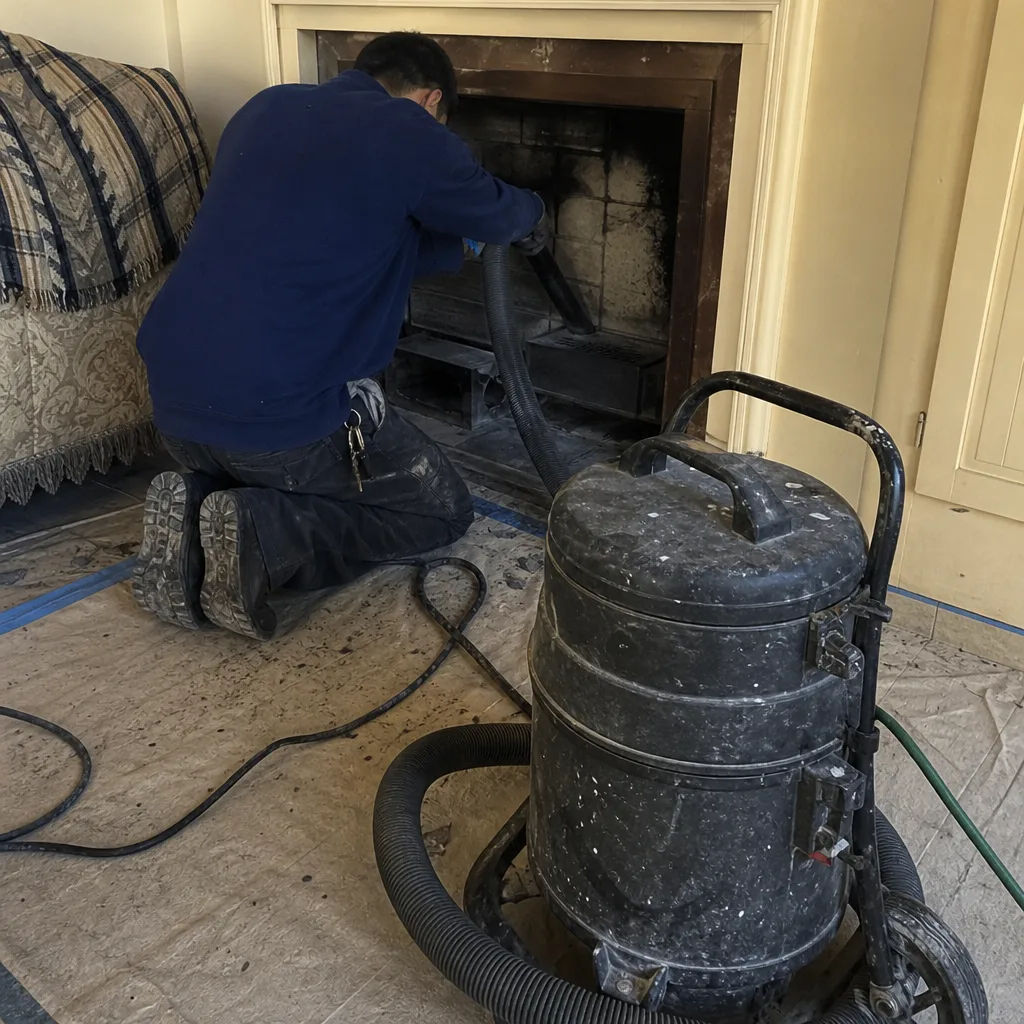 Before
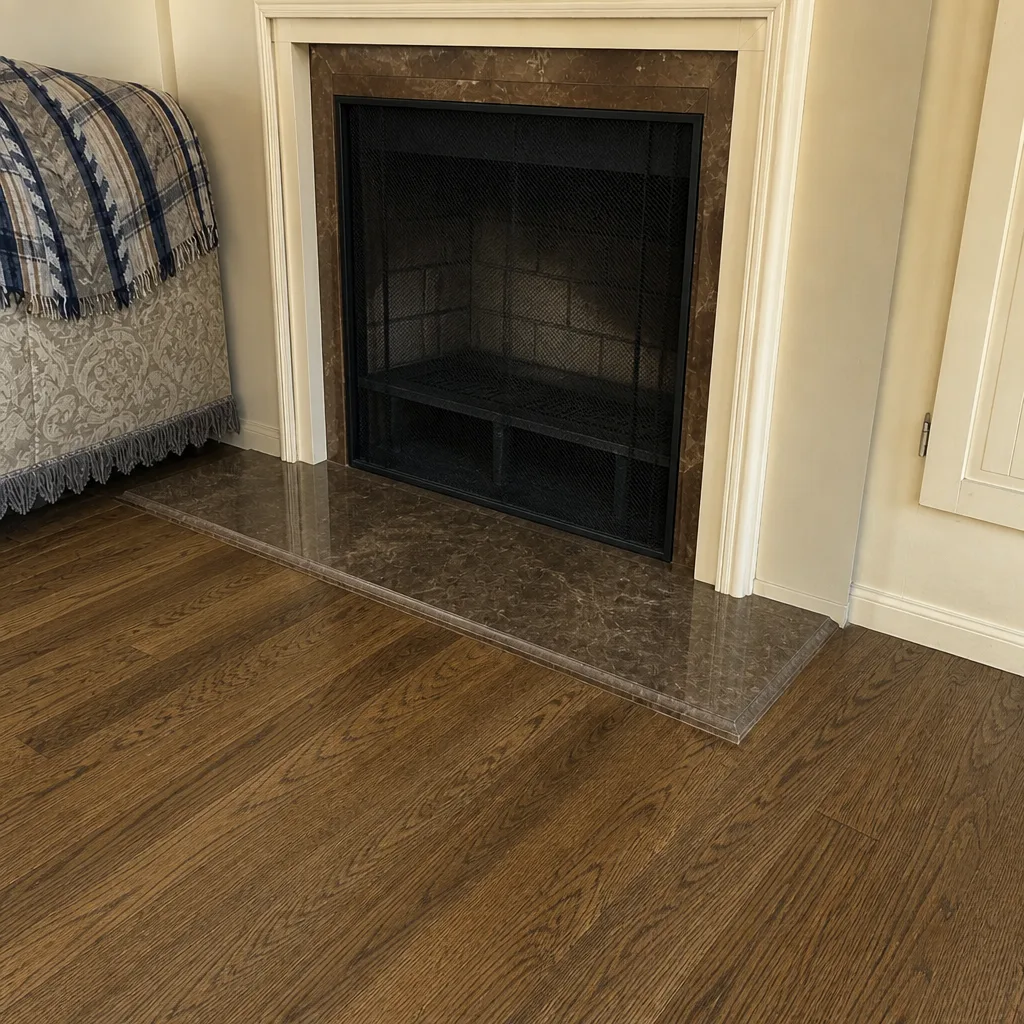 After
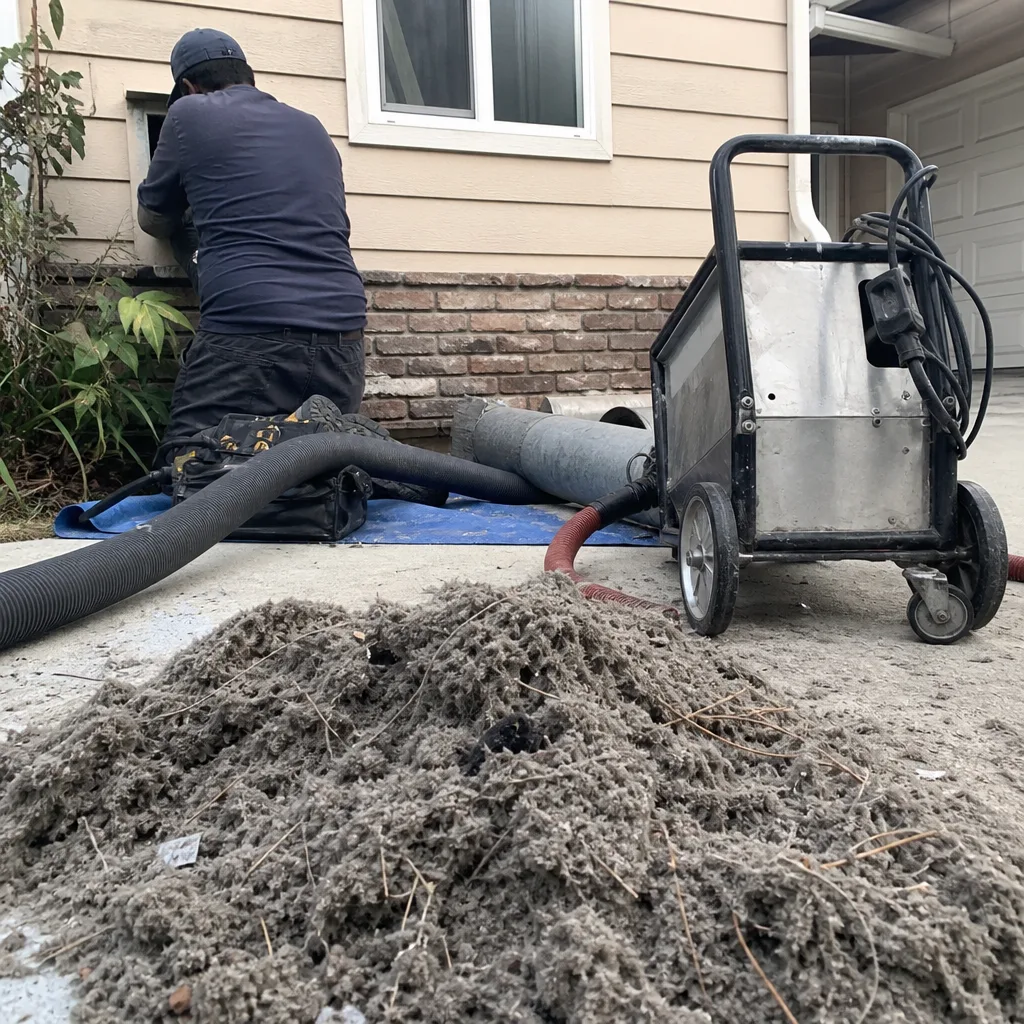 Before
 After
 Before
 After
When to Call a Professional
You need a professional duct cleaning when the evidence points to a system that needs attention, not as a routine annual habit sold to you on a schedule. Call a professional if you’re seeing visible dust blowing from the registers when the system kicks on, if you notice musty odors when the HVAC runs, if you’ve recently had renovation or construction work in the home, if you’ve never had the ducts inspected, or if anyone in the household has allergies or respiratory sensitivity and the system seems to aggravate it. Visible mold inside the ductwork or a pest problem in the system also warrants a professional inspection before anyone advises a cleaning. Floral Park Air Duct Cleaning offers free estimates in Floral Park – call (833) 966-4423, or see our main service page for what we cover.
Frequently Asked Questions
Duct cleaning is priced per system by a written estimate, and the range depends on the size of the home, the number of runs, access difficulty, and whether the work includes repair or sealing. We give one flat price per system, agreed before any work starts, with no per-vent pricing and no add-ons discovered on site. Call (833) 966-4423 for an exact quote – estimates are free.
Because the cheap quote is usually for a smaller job than the one you think you’re buying: fewer runs, a shorter cleaning, or a price that grows once the technician is on site through per-vent charges and “extras.” A quote that’s dramatically below the local market is a marketing figure, not a real one. Ask for a written price per system covering the whole job, and call (833) 966-4423 if you want to compare honestly.
Ask for before-and-after photos of your own duct interior, taken during the job. Photos of the actual system document that the ducts were opened, cleaned, and resealed. We provide them as part of the process. That’s the evidence; a receipt isn’t.
It depends on the home. Duct cleaning is not a fixed-schedule service; it’s warranted when the evidence calls for it, such as visible dust, musty odors, recent renovation, or a system that’s never been inspected. Some homes can go many years between cleanings, and some need attention sooner because of pets, construction, or system conditions. Call (833) 966-4423 if you want an honest assessment rather than a scheduled plan.
Not automatically. If the national brand franchises or subcontracts, the quality of your job depends on the local crew, not the logo. A specialist that staffs its own trained technicians and discloses its equipment is the better bet regardless of whether the name is national or local. We’re a Floral Park duct and air-quality specialist, and we’ll answer any question about our equipment and process.
Start with an inspection. Cleaning alone makes sense if the ductwork is intact. If the inspection finds leaky seams, disconnected runs, or damaged sections, cleaning without repair means the system re-contaminates and the leaks keep pulling in unconditioned air. We handle cleaning, repair, and sealing as one process, so what you get is a whole air pathway, not a quick pass with a vacuum. Call (833) 966-4423 for a free estimate.
The Bottom Line
The right air duct cleaning brand in Floral Park is the one that lets you evaluate the actual work. Judge a company on its equipment disclosure (specific systems, truck-mounted or portable), on whether its technicians are employees or subcontractors, and on whether it documents the job with before-and-after photos of your own ducts. Verify licensing and insurance in writing. Ask for one flat price per system, agreed before work starts, not a per-vent rate or a coupon price. And favor specialists who can repair and seal what they find over generalists with a duct line item. A company that answers all of that plainly is the company worth calling. We use Rotobrush and Nikro equipment, run Abatement Technologies air-quality tools, and handle cleaning, repair, sealing, and dryer vent work as a specialist team. Call (833) 966-4423 for a free estimate. We answer 24/7. Fast dispatch from 7am to 7pm, Sunday through Friday.
Written by the team at Floral Park Air Duct Cleaning.