
Last updated November 25, 2026
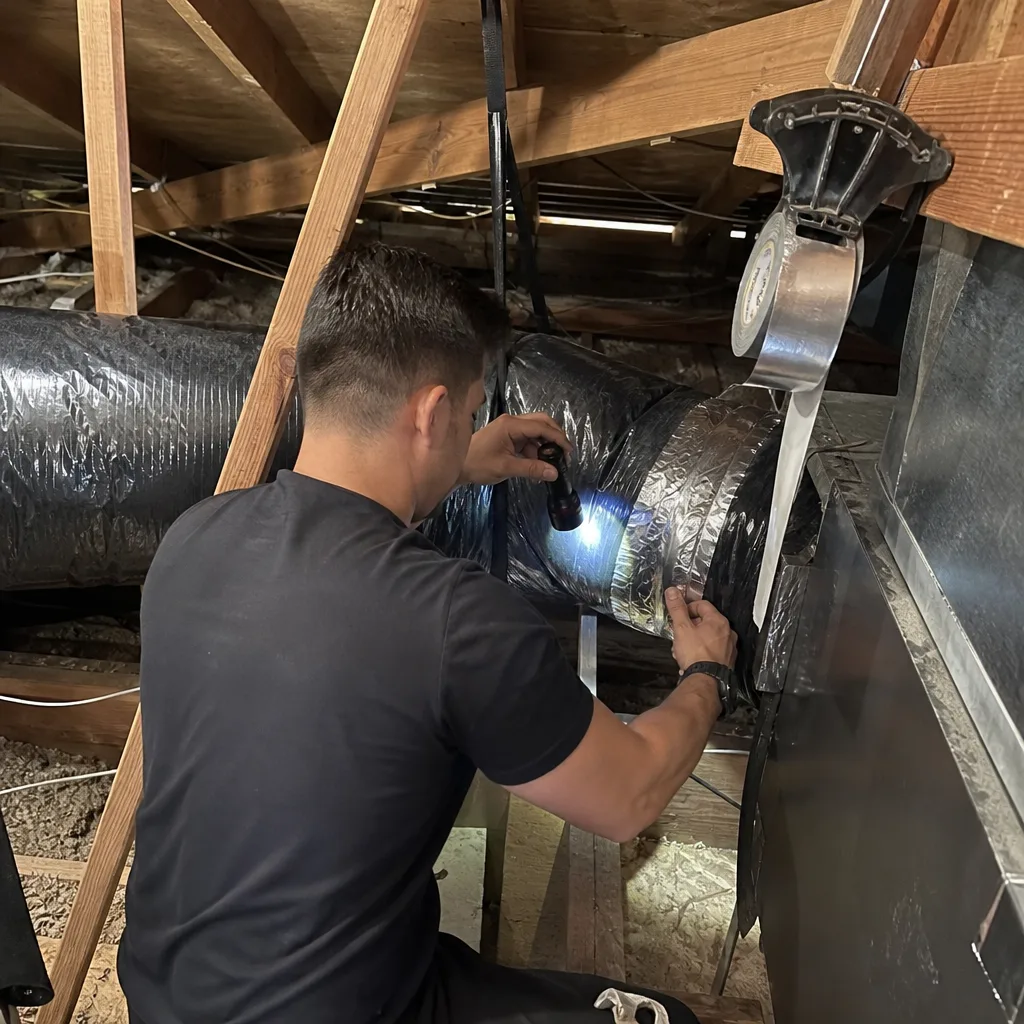
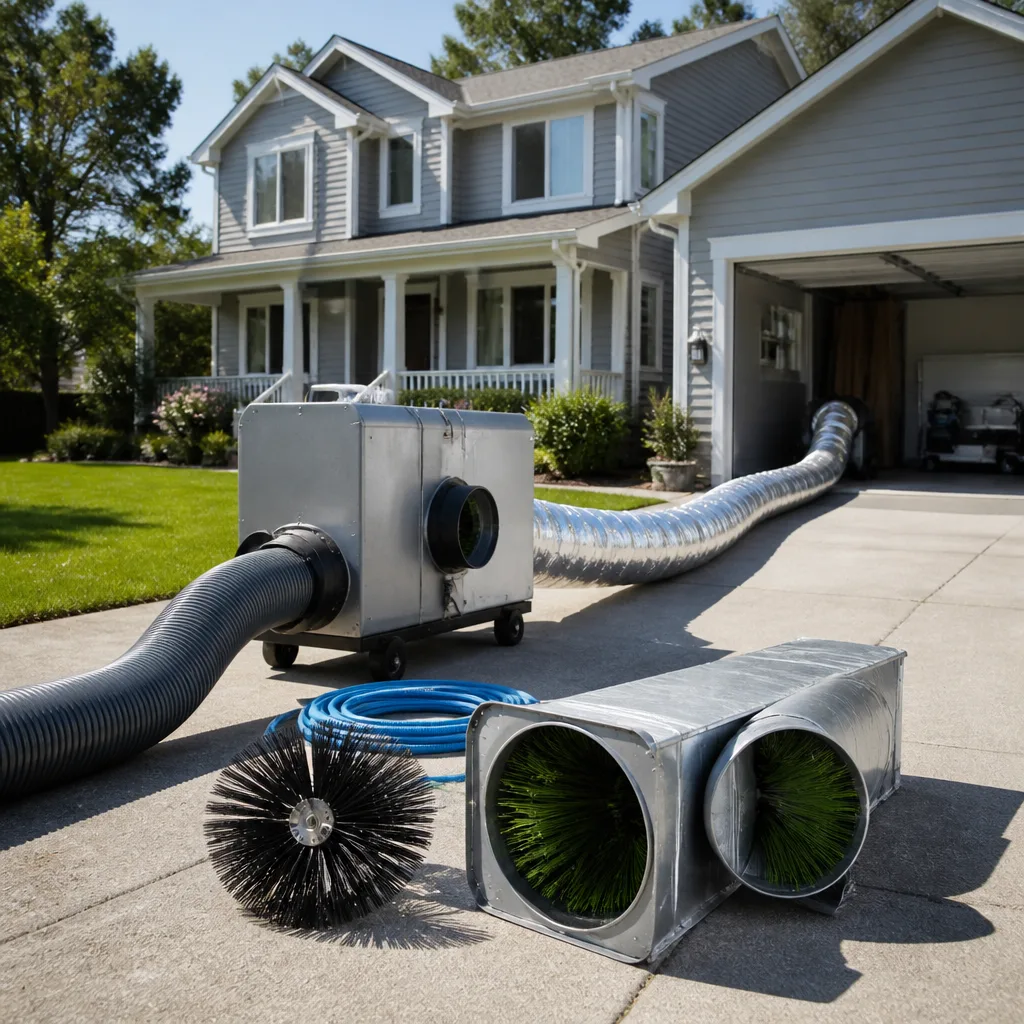 Whole-home duct cleaning
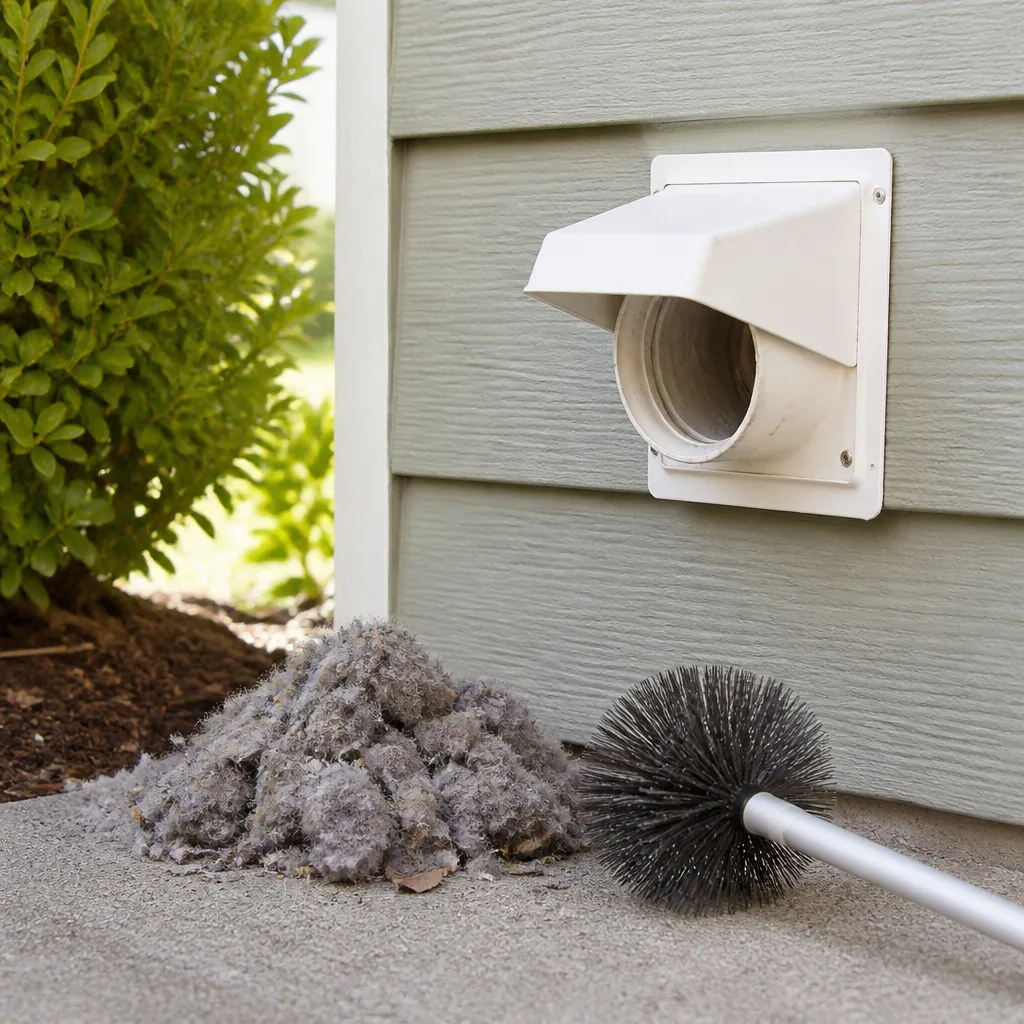 Dryer vent cleaning
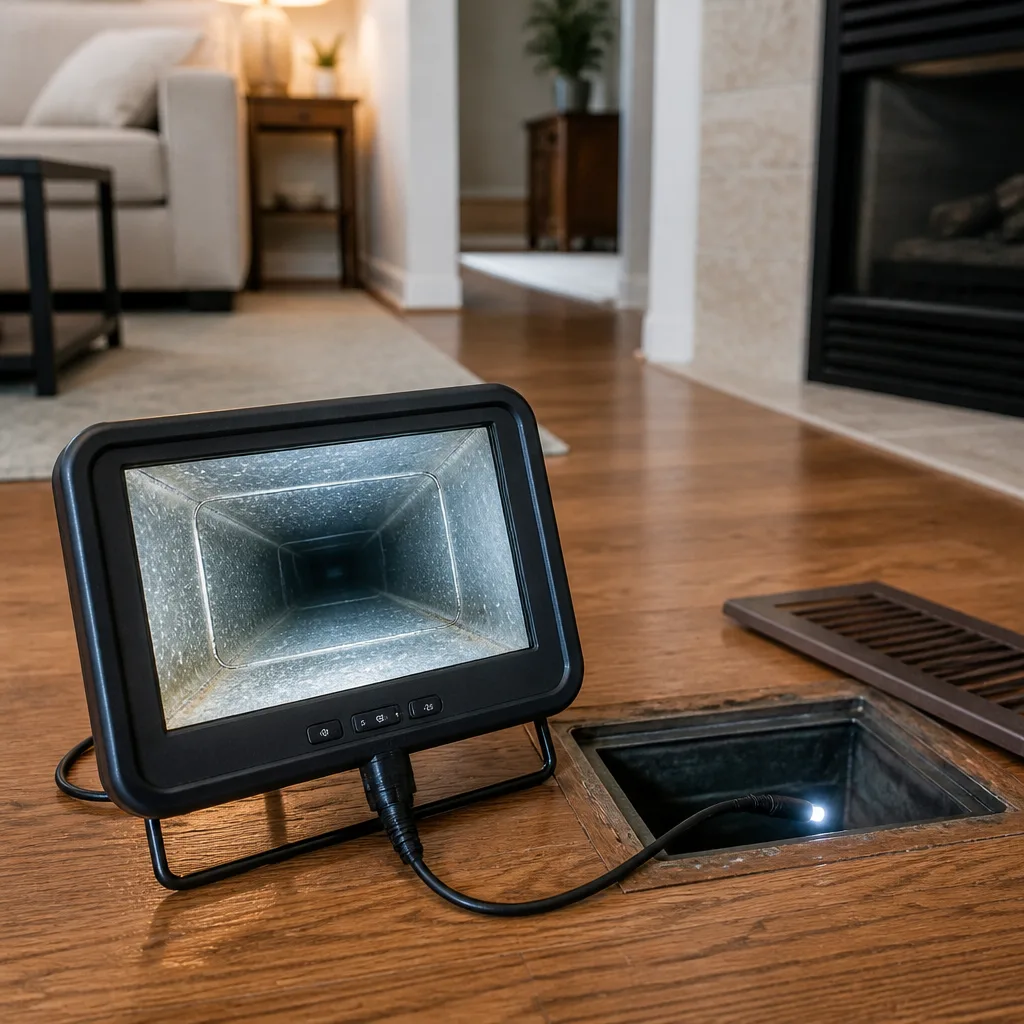 Camera inspection
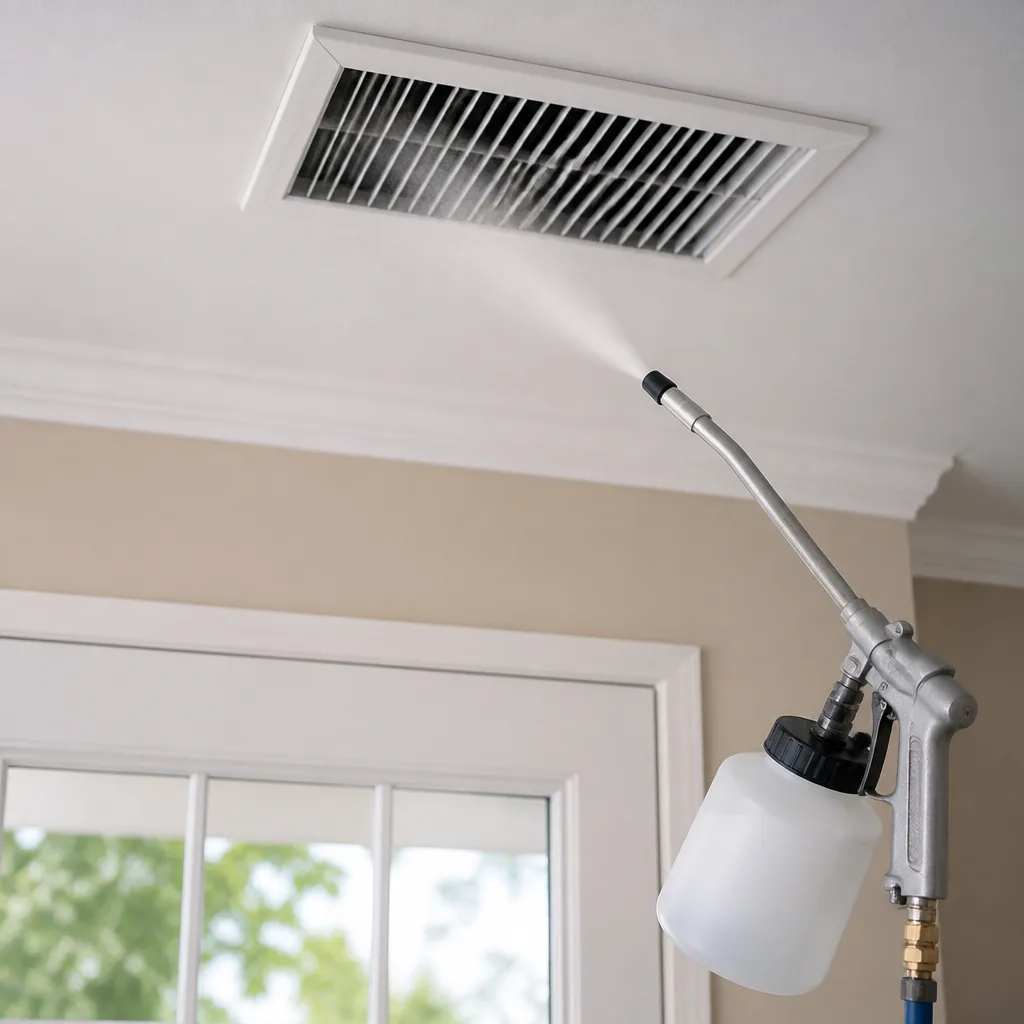 Sanitizing & deodorizing
Whole-system duct and dryer vent check with before-and-after photos - you see exactly what came out of your vents
That "$99 whole-house special" is a bait ad - the real number appears once they are in your hallway, or the "clean" is a shop-vac at the register. We photograph the inside of your ducts before and after instead.
How to Hire an Air Duct Cleaning Contractor in Floral Park: A Step-by-Step Guide
The cheapest duct cleaning quote in Floral Park is almost always a bait. Not because low prices are impossible, but because the contractor offering them is counting on you not knowing what to ask once they’re inside your house. The low number gets the foot in the door; the real invoice gets assembled in your hallway, one “while we’re here” add-on at a time. California has no statewide licensing requirement specifically for duct cleaning, so no license lookup will protect you here. What protects you is knowing exactly which questions to ask about equipment, process, and price structure before you book. That’s what this guide gives you.
Quick Answer
To hire an air duct cleaning contractor in Floral Park, get a written whole-system price (not a per-vent quote), ask for the specific equipment brands and vacuum setup they use, request a walkthrough of your ducts before work starts, and confirm the written scope covers every component of your air pathway. NADCA membership is a useful baseline filter but doesn’t verify workmanship or equipment quality. Ask process questions, not just license questions.
Styles & brands we work with
- Whole-home duct cleaning
- Dryer vent cleaning
- Camera inspection
- Sanitizing & deodorizing
Table of Contents
- Why There’s No Duct Cleaning License in California, and What to Check Instead
- What NADCA Membership Actually Verifies (and What It Doesn’t)
- Equipment Questions to Ask Before You Schedule
- Red Flags in a Duct Cleaning Quote
- How to Verify a Contractor’s Process by Asking for a Walkthrough
- What a Written Scope of Work Should Include for a Floral Park Home
- Per-Vent Pricing vs. Whole-System Pricing
- When to Call a Professional
Why There’s No Duct Cleaning License in California, and What to Check Instead
California does not issue a license specifically for air duct cleaning. A contractor’s general license may require a state contractor license for some work categories, but duct cleaning itself sits in a regulatory gap where anyone with a vacuum and a business card can advertise. This is the single most important thing to understand before you hire in Floral Park. It means the license check that protects you with an electrician or a roofer does not apply here, and you have to substitute something else in its place.
What you substitute is a process interview. Before scheduling, you’ll want to know how they clean, what equipment they use, what they leave behind, and what the written scope says. A licensed, insured company with a documented process is the baseline. So is proof of insurance, which you should ask for directly rather than assume. Ask for the certificate, ask who it covers, and ask for the effective date.
For a Floral Park home, you’re almost certainly on a standard split-system setup: a furnace or air handler in the garage, closet, or attic, a coil assembly, and supply and return trunk lines feeding registers through the living space. The system is not complicated, but it is a system, and that matters. A contractor who treats it as a set of disconnected vents will clean the visible parts and miss the trunk work that actually carries the airflow volume. The right question isn’t “do you have a license,” because they likely won’t. It’s “walk me through exactly what you’ll clean, in what order, and with what.”
If you want to understand the service itself before the hiring conversation, our page on air duct cleaning spells out what a full clean involves from the inside out.
What NADCA Membership Actually Verifies (and What It Doesn’t)
NADCA stands for the National Air Duct Cleaners Association, and it’s the closest thing the industry has to a governing body. Membership is a useful starting filter because it signals that a contractor has at least engaged with an industry organization and its published standards. But it’s important to understand exactly what it verifies, because a lot of homeowners assume it’s stronger than it is.
What NADCA membership verifies, at minimum:
- The contractor has joined a professional trade organization and agreed to its code of ethics.
- They have access to NADCA’s assessment, cleaning, and restoration standards, which describe a considered cleaning process.
- Their technicians may hold NADCA certifications such as ASCS (Air Systems Cleaning Specialist) or similar, depending on the company.
What NADCA membership does not verify:
- Every technician on every job has the certification; the company holds it, individuals may or may not.
- The specific equipment used on your job is professional-grade or appropriate for your system.
- The work was done well. There is no post-job industry audit.
- The price is fair, the price is whole-system, or there are no add-ons.
The right way to use NADCA is as a filter, not a finish line. Treat membership as a reason to take the company seriously, then run the equipment and process questions anyway. In Floral Park, where older homes often have original or partially replaced ductwork, the walkthrough and equipment answers will tell you more than the membership card does.
Equipment Questions to Ask Before You Schedule
The single best way to tell a specialist from an opportunist is to ask equipment questions. A company that does this every day will answer without hesitation and with specific equipment names. A company that runs a vacuum and a rotating whip out of the trunk of an unmarked car will get vague or defensive. Here are the questions that matter, and what a good answer sounds like.
1. What vacuum system do you use, and what’s its CFM rating? CFM means cubic feet per minute. Duct cleaning requires negative pressure inside the system strong enough to pull dislodged debris back toward the vacuum rather than out into your living room. A typical shop vac doesn’t come close. Commercial extraction units in the range of the primary HEPA vacuum systems used by restoration contractors move far more air. Ask for the number. If they can’t tell you, that’s your answer.
2. What brush system do you use? The industry standard is a rotary brush system, which is what Rotobrush builds. Manual brushes and air whips are cheaper and less thorough. Ask whether they use a rotary brush and what the brush is driven by. A serious answer will name the system, often Rotobrush or a comparable professional rotary setup.
3. How do you verify negative pressure before you start? The vacuum has to be connected and running before any debris is agitated. Ask them to explain the sequence: vacuum connected, system sealed, airflow verified, then agitation begins. If the sequence is backwards, they’ll be blowing dust into your home.
4. What does your containment setup look like? At the registers and at the air handler, they should be sealing off openings to prevent cross-contamination. Abatement Technologies is one of the names serious contractors use for containment and air-quality equipment, because it’s a contamination-control standard more commonly seen in remediation work. If they mention Abatement or a similar brand, that’s a good signal.
5. What equipment do you use for sanitizing, if any? Not every job needs sanitizing, but if you’re going to buy it, ask what product, what dilution, and how it’s applied. Our related page on HVAC cleaning covers how the coil and cabinet areas are handled, since those sit inside the same air pathway.
Red Flags in a Duct Cleaning Quote
In Floral Park, the same warning signs recur across the industry, and they show up on the quote before the technician ever knocks. Learn them and you’ll spot the bait before it’s inside your house.
- Per-vent pricing. A quote of “$X per vent” is the classic bait. The contractor counts 12 vents, quotes you a small number, then discovers mid-job that the trunk lines, the air handler, and the return plenum are “extra.” The real price doubles. Whole-system pricing, given in writing before work starts, is the honest structure.
- Add-on pressure at the door. “Your ducts are full of mold” or “we found rodents in the plenum” is a script, not a finding. A real contractor shows you photographs of what they see, before recommending anything. If they want to upsell sanitizing, sealing, or UV, ask to see the evidence.
- Unmarked vehicles. Not proof of fraud, but a warning. A specialist who cleans ducts for a living usually arrives in a vehicle that identifies the company. When the vehicle is unmarked, ask for company ID and confirm the technician’s name against the booking record.
- No written scope. If the quote is one number on a phone screen, you have no agreement. A written scope is the difference between a service and a sales call.
- “We’ll be in and out in 45 minutes.” A proper full-system clean on a Floral Park split-system home takes hours, not minutes. Speed here is not a feature, it’s a symptom.
- Cash only, no receipt until after. A serious company invoices. If payment structure is unusual, that’s a question.
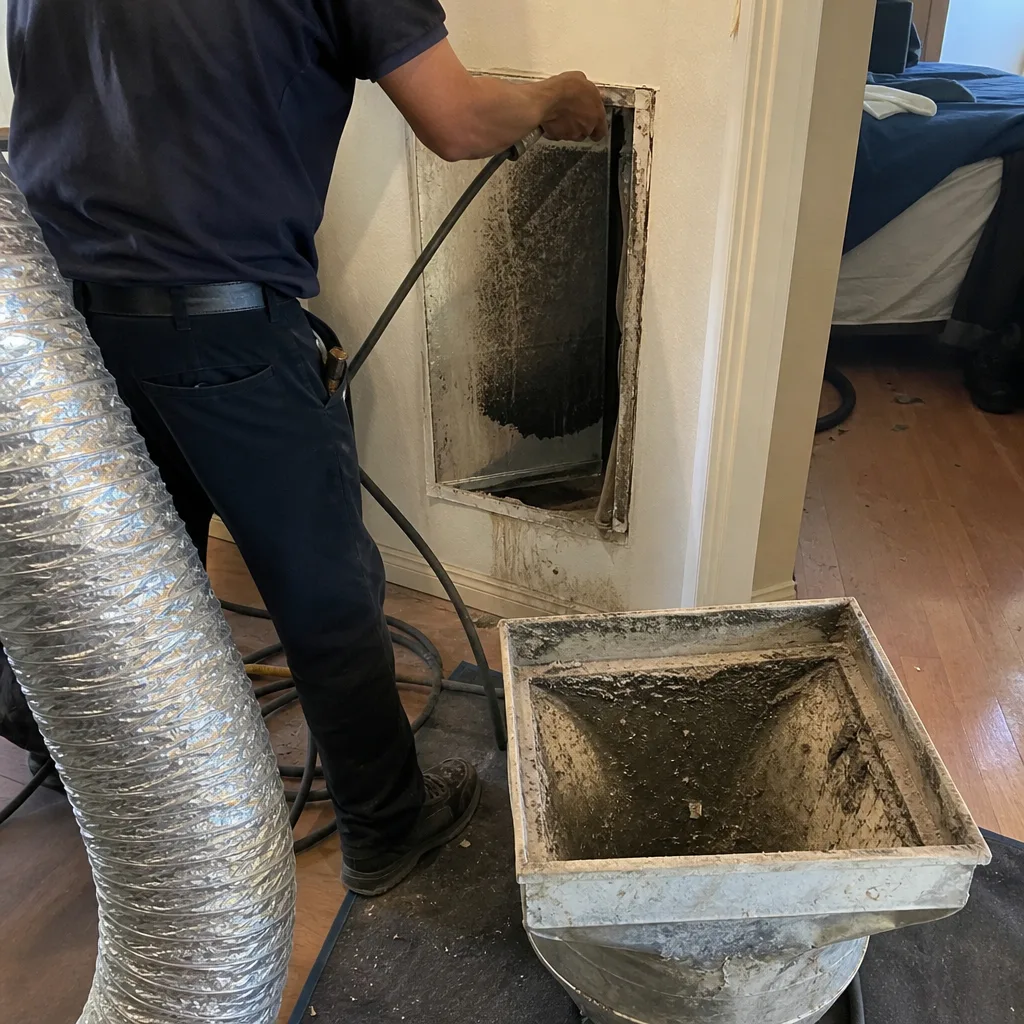
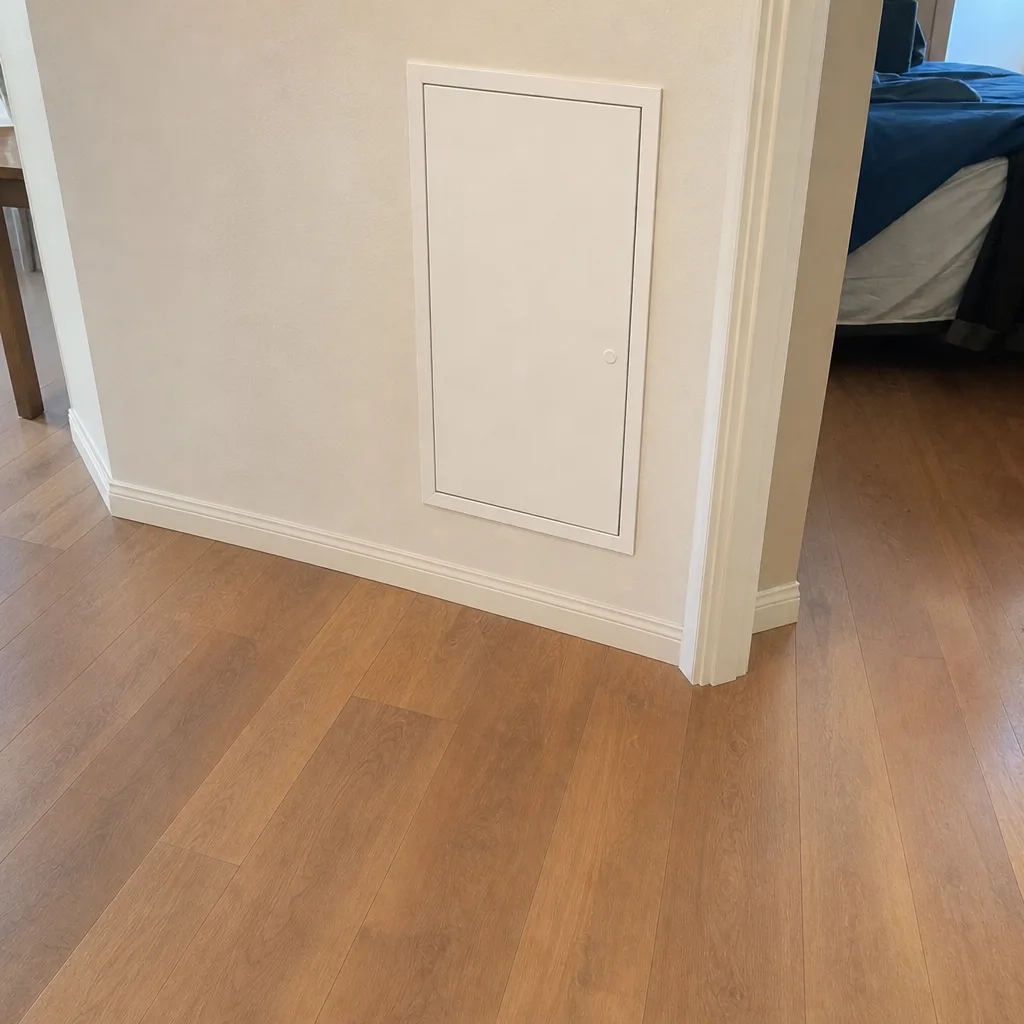
- No photographs before and after. Any contractor worth hiring photographs the ducts before and after the clean. It’s their record as much as yours.
One more Floral Park-specific note: our dry climate means ductwork holds more fine particulate than humid climates, and the accumulation is often invisible from the register. A contractor whose quote is based only on a visual glance at the register hasn’t assessed anything. They need to look inside the air handler cabinet and the trunk to have an opinion. If you ever have a fire-safety concern about the system, dryer vent cleaning is a separate service but a related one, and it’s worth asking whether it’s covered in any bundle you’re offered.
How to Verify a Contractor’s Process by Asking for a Walkthrough
Before any equipment enters your home, ask for a walkthrough. This is a conversation, not a sales appointment, and the timing matters: it should happen before the work begins, not after. A specialist will walk the system with you and point out what they’re going to do in each zone. Here’s how to structure it.
- Start at the air handler. Ask to see the filter slot, the coil, and the inside of the cabinet. A serious walkthrough includes lifting the access panel and looking inside. If they won’t open it, they can’t clean it.
- Walk the supply side. Go to the registers together. Ask which register gets the rotary brush first, and how the brush reaches the trunk from the register access. Listen for a process, not a promise.
- Locate the return plenum. Ask where the return air enters the system and how they access it. Returns are often hidden in a hallway or ceiling; a contractor who doesn’t know where yours is hasn’t looked.
- Ask what gets sealed. Sealing matters because a cleaned system that isn’t sealed will re-contaminate. Ask what gets taped, what gets brushed, and how the system is verified sealed afterward.
- Confirm the vacuum connection point. Ask where the collection vacuum connects and how negative pressure is verified before agitation. Then watch them do it.
- Ask what won’t be cleaned. Honest contractors tell you what’s out of scope. If everything is in scope for one price, ask twice.
The walkthrough is also where you get a feel for the company. A technician who explains the system plainly and answers equipment questions with specific brand names (Rotobrush, Nikro, or comparable) is doing the job. A technician who pivots every question back to a discount is not. At Floral Park Air Duct Cleaning, our technicians have up to 11 years of experience, and we treat the walkthrough as part of the service, not an upsell.
What a Written Scope of Work Should Include for a Floral Park Home
A written scope is a short document, no more than a page, that describes exactly what will be done, with what, and for how much. For a standard Floral Park split-system setup, it should include every one of the following. If any of these are missing, ask. If they can’t be added, walk.
- Whole-system pricing. One number for the whole job. Not per-vent, not “starting at,” not a range contingent on undiscovered add-ons.
- List of components covered. Supply registers, supply trunks, return registers, return trunk, air handler cabinet, coil area, and any accessible plenum. Label each as covered or not covered.
- Equipment identified. The vacuum system name or model, the brush system (rotary, e.g. Rotobrush or a comparable Nikro system), and any containment equipment. A scope that says only “professional equipment” is not a scope.
- Sanitizing scope if included. Product named, application method described, and whether it’s pre- or post-clean.
- Repair and sealing clause. If the contractor finds disconnected joints, crushed sections, or open seams, is that fixed at the quoted price or priced separately? We bundle Floral Park Air Duct Cleaning service categories for this reason: cleaning without repair just re-contaminates.
- Photograph clause. Before-and-after photographs of your own system, delivered to you. Not stock photos, not a template. Your ducts.
- Filter recommendation. What filter MERV to run afterward, and whether the contractor recommends a specific brand (Honeywell and Aprilaire are the common names, and compatibility with those systems matters).
- Payment terms. When payment is due, how it’s collected, and what happens if work is incomplete.
Get this in writing, by email or on paper, before the truck pulls up. Review it once more when the technician arrives: if anything in the scope changes on-site, it changes in writing, or it doesn’t change at all.
Per-Vent Pricing vs. Whole-System Pricing
Per-vent pricing is the most common bait-and-switch in the industry. Whole-system pricing is the honest alternative, and it’s what a specialist will quote without prompting. The difference is worth spelling out because it’s the single clearest test of who you’re dealing with.
Per-vent pricing means you’re quoted a number per register. A Floral Park split-system home might have 8 to 15 registers plus returns, so the quote looks attractive on the phone. Once the technician is inside, the story changes: the trunk lines, the air handler, and the returns all turn out to be “extra,” because they weren’t in the per-vent number to begin with. Add-on sanitizing, add-on sealing, and add-on filtration complete the picture. The final invoice often bears no resemblance to the phone quote.
Whole-system pricing means the quote covers the entire air pathway as one job. Supply, return, trunks, air handler, coil cabinet: one number, agreed in writing, before work starts. Any add-on (sanitizing, sealing, filter upgrade) is listed separately and priced separately, visible up front. If you decline it, the base price doesn’t change.
Two practical rules of thumb:
- If the quote has a per-vent number, ask for the whole-system number and compare the two directly.
- If the quote has a “starting at” number, ask for the maximum. A starting-at quote is a floor, not a price.
The written estimate sets the final price. That’s the standard, and any contractor who won’t commit to it is telling you what the job will look like.
Common Mistakes to Avoid
- Booking the cheapest phone quote without a written scope. In Floral Park, the cheapest number is usually the first number of a longer invoice. Get the scope in writing and compare it to the price.
- Assuming a state license protects you. California doesn’t license duct cleaning as its own category. The license check that protects you elsewhere doesn’t apply to this trade, so substitute process and equipment questions.
- Accepting “we clean all the vents” as a description. The vent is the smallest part of the system. Ask what happens inside the trunk and at the air handler.
- Skipping the walkthrough. Booking without a walkthrough means you don’t know what you’re buying until it’s underway. A walkthrough is free and tells you everything.
- Buying sanitizing before you see the inside. Sanitizing may be appropriate, but only after a walkthrough reveals what you’re actually treating. It shouldn’t be bundled as a default.
- Ignoring the dryer vent. Floral Park homes have dryer vents too, and they’re a fire-safety concern independent of the air ducts. Ask whether that’s handled.
- Not keeping the before-and-after photos. Those photos are your evidence. Store them, because “did the job get done” is much easier to answer later with a record.
See the difference
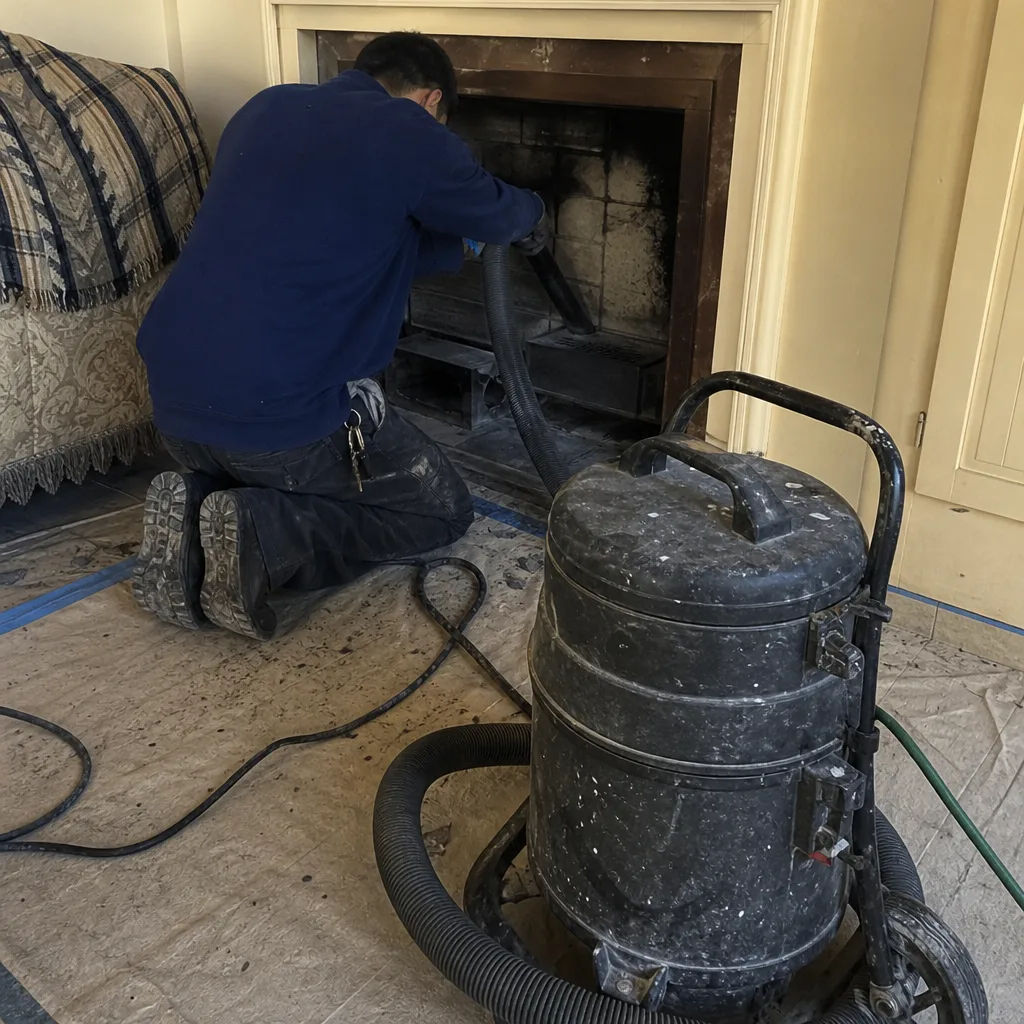 Before
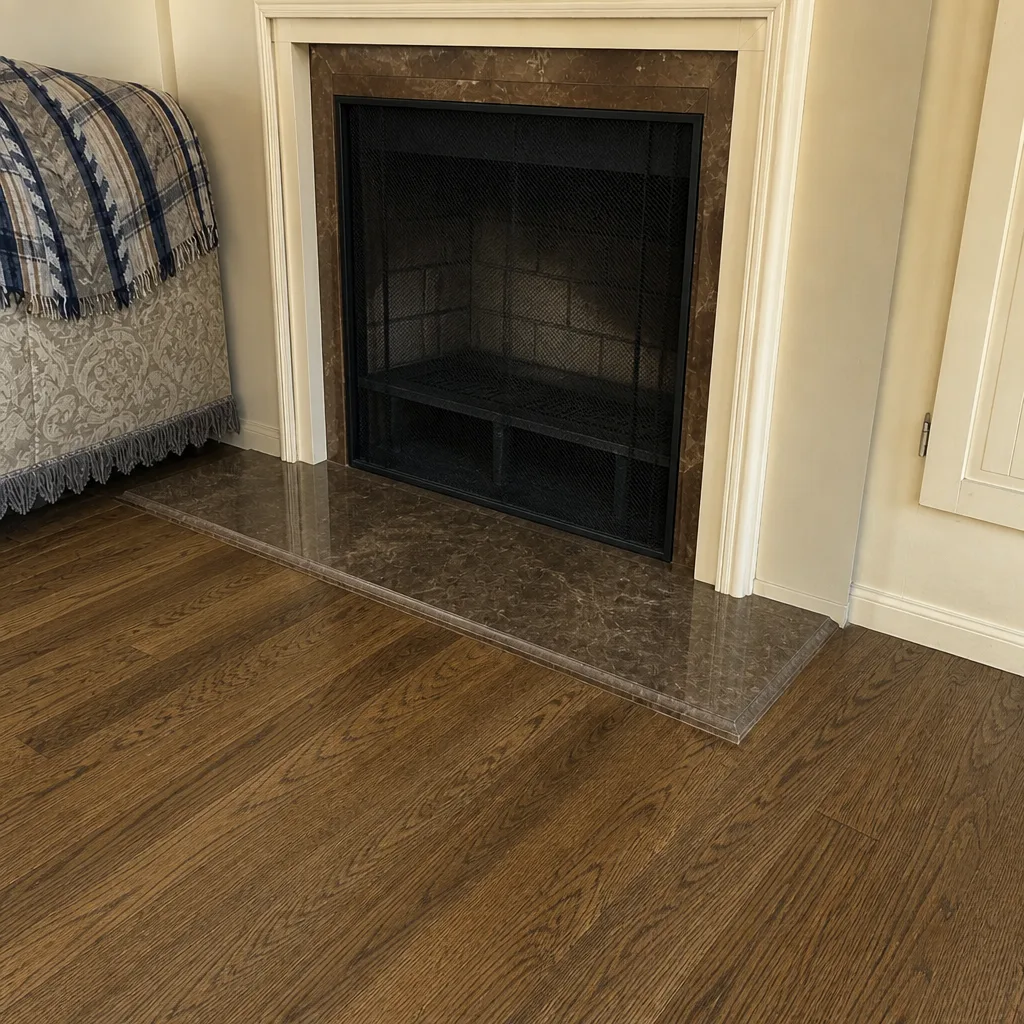 After
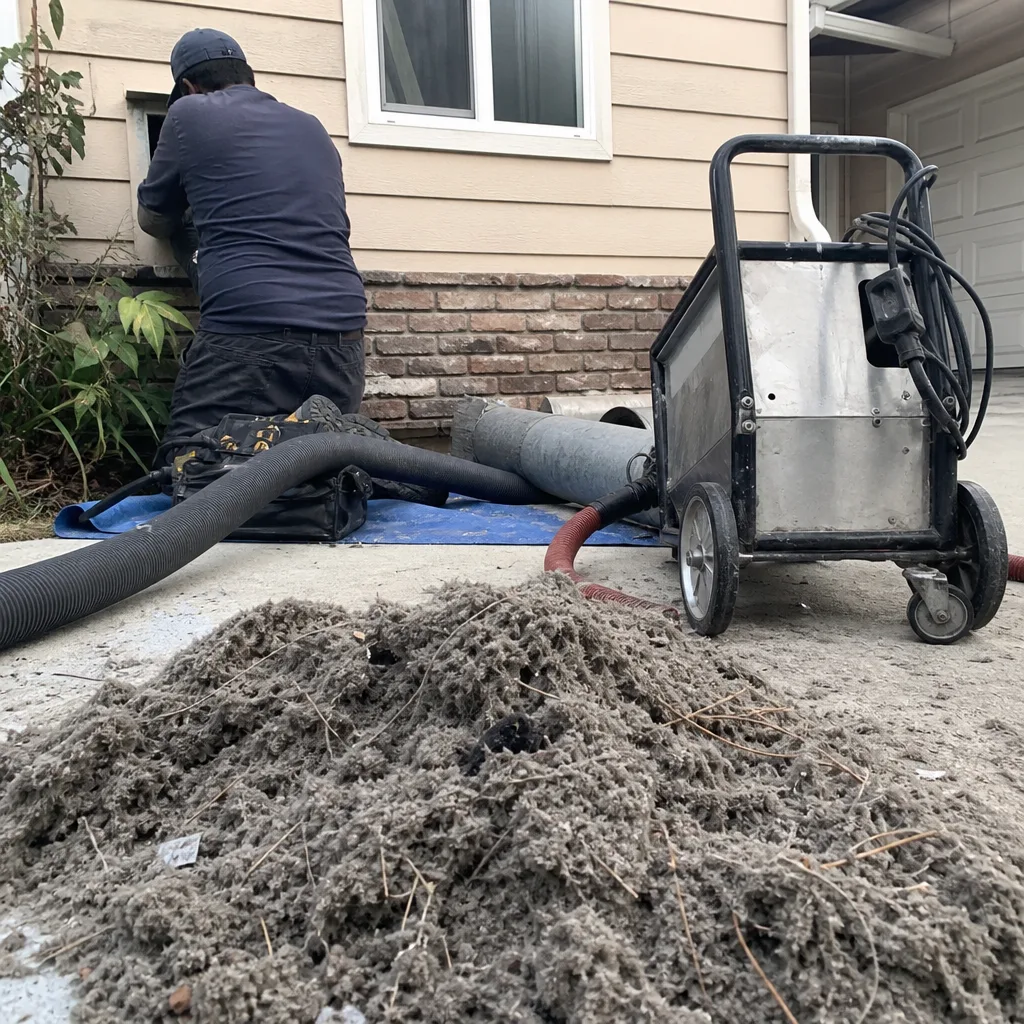 Before
 After
 Before
 After
When to Call a Professional
Some duct cleaning is routine, and some is prompted. In our experience, it’s the prompted category that gets put off too long. Call a professional if you’ve recently finished a renovation and drywall dust has been pulled through the returns, if anyone in the home has developed new respiratory sensitivity, if you’re seeing visible dust streaks around the supply registers, if the system has a musty smell when the fan runs, if you’ve noticed pest activity near the air handler, or if you simply can’t remember the last time the ducts were cleaned at all. A dryer vent that runs long, gets hot to the touch, or hasn’t been cleaned in years is a separate call and worth taking seriously. Floral Park Air Duct Cleaning offers free estimates in Floral Park. Call (833) 966-4423. We answer 24/7. Fast dispatch from 7am to 7pm, Sunday through Friday.
Frequently Asked Questions
California doesn’t issue a license specifically for duct cleaning, so a general state contractor license isn’t always required for this work. That means the license check you’d do for an electrician or roofer doesn’t protect you here; you need process, equipment, and written-scope questions instead. Ask for proof of insurance and a written scope before booking.
You know the work was done when the contractor provides before-and-after photographs of your own system, not stock photos. Ask for a walkthrough before work begins, watch the vacuum connect and the rotary brush start, and ask for the photo record in writing. If any of those steps is missing, ask why before paying.
Cheap quotes are almost always per-vent quotes that exclude the trunk lines, air handler, and returns, then add those back on-site at a higher price. Whole-system pricing gives you the full cost up front. If a quote looks unusually low, ask for the whole-system number in writing before you book.
A serious duct cleaner brings a commercial HEPA extraction vacuum with a CFM rating high enough to pull dislodged debris, a rotary brush system (Rotobrush or a comparable professional system such as Nikro), and containment equipment for the registers and air handler. Air whips and shop vacuums aren’t adequate for a whole-system clean.
A full clean covers supply registers, supply trunks, return registers, return trunk, air handler cabinet, and coil area, with negative pressure verified before agitation and photographs taken before and after. If the written scope doesn’t list each of those components, it’s incomplete.
Not on a fixed schedule. Homes with pets, recent renovations, allergy sufferers, or visible dust at the registers usually benefit more often than a low-occupancy home without pets. A walkthrough will tell you what your system actually looks like and whether it’s time. Call (833) 966-4423 for an exact estimate. Estimates are free.
The Bottom Line
The duct cleaning industry in California doesn’t have a licensing wall to keep out the wrong operators, so the wall has to be built out of questions. Whole-system pricing in writing, named equipment (Rotobrush, Nikro, or comparable professional systems), a walkthrough before the work starts, a written scope that lists every component, and before-and-after photographs of your own ducts. If a Floral Park contractor answers all of those in specifics, you’re dealing with a specialist. If they pivot to a discount, they’re not. The written estimate sets the final price. Everything else is conversation.
Ready to book a walkthrough in Floral Park? Call (833) 966-4423 for a free estimate. We answer 24/7. Fast dispatch from 7am to 7pm, Sunday through Friday, closed Saturday.
Written by the team at Floral Park Air Duct Cleaning.