
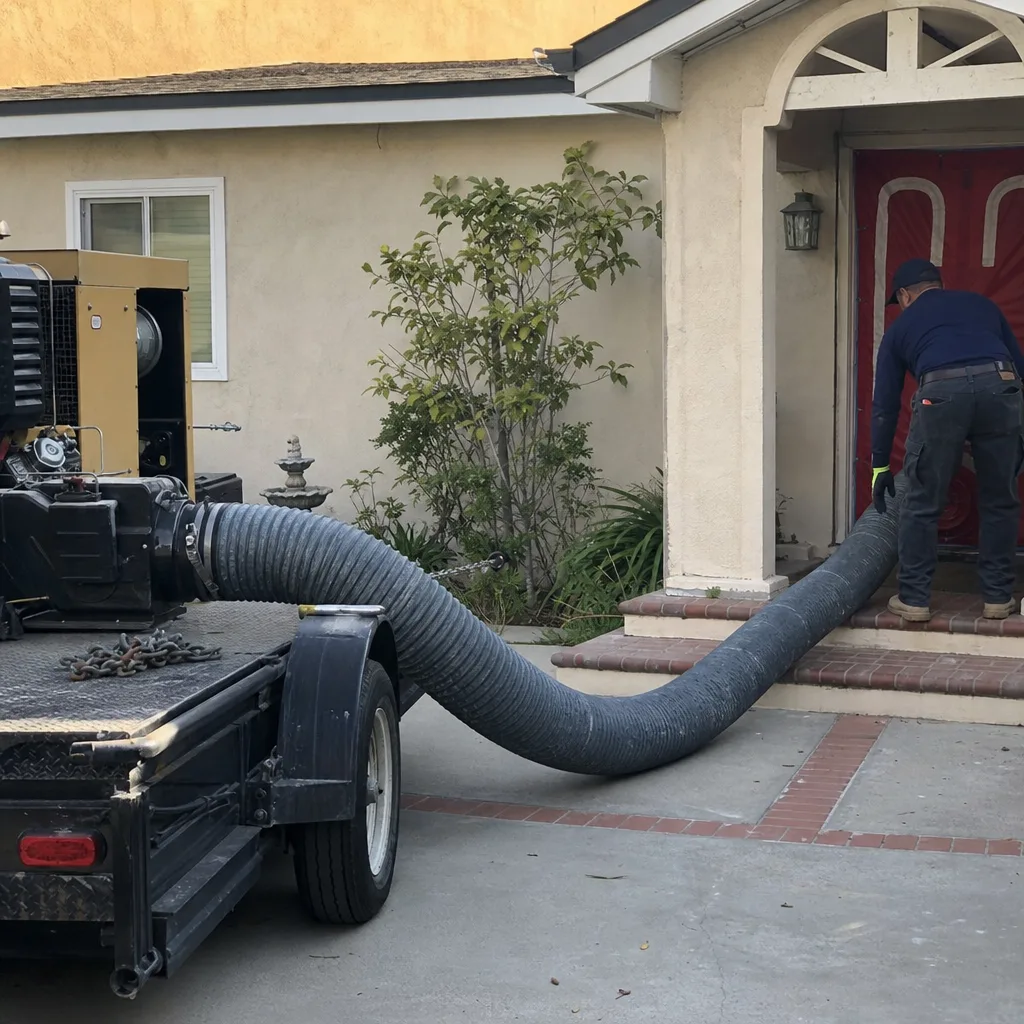
Last updated November 25, 2026
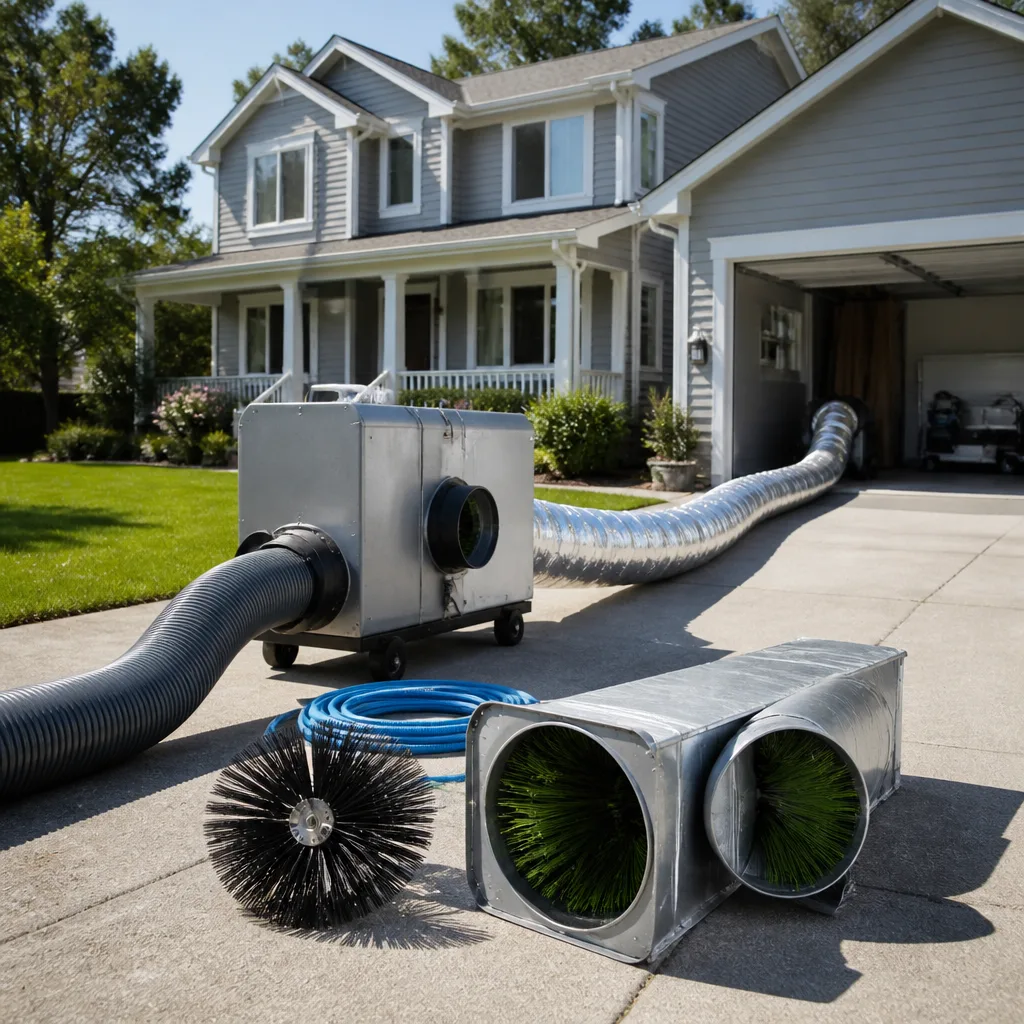 Whole-home duct cleaning
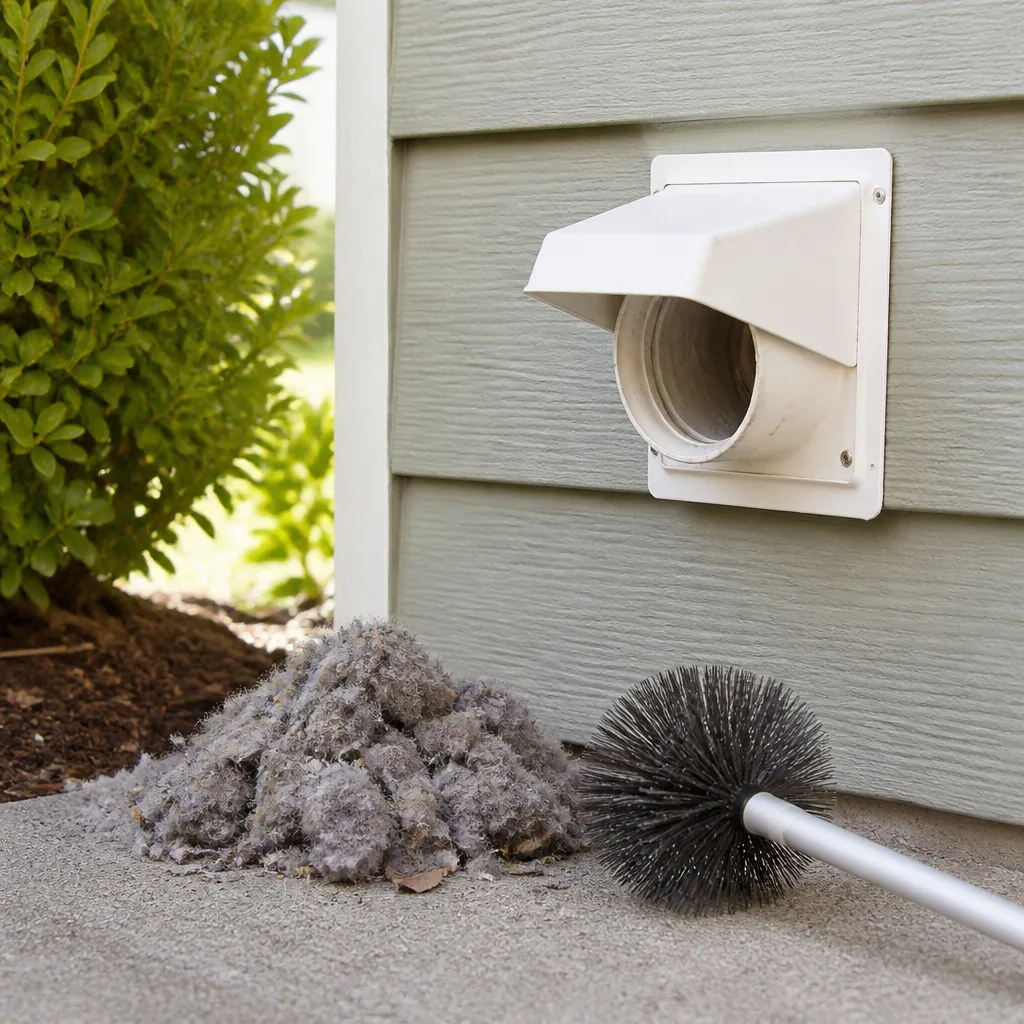 Dryer vent cleaning
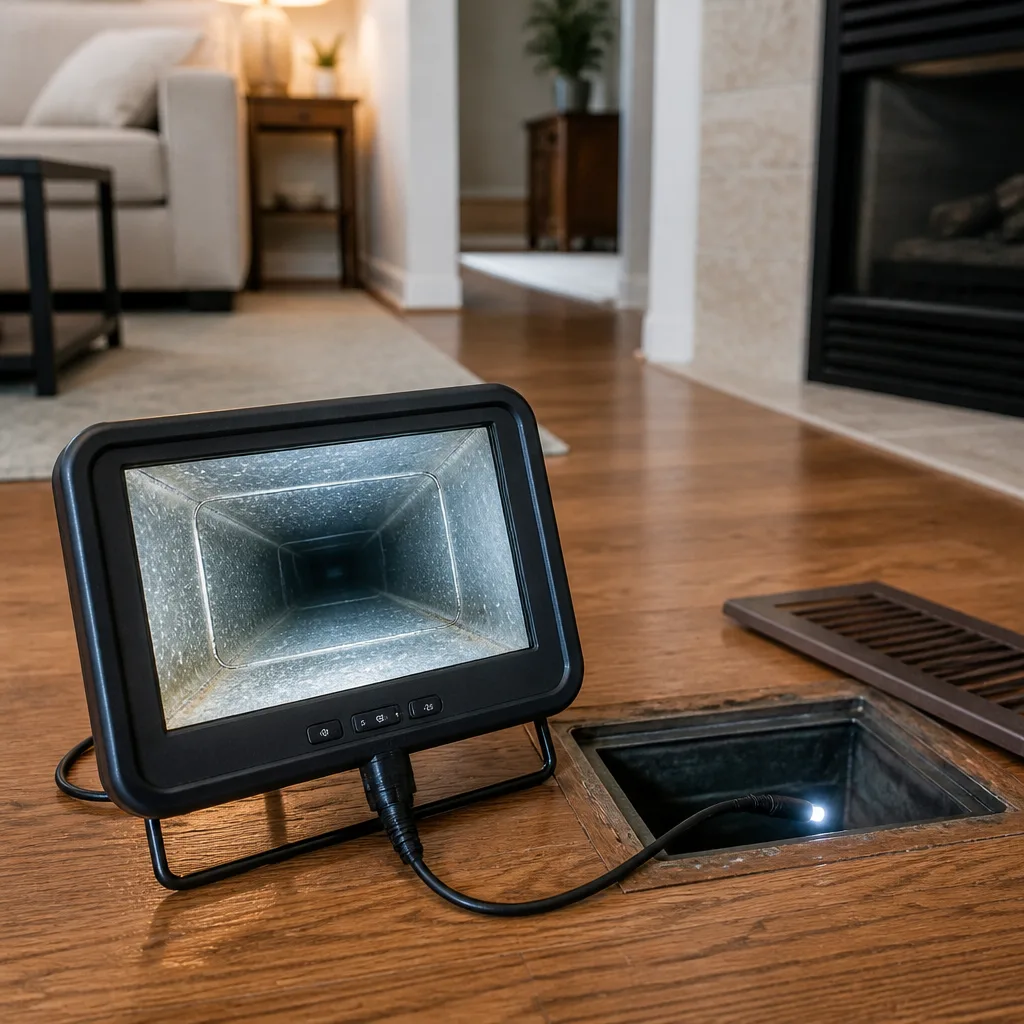 Camera inspection
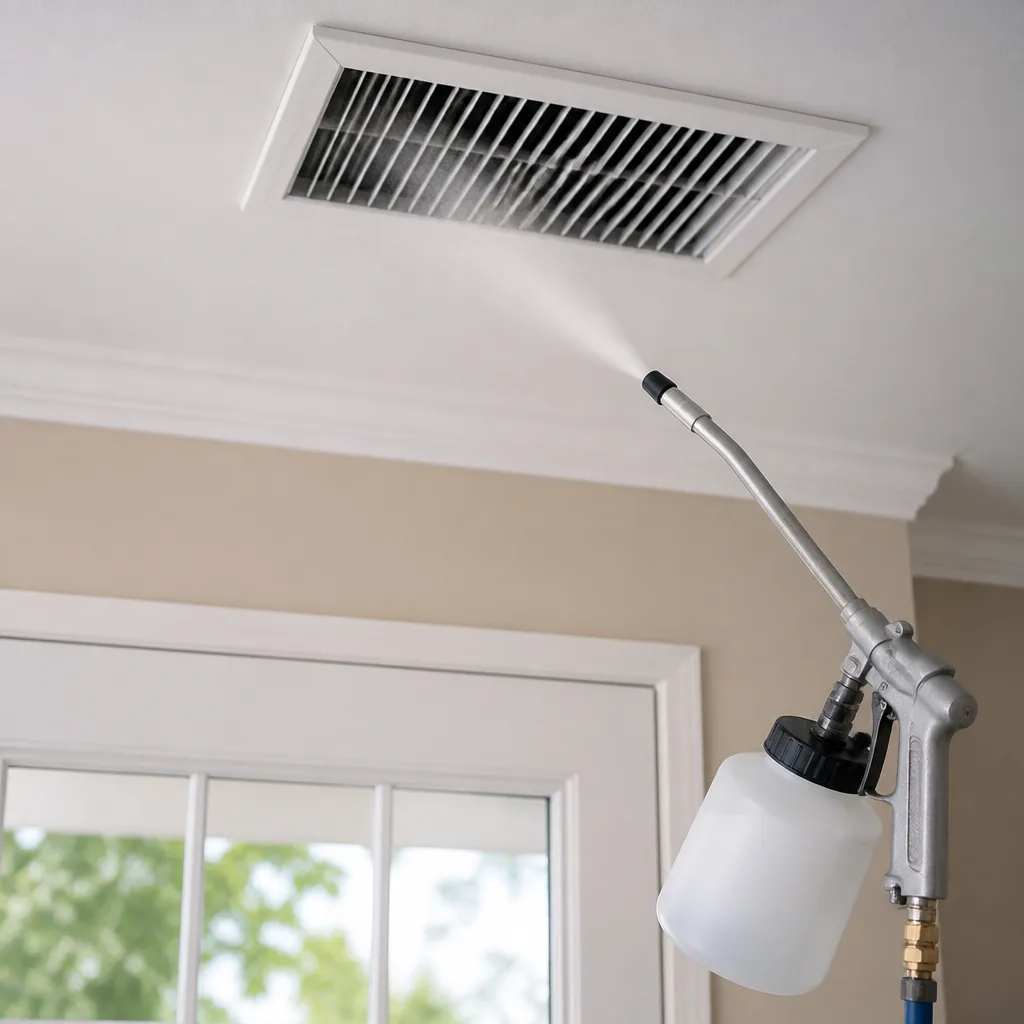 Sanitizing & deodorizing
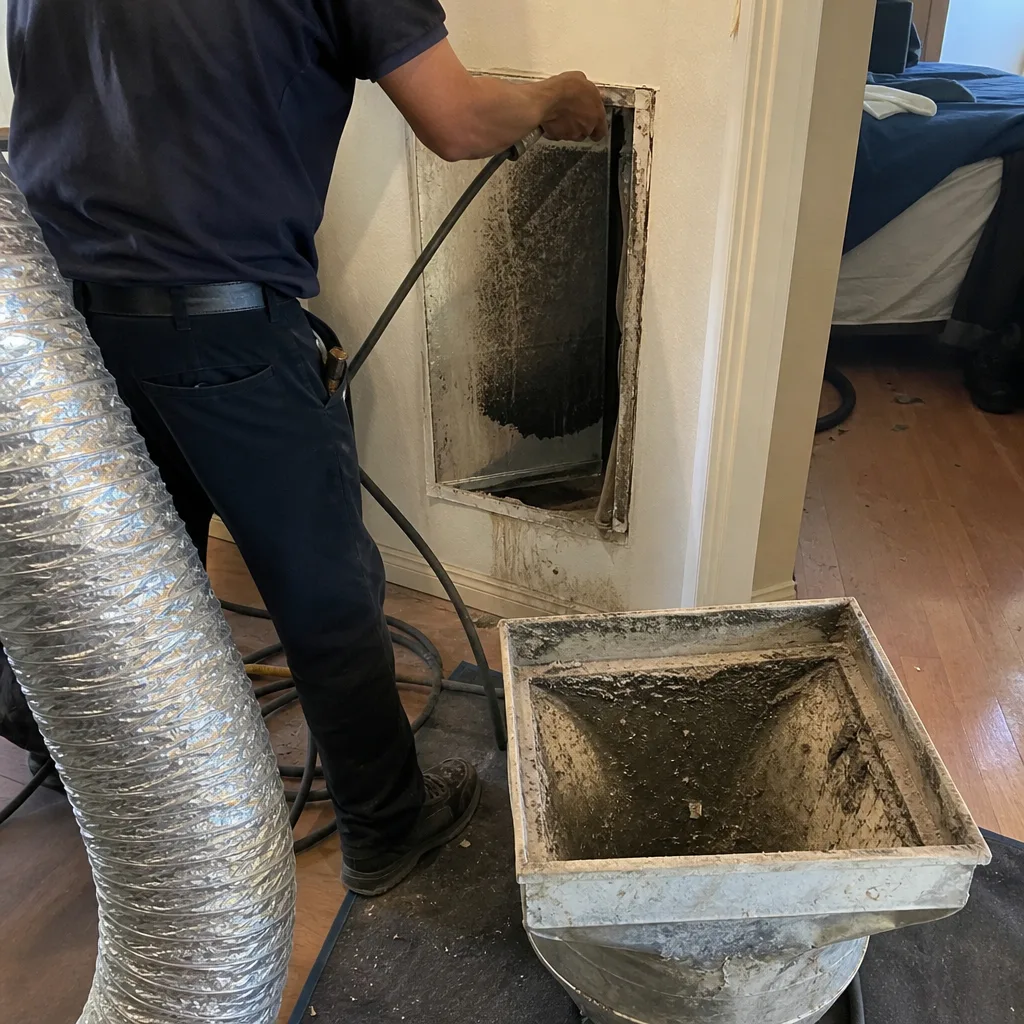
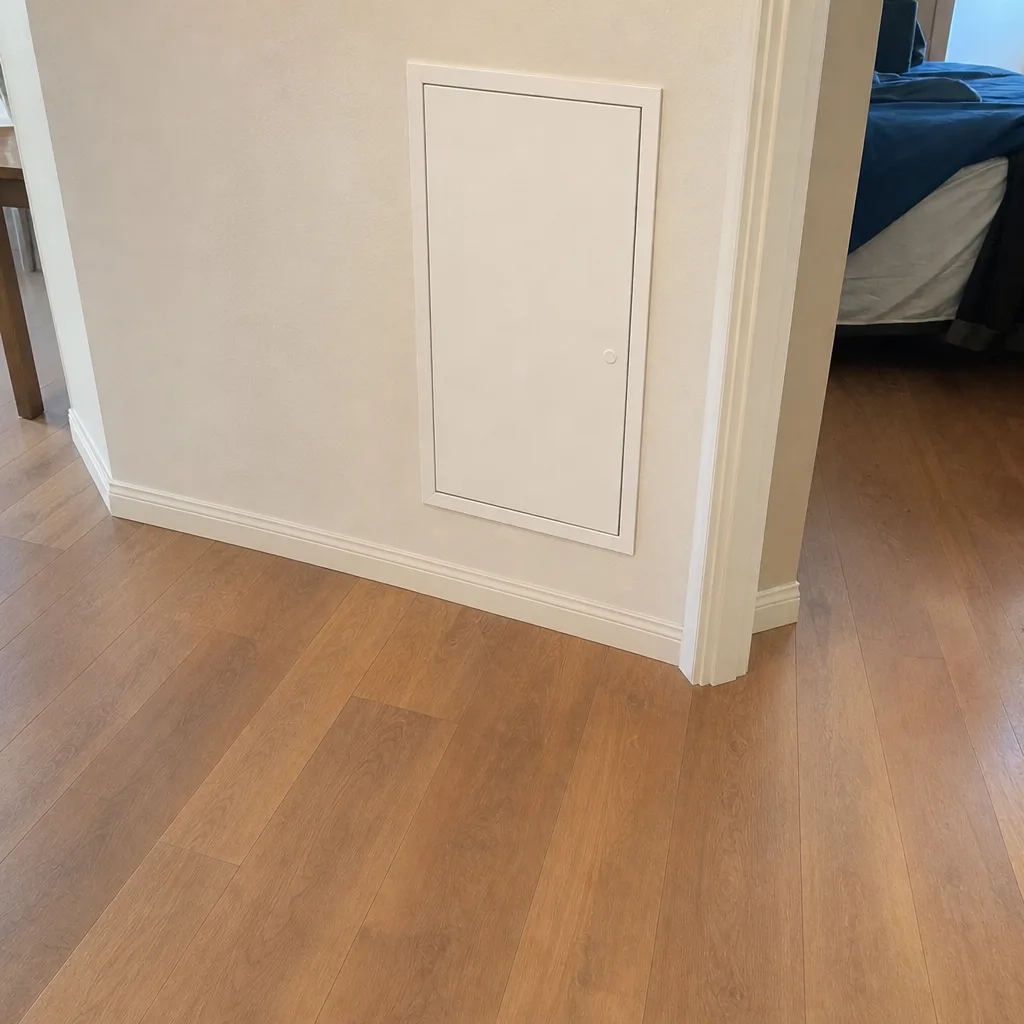
Whole-system duct and dryer vent check with before-and-after photos - you see exactly what came out of your vents
That "$99 whole-house special" is a bait ad - the real number appears once they are in your hallway, or the "clean" is a shop-vac at the register. We photograph the inside of your ducts before and after instead.
DIY vs Professional Air Duct Cleaning: The Floral Park Homeowner’s Decision Guide
You can rent a “duct cleaning kit” at a hardware store, run it for two hours, and move real dust. You’ll see it in the register, maybe on the floor beneath it. And you can still leave most of the contamination load in the system completely undisturbed. That’s the part the rental kit leaves out. The gap between what you can reach and what’s actually sitting in the plenum, the trunk lines, and the branch runs isn’t a gap in effort. It’s a gap in equipment. This guide breaks down exactly where that line sits, what a homeowner can legitimately handle, what conditions make DIY a bad idea, and how to decide for your own Floral Park home based on what your system actually looks like rather than a rental price tag.
Quick Answer
Running a brush or shop vac through your own registers can clear visible dust from the last few feet of ductwork, but it can’t perform source-removal cleaning. Real duct cleaning requires the negative pressure and airflow that only equipment like a Rotobrush or a truck-mounted Nikro vacuum generates. For a Floral Park home with visible debris accumulation, a history of pets or allergy symptoms, or a system that hasn’t been inspected, professional service is the honest answer.
Styles & brands we work with
- Whole-home duct cleaning
- Dryer vent cleaning
- Camera inspection
- Sanitizing & deodorizing
Table of Contents
- Why This Isn’t Really a Cost Question
- The CFM and Static-Pressure Thresholds That Separate the Two
- What a Homeowner Can Legitimately Do Themselves
- When DIY Makes the Problem Worse
- What Professional Equipment Actually Does
- The Decision Tree: What Condition Is Your System In?
- What Whole-System Cleaning Costs and Why It Makes Sense
- Safety: When to Leave It Alone
Why This Isn’t Really a Cost Question
Almost every homeowner who searches for “DIY duct cleaning” is trying to save money. That’s fair. Before you weigh dollars, though, it helps to understand that the DIY-versus-professional question is fundamentally about equipment capability, not technique. A careful homeowner with a good flashlight can inspect ductwork better than a rushing technician. What they can’t do is change what their equipment is physically capable of moving.
Here’s the reality of the situation. Contamination in a duct system isn’t floating in the air where a small vacuum can grab it. It’s settled, stuck to the walls, and often compacted along the bottom of trunk runs and near elbows where airflow slows down. To get that out, you need two things working together: mechanical agitation to break the bond, and enough sustained negative pressure to carry the dislodged material all the way to a collection point. Miss either one and you’re just stirring dust.
That’s why professional duct cleaning is measured in source removal, not wipe-down. The goal is to physically extract the contamination from the system, not just disturb it. Whether a homeowner can do that themselves comes down to whether their equipment can generate the airflow and vacuum needed. Almost all consumer equipment can’t. And that’s the whole argument in a sentence.
In Floral Park, the climate works in your favor on one front and against you on another. Mild winters mean your system runs fewer heating hours than in colder parts of the country, so dust accumulation inside the ductwork tends to build up over a longer stretch rather than being baked into place. But the same mild air means many Floral Park homes keep windows open well into fall and early spring, and the pollen, dust, and outdoor particulates that drift in get cycled back through the system rather than flushed by heavy continuous heating. That’s the pattern we see most often in this area.
The CFM and Static-Pressure Thresholds That Separate the Two
The technical language behind source removal is cubic feet per minute, or CFM, and static pressure. Professional duct cleaning equipment needs to hold meaningful negative pressure on a sealed duct system while a rotary brush is working inside it. Consumer vacuums, even the big shop vacs that look like serious machines, don’t come close.
A typical residential shop vac moves a modest amount of air at low or zero static pressure, meaning it pulls hard when nothing is in the way but struggles badly once duct resistance is added. Professional duct cleaning vacuums are engineered specifically for duct static pressure, with sealed collection systems and high-efficiency filtration built in. That’s exactly why they’re specified for this application. Without enough negative pressure, dust dislodged by a brush simply settles downstream in the duct again, often in a location you can’t see or reach.
Contamination isn’t a thin coating on the visible surface. It’s layered along the entire air pathway from return grille to supply register. What that means practically for a homeowner who’s thinking about doing this themselves:
- Consumer vacuums pull significant airflow only with no duct resistance. Once the hose is attached to a real duct run, airflow drops sharply.
- A shop vac was designed for wet or dry bulk pickup at the nozzle, not for holding a pressure differential across hundreds of feet of ductwork.
- Rotary brush systems (like the ones Rotobrush builds) are designed to work while a matching vacuum source captures what they loosen, so the debris travels to a sealed collection point rather than into your living room.
- Duct-mounted filtration and negative-pressure setups used in restoration work (like those from Abatement Technologies) reflect a contamination-control standard above what ordinary residential cleaning calls for.
You don’t need to know the exact numbers to make a good decision, but you do need to understand the principle: without enough negative pressure, the cleaning is cosmetic. Call (833) 966-4423 if you’d rather have this assessed than explained further. We answer 24/7. Fast dispatch from 7am to 7pm, Sunday through Friday.
What a Homeowner Can Legitimately Do Themselves
There’s real value in some DIY work, and it’s worth being honest about what that looks like. A homeowner can do a few specific things well, and those things genuinely help between professional visits. This is where effort pays off.
1. Clean the registers and grilles. Pop off each supply and return grille and wash it in the sink or outside with a garden hose. Dust piles up on the grille face and the slats, and that layer recontaminates the air the moment the system kicks on. This is entirely within reach of anyone with a screwdriver.
2. Replace the air filter on schedule. This is the single biggest thing a homeowner controls. A clogged filter strains the blower, cuts airflow, and lets more particles bypass into the ductwork. Check it monthly during heavy-use months and replace it when it’s visibly loaded. We’re familiar with Honeywell and Aprilaire filtration systems if you’re considering an upgrade, since those brands cover most of what’s installed in Floral Park homes.
3. Inspect what you can see. Shine a flashlight into the duct opening at a register after you pull the grille. If you can see a heavy mat of dust or debris just past the boot, that’s a sign the inner system is likely worse. If the visible section looks nearly clean, that’s a good sign. Either way, a flashlight and five minutes tell you more than a rental kit will.
4. Keep the return side clear. Don’t block return grilles with furniture, boxes, or rugs. A starved return pulls harder from gaps and leaks in the duct system, which pulls more attic or crawlspace air into your living space via leakage.
What you should not try at home: pushing a brush deep into a duct run without a matching vacuum behind it. That’s covered in the next section. Professional-grade equipment, not a shop vac with a hose, is the difference between source removal and stirring.
When DIY Makes the Problem Worse
Here’s the uncomfortable part. Some DIY duct cleaning doesn’t just underperform. It actively spreads contamination through the house and can send fine particles into the air your family breathes. When you agitate settled debris in a duct run without the negative pressure to capture it, that debris goes somewhere. Often into the return air, the blower compartment, and every register downstream.
The scenarios where this risk is highest are worth knowing:
- Heavy settled debris in the returns. The return side of a system is the dirtiest because it’s the first stop for everything entering the system. Agitating it without extraction pushes fine particulate back up through the return grille and into living space.
- Older ductwork or flex duct with damage. A brush pulled through a deteriorated flex run or a duct with taped joints can tear it wide open, then blow debris into the wall cavity or attic.
- Systems with visible mold growth. Disturbing mold colonies spreads spores. Cleaning without controlling moisture and sanitizing properly makes the problem worse, not better. This is where air quality sanitizing as a service is separate from cleaning, and both need professional handling.
- Pest activity in the ductwork. If you suspect rodent activity in the system, disturbing it releases droppings and associated contaminants. That’s a professional, contamination-controlled job, not a weekend project.
- Homes with a family member who has asthma, allergies, or a compromised immune system. The brief spike in airborne particles that comes from agitation is exactly what you don’t want for those households.
We’ve seen the aftermath of well-intentioned DIY attempts in Floral Park, and the pattern is consistent: the visible dust went away and the invisible contamination spread. Repairs from damaged flex duct add cost on top of the cleaning you were trying to avoid. Call (833) 966-4423 for an honest assessment before you start. Estimates are free.
What Professional Equipment Actually Does
Professional duct cleaning works because three things happen at once: the system is put under negative pressure, mechanical agitation breaks the contamination loose from the walls, and everything that comes off travels to a sealed collection point. That’s the sequence, and nothing about it is optional. Skip any one step and you don’t have cleaning, you have movement.
The equipment that performs this isn’t rented at a hardware store. It’s specified for the job. A Rotobrush system drives a rotary brush through the duct run while a matched vacuum captures what’s dislodged. Nikro equipment handles the negative-pressure side with collection capacity and filtration designed for real duct volumes. Abatement Technologies air-quality equipment, which is more typically associated with restoration and remediation work, is used to hold a contamination-control standard above what basic residential cleaning uses. This is the type of equipment specified when the job is measured in what’s removed, not what’s visible.
Here’s what that looks like as a working process:
- Inspection and assessment first. Every duct system has its own layout, and the problem areas aren’t the same in every house. A proper assessment before any cleaning is standard.
- Seal the system and set up negative pressure. The whole system is put under vacuum, and the collection is connected to prevent contamination from escaping into the home.
- Agitate the entire air pathway. Every supply run, every return, and the main trunk lines. Not just what’s visible at a register.
- Clean components beyond the ducts. The blower, the evaporator coil area, and the cabinet are part of the air pathway. Cleaning the ducts without cleaning these leaves a major contamination source in place.
- Repair and seal anything damaged. Leaky joints, disconnected runs, torn flex. Clean ducts that leak immediately re-contaminate, so sealing is part of the same visit, not a separate upsell.
- Sanitize where warranted. For systems with confirmed microbial growth or biological contamination, an air quality sanitizing application is the closing step that addresses what cleaning alone can’t.
Five services under one roof makes the decision simpler: duct cleaning, dryer vent cleaning, HVAC cleaning, duct repair and sealing, and air quality sanitizing. See the full scope on our air duct cleaning page. One specialist team handles the whole pathway, so there’s no coordinating vendors when the job touches more than one item on that list. Call (833) 966-4423 to talk through what your system needs.
The Decision Tree: What Condition Is Your System In?
The cleanest way to decide between DIY and professional isn’t a spreadsheet of costs. It’s a series of honest questions about your system’s current condition. Walk through them, and the answer usually emerges on its own. This is the sequence we’d suggest to any Floral Park homeowner.
Step 1: When was anything beyond the register last touched? If the answer is “never” or “we don’t know,” there’s contamination in the system that hasn’t been assessed. Any brush-and-vacuum DIY effort starts from a place of not knowing what’s in there. Book an inspection before making a call on cost.
Step 2: Can you see debris past the visible boot at more than one register? A little dust on the grille face is normal. A mat of material visible inside the duct itself is not. If you’re seeing this at multiple points in the house, the contamination is distributed through the trunk and branches, not just sitting at the ends.
Step 3: Has anyone in the house developed new allergy or respiratory symptoms? If symptoms are blamed on indoor air, the honest first step is having the system assessed. Cleaning without addressing the source is a coin flip at best.
Step 4: Do you have pets, recent renovation, or a history of pest activity in the home? Each of these loads the system faster than an empty, untouched home. Any one of them tilts the decision toward professional service. Two or more and the answer is clear.
Step 5: Is your ductwork visibly damaged, sagging, or disconnected anywhere you can access? If yes, cleaning without repair comes undone immediately. Repair and sealing needs to be part of the plan, and that’s professional work regardless of the cleaning decision.
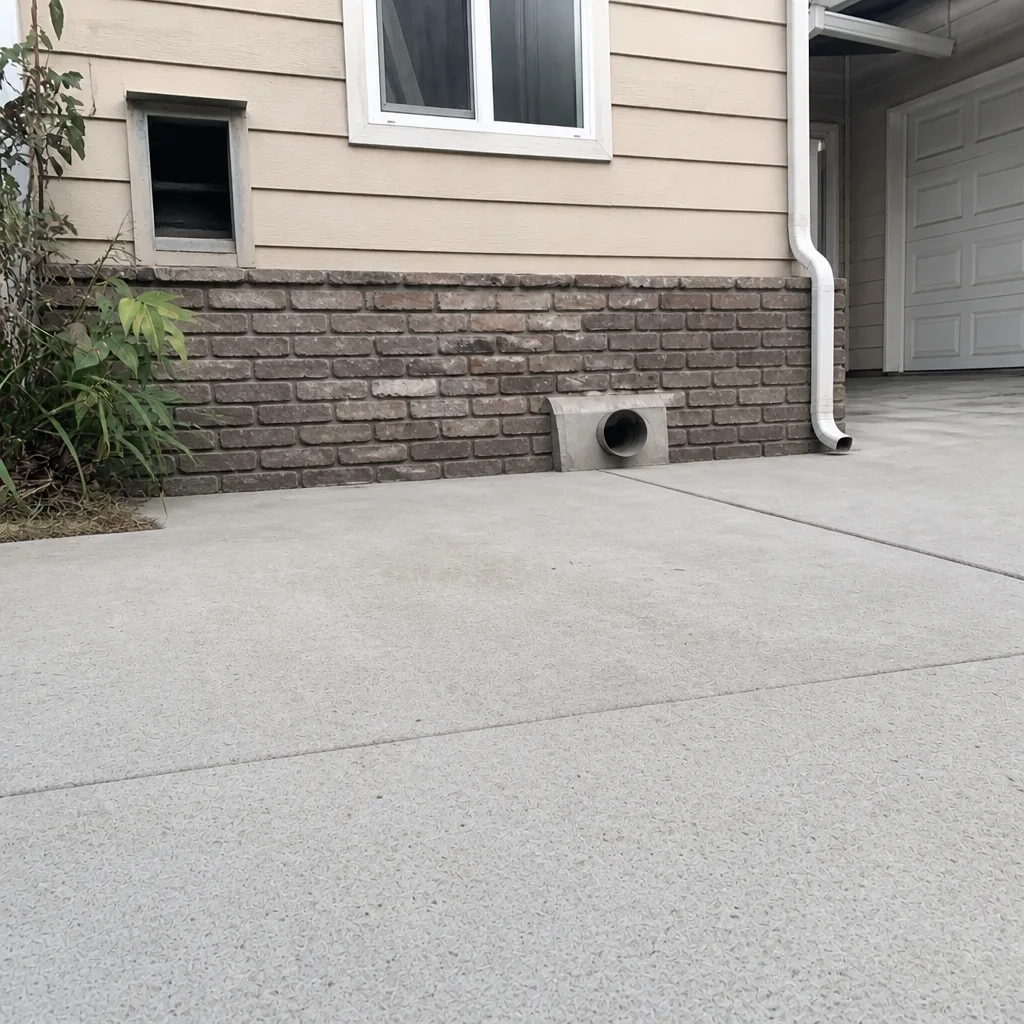
Step 6: Does your dryer vent look lint-packed at the outside flap? If so, add dryer vent cleaning to your short list. A clogged dryer vent is a fire-safety issue and a separate concern from air quality in the ducts themselves.
If steps 2 through 6 all answer “no” and the system was cleaned or assessed within a reasonable window, DIY register cleaning and filter replacement is plenty. If any of them answer “yes,” you’re looking at a whole-system job.
What Whole-System Cleaning Costs and Why It Makes Sense
We don’t quote prices on this page because whole-system cleaning is priced per job by a written estimate, and that’s the honest way to do it. Two houses on the same Floral Park block can have very different duct layouts, duct condition, and contamination loads. What we can explain is what you’re paying for and why an honest whole-system estimate is structured the way it is.
The professional equipment and process we described is only provided by trained technicians, and it’s the reason the cost of a proper system cleaning is a distinct thing from the cost of a rental kit. You’re not paying for the brush. You’re paying for:
- The negative pressure and airflow that only specified equipment can generate for the full job.
- Agitation along the whole air pathway, not just the visible feet of ductwork.
- Blower and component cleaning that a register-only job misses.
- Repair and sealing so cleaning doesn’t undo itself, and the ability to identify and fix HVAC cleaning needs at the same visit.
- Sanitizing where contamination is biological rather than just dust.
Our technicians have up to 11 years of experience with systems like yours, and we use professional-grade equipment, not a shop vac with a hose. When you call, you get a written estimate before any work begins, and before-and-after photos of your own ducts so you can see exactly what the job did. If a cheaper quote surprises you, ask what’s actually included, because the cheaper path is usually the one that skips agitation or extraction on the returns. Call (833) 966-4423 for a free estimate on your Floral Park home.
Safety: When to Leave It Alone
Most of the ductwork itself isn’t dangerous to touch. But a few parts of a residential system are, and the honest expert answer is to stay out of those zones. Do not open an electrical panel or blower compartment to inspect wiring or clean circuitry. Blower motors run on line voltage, capacitors hold a charge, and a homeowner without electrical training can be seriously hurt. Also do not try to clean inside the gas heat exchanger or any gas component. Those need a trained professional, and that’s true in every home, not just in Floral Park.
If you see signs of mold growth in the ductwork, don’t disturb it. Aggitating mold without proper containment spreads spores through the house, and cleaning it without addressing the underlying moisture problem just delays the return. Similarly, any pest activity, especially rodent droppings, needs professional handling with breathing protection and proper sanitizing, not a household vacuum.
The rule of thumb is simple: mechanical access, visible dust on registers, and filter changes are fair homeowner territory. Anything that touches wiring, gas, mold, or pest contamination isn’t. When in doubt, stop and get it assessed. Call (833) 966-4423 to describe what you’re seeing and get an honest answer about whether it’s a DIY cleanup or a professional job. We answer 24/7. Fast dispatch from 7am to 7pm, Sunday through Friday.
Common Mistakes to Avoid
- Assuming a bigger shop vac solves the pressure problem. A larger motor doesn’t produce more static pressure handling. Once the hose is on a real duct run, any consumer vacuum loses the airflow it needs to carry dislodged dust to a collection point.
- Cleaning the supply side only. The returns carry the heaviest contamination because everything entering the system passes through them first. Cleaning only what you see at supply registers leaves the dirtiest half untouched.
- Agitating contamination without extraction. Dragging a brush through a duct with nothing capturing the debris sends it into the living space and the blower compartment. That’s a worse indoor air situation than where you started.
- Training a household vacuum into a moldy duct. Household vacuums don’t have enough filtration for mold spores and typically just redistribute them. This is a professional, contained job.
- Skipping the repair and sealing step. Leaky or disconnected duct joints recontaminate a cleaned system almost immediately. Cleaning without sealing is a job that comes undone.
- Ignoring the dryer vent in the same visit. Dryer vents pack with lint, restrict airflow, and present a fire-safety concern. If you’re scheduling a whole-system assessment, add the dryer vent. A Fire Administration-style safety concern isn’t one to put off.
- Choosing a quote because it’s the lowest on the list. If a quote is dramatically cheaper than the others, ask exactly which parts of the process from the numbered list above are included. The gap is usually in returns, agitation, or the component cleaning.
See the difference
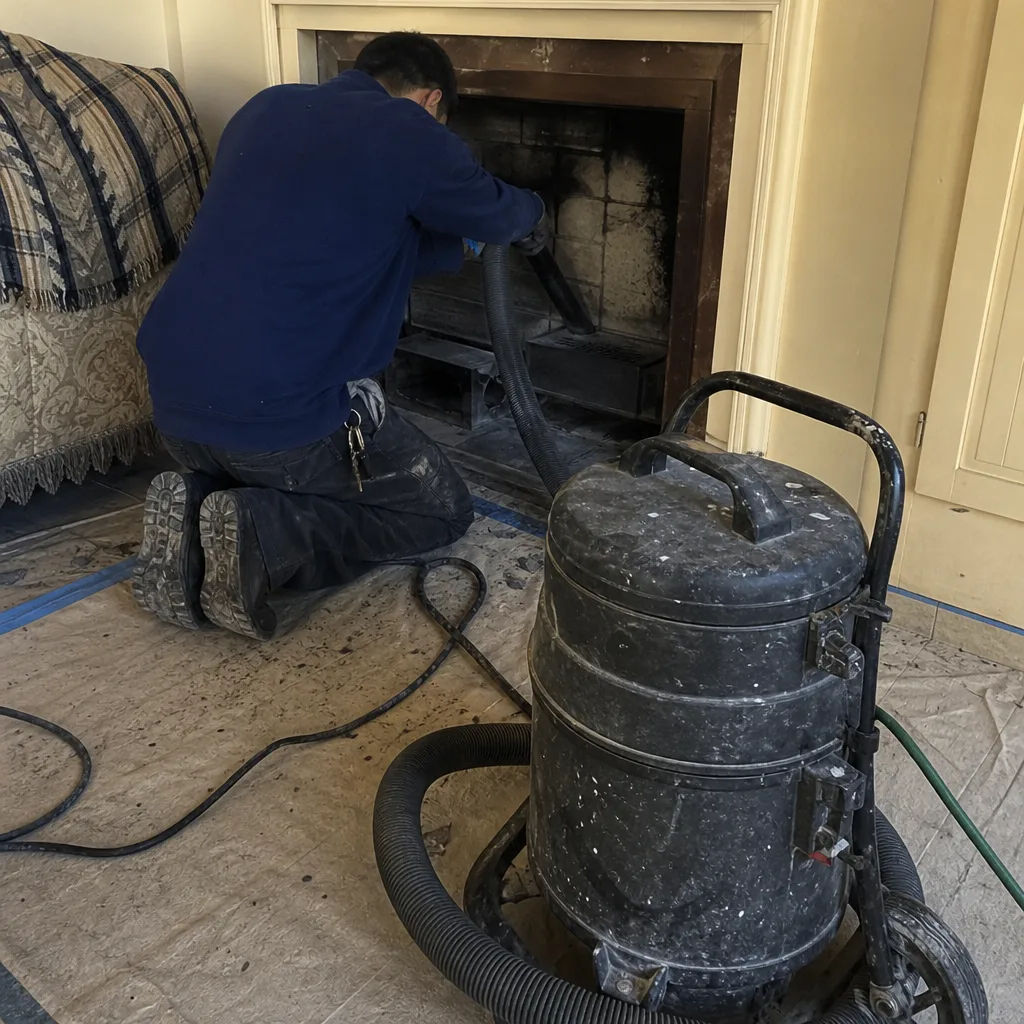 Before
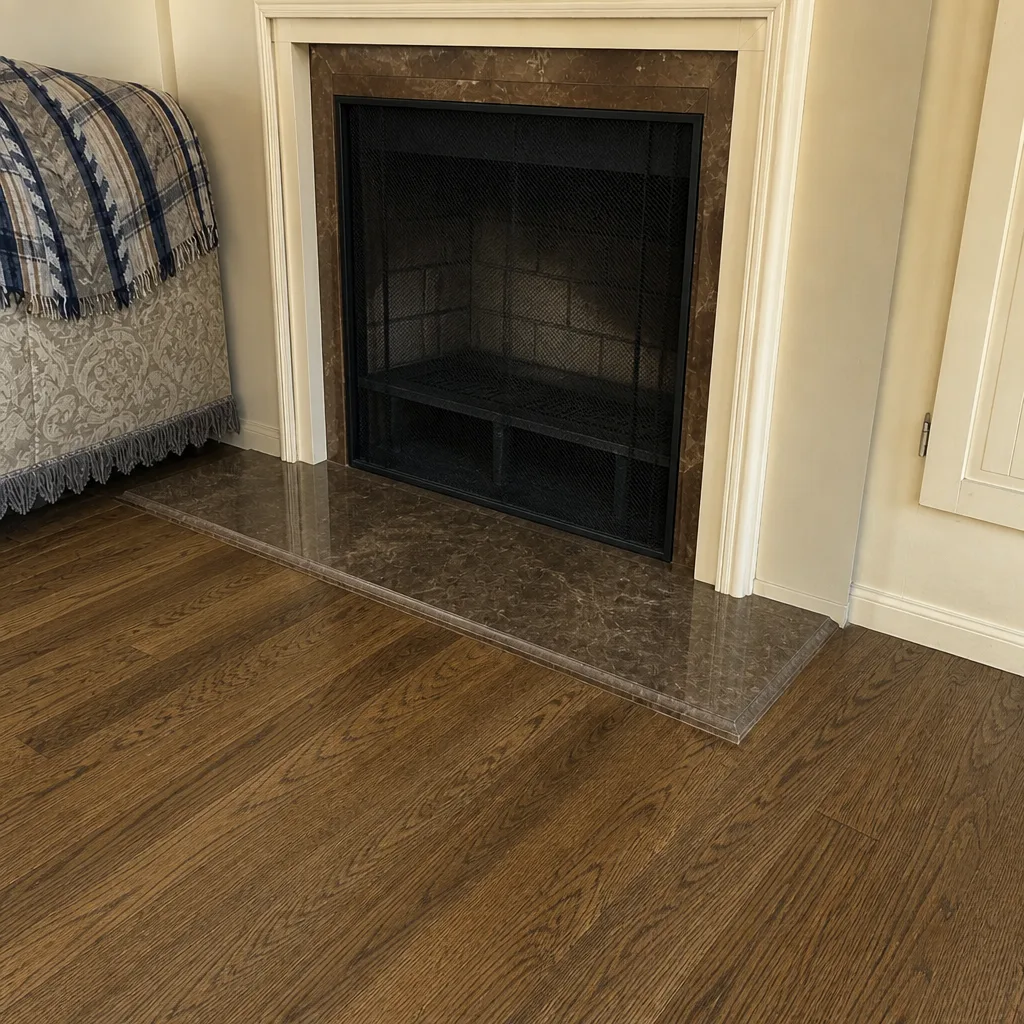 After
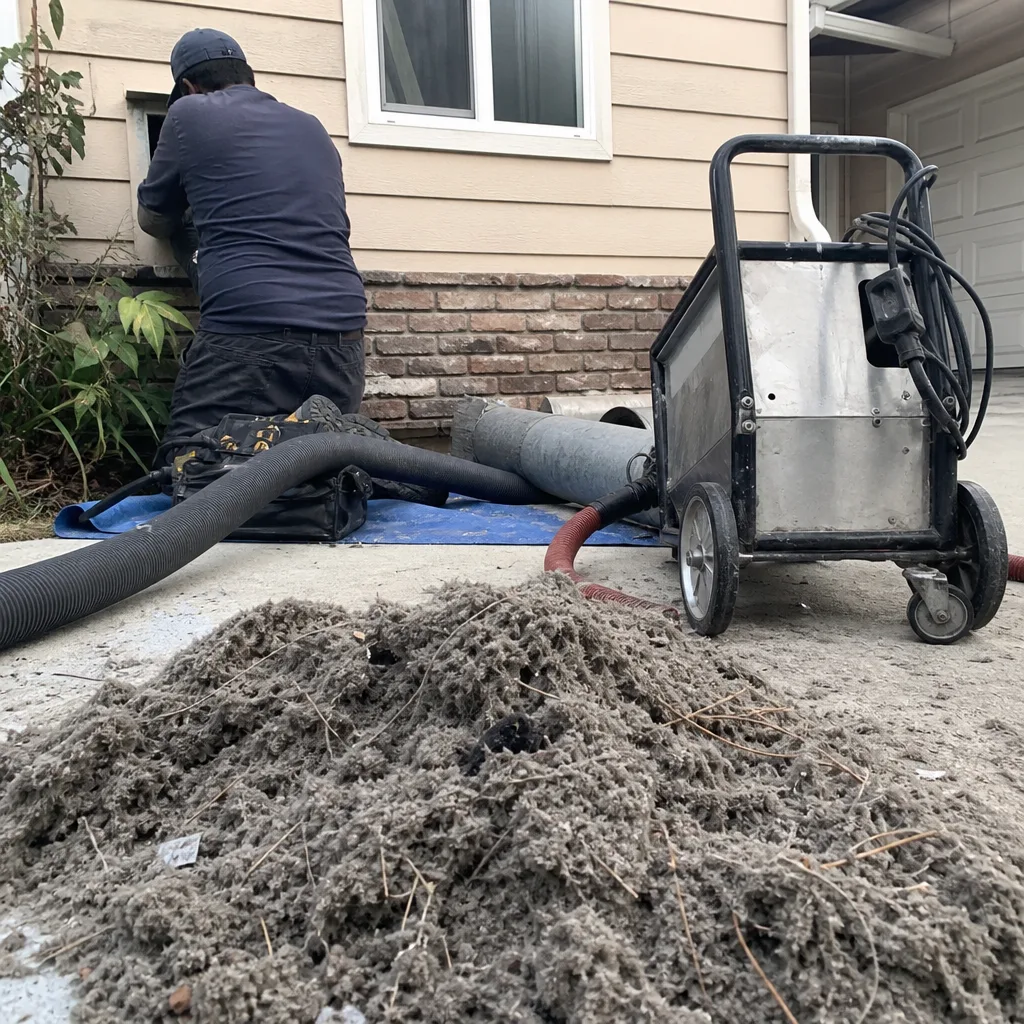 Before
 After
 Before
 After
When to Call a Professional
Call a professional if you can see debris inside the ductwork past the register boot, if anyone in the house has new respiratory symptoms, if you have pets or have completed a renovation within the past year, if you suspect rodent or pest activity in the system, or if any ductwork is damaged, sagging, or disconnected. Also call if it’s simply been a long time since the system was last inspected and you don’t know its condition. That last one is the most common reason we hear in Floral Park, and it’s a fair reason to get an assessment. Floral Park Air Duct Cleaning offers free estimates in Floral Park. Call (833) 966-4423. We answer 24/7. Fast dispatch from 7am to 7pm, Sunday through Friday.
Frequently Asked Questions
You can clean the last few feet of ductwork visible at each register with a shop vac, but you can’t perform source-removal cleaning on the full system. A shop vac doesn’t generate the negative pressure needed to carry dislodged contamination from the trunk lines and returns to a collection point. You’ll move visible dust and leave most of the system untouched. Call (833) 966-4423 for an honest assessment.
The clearest signs are visible debris inside the duct past the register boot, a recent renovation, pets in the home, unexplained allergy symptoms, or ductwork that’s visibly damaged. If none of those apply and the system was cleaned within the past few years, register cleaning and filter changes may be enough for now. When in doubt, an inspection tells you more than any DIY attempt will. Call (833) 966-4423 for a free estimate.
The differences usually come down to what’s included in the process: whether the returns are cleaned as thoroughly as the supplies, whether the blower and cabinet are part of the job, whether agitation and extraction happen together, and whether repair and sealing are included. A very low price almost always means some of those steps are missing. Ask what’s included before deciding. Call (833) 966-4423 to talk through what a whole-system job actually involves.
Duct cleaning removes settled contamination from the air pathway, which reduces what the system can circulate. Whether that translates into fewer symptoms depends on the source of the symptoms, since dust, pollen, mold, and pet dander all behave differently. For homes where the system is the source, cleaning helps. For homes where the source is elsewhere, cleaning helps by removing one contributing factor. Call (833) 966-4423 to get a specific answer for your home.
If your ductwork has visible leaks, disconnected joints, or deteriorated flex runs, cleaning without repair is a short-term fix that recontaminates quickly. Sealing after cleaning keeps what we removed out. In most Floral Park homes, the two go together when damage is present, and it’s worth checking. Call (833) 966-4423 to have the ductwork assessed in one visit.
That’s a reasonable approach if your system shows no signs of heavy contamination, no pets or recent renovation, and no symptoms in the household. The one thing to avoid is agitating contamination without extraction in the returns, since that makes indoor air worse in the short term. If you’re not sure which category you’re in, an assessment is free. Call (833) 966-4423. We answer 24/7. Fast dispatch from 7am to 7pm, Sunday through Friday.
The Bottom Line
The DIY versus professional question comes down to equipment capability. Consumer vacuums can’t hold the pressure needed to perform source removal, so most DIY cleaning moves a fraction of the contamination and can make indoor air worse by agitating it. What you can do yourself: register cleaning, filter replacement, and visual inspection. What needs professional equipment: full-system agitation, extraction, blower cleaning, repair and sealing, and sanitizing where warranted. Floral Park homeowners with pets, recent renovations, visible debris, or unexplained symptoms should schedule an assessment rather than experiment. Call (833) 966-4423 for a free estimate. We answer 24/7. Fast dispatch from 7am to 7pm, Sunday through Friday.
Written by the team at Floral Park Air Duct Cleaning.